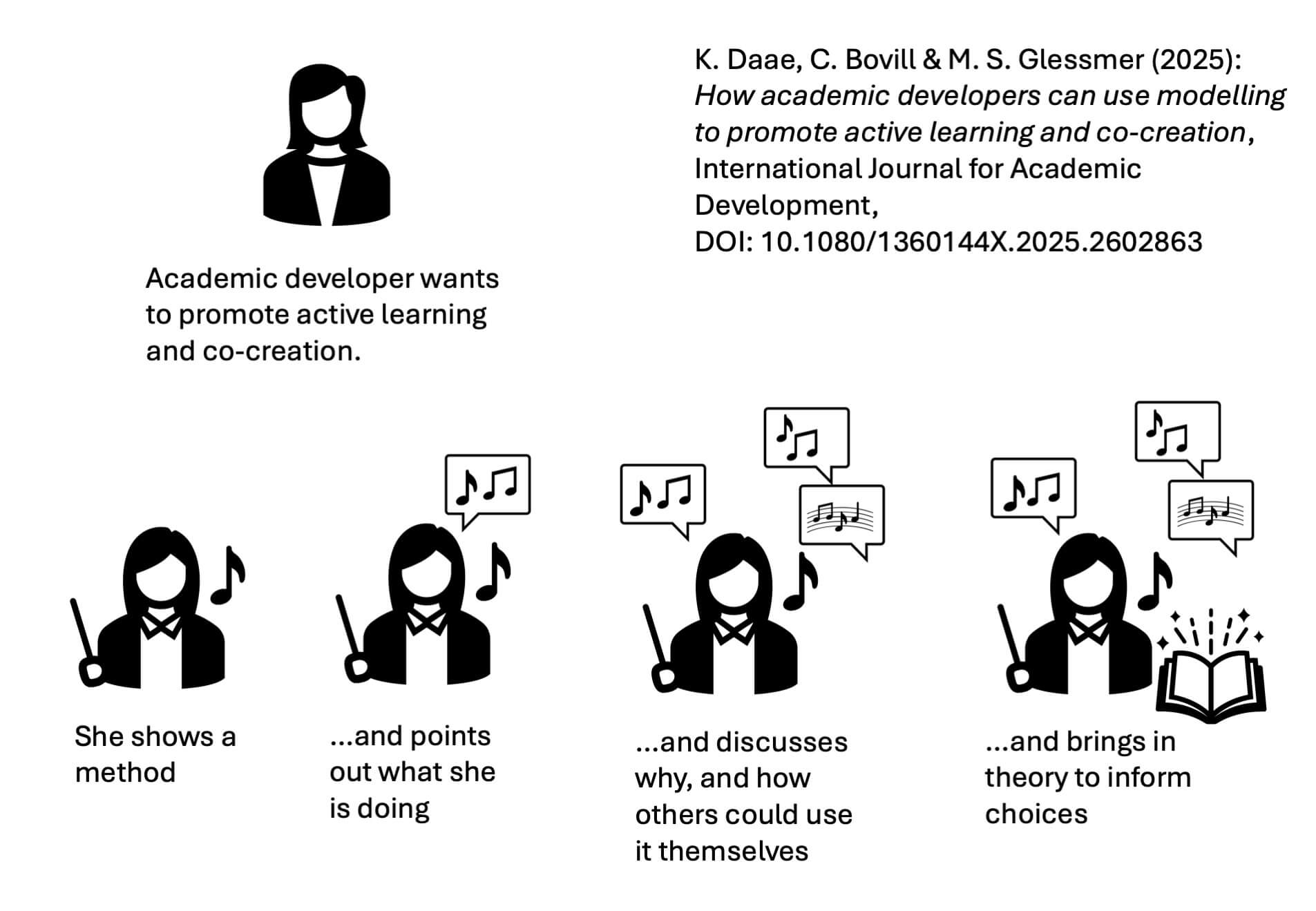
There are tons of different formats for regular academic development events with the goal to foster and enhance discussions of teaching and learning, each with their own theory of change and responding to different boundary conditions. In this paper, we compare three that were run within the iEarth project.

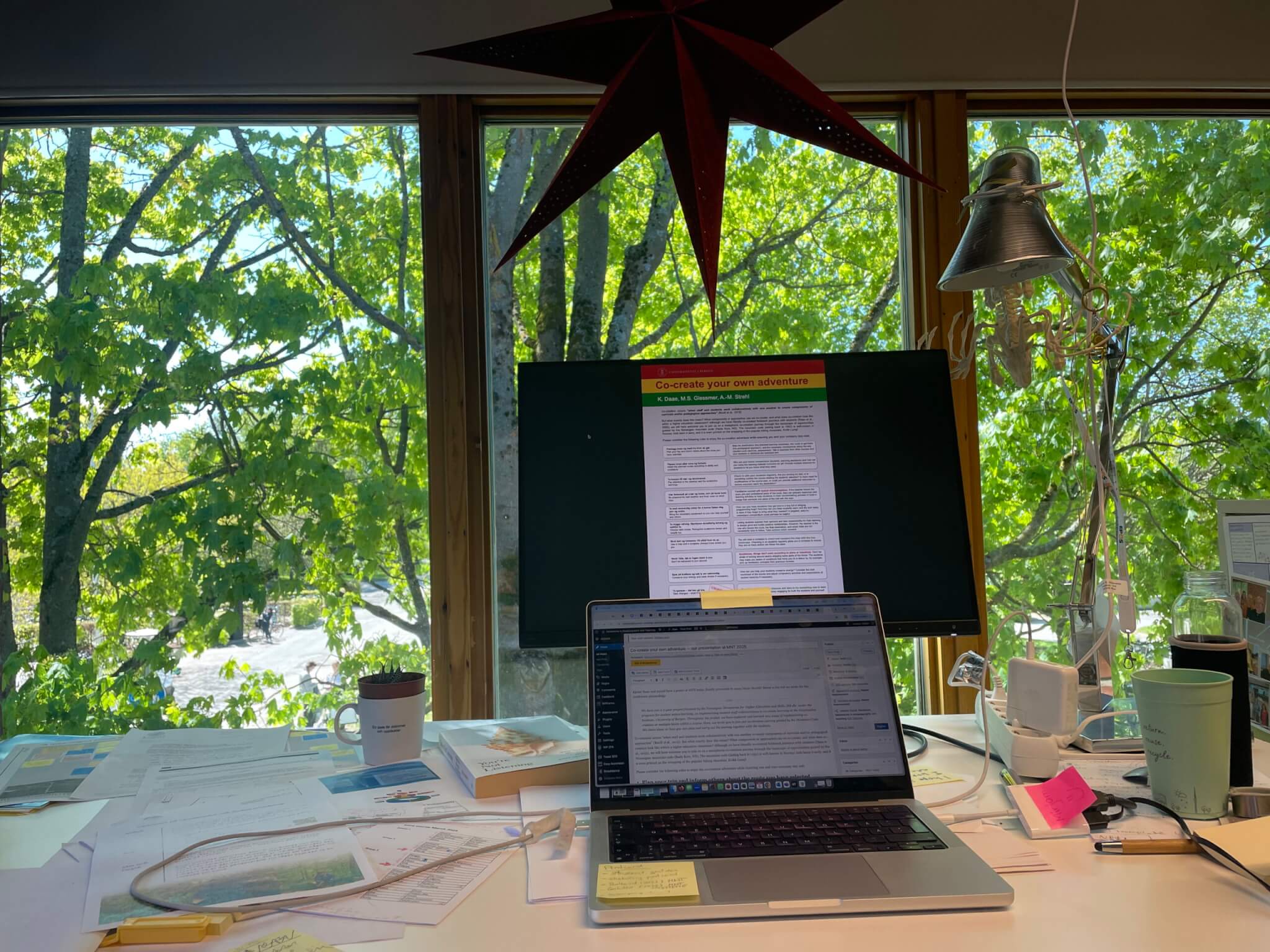
Published on the 23rd of December! Check it out here! K. Daae, C. Bovill & M. S. Glessmer (23 Dec 2025): How academic developers can use modelling to promote active learning and co-creation, International Journal for Academic Development, DOI: 10.1080/1360144X.2025.2602863

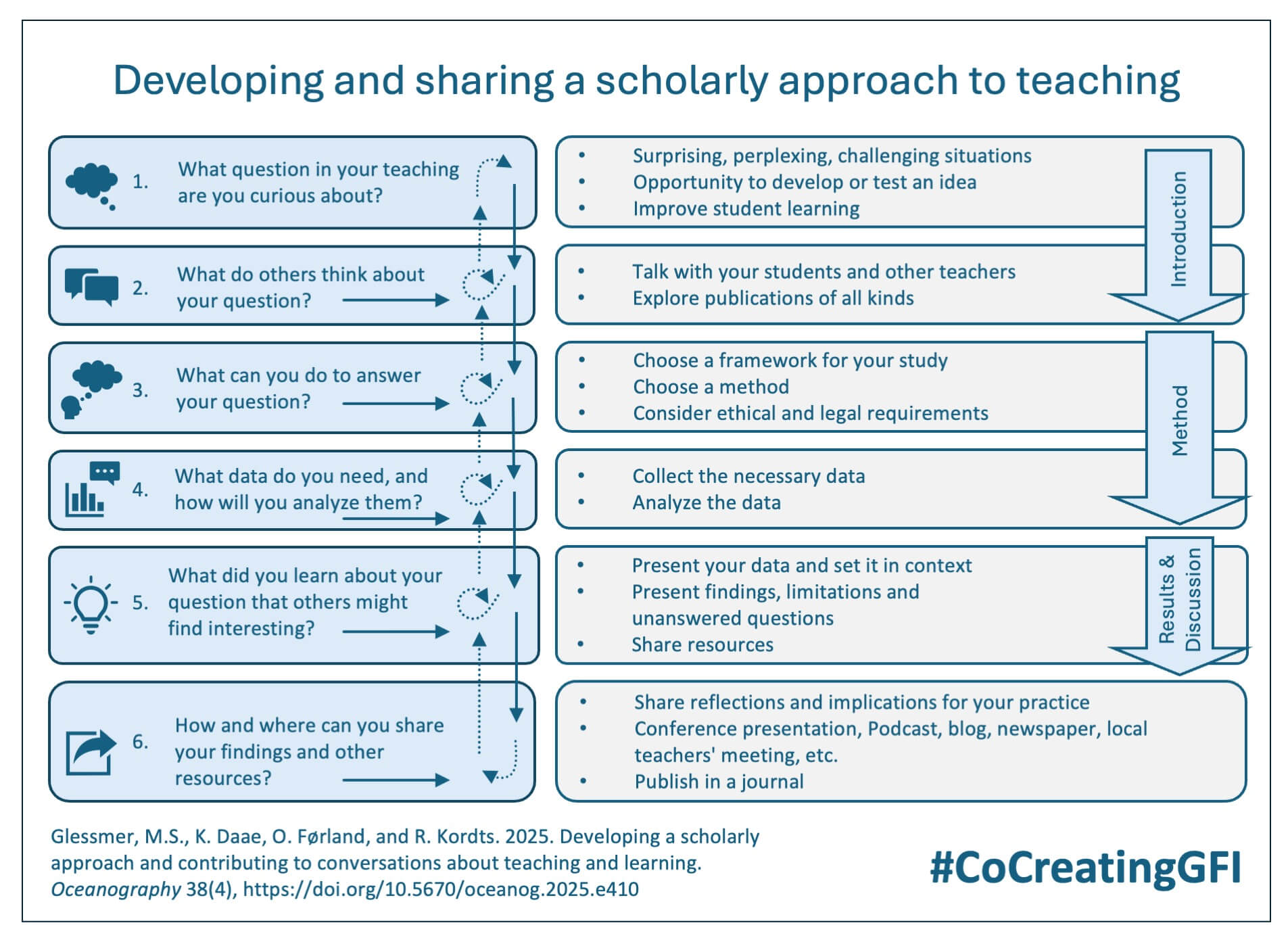
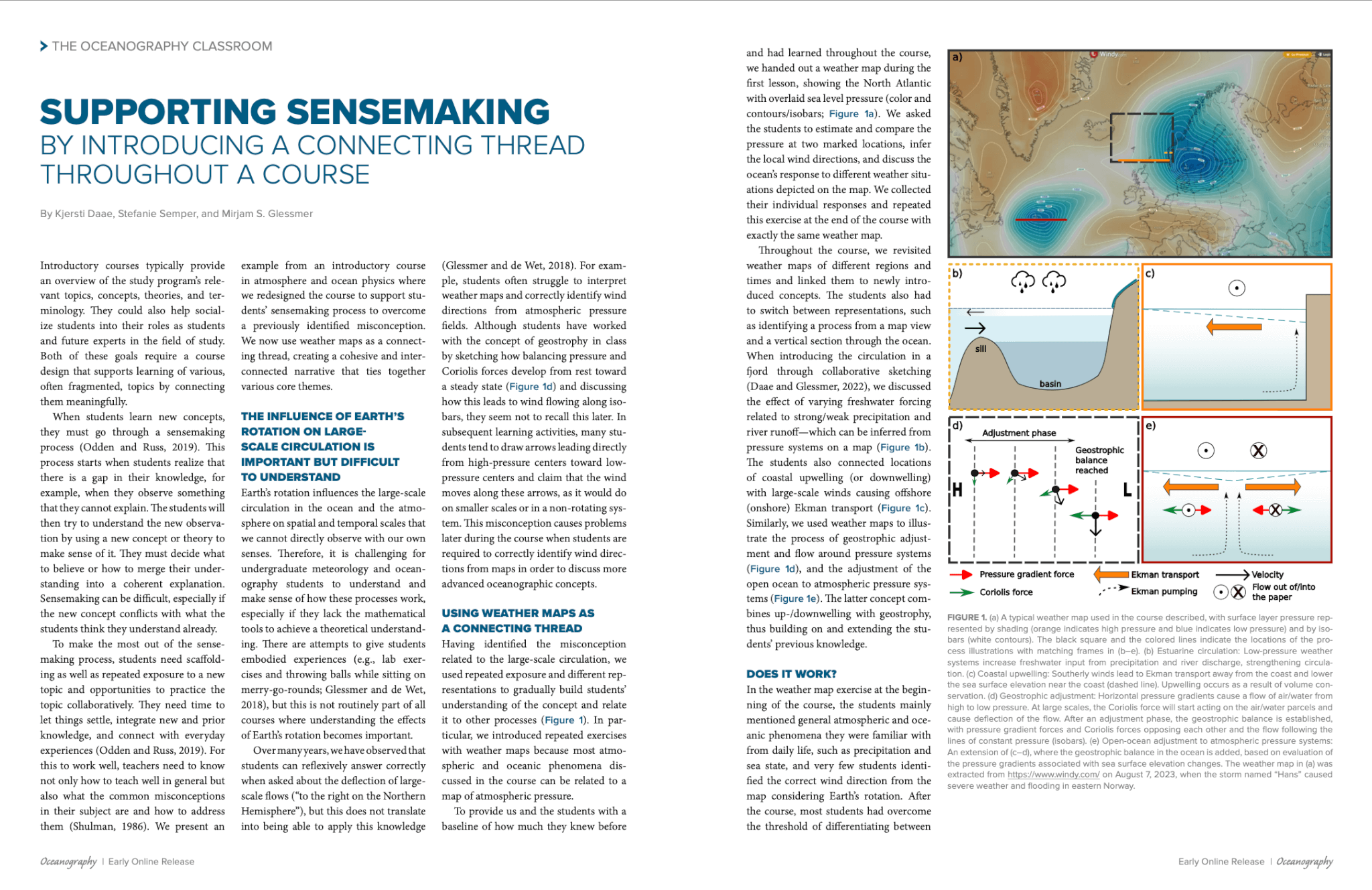
Ok, “How to SoTL” is only the working title of the paper and the name of the Teams group in which we all collaborated, the actual title ended up being “Developing a scholarly approach and contributing to conversations about teaching and learning“. But: that paper was just published last night in Oceanography!

Together with my colleagues Steven Curtis and Terese Thoni, I ran a workshop at the Lund University Teaching and Learning conference 2024 — and now the proceedings have been published!

Rachel Forsyth and I are in the process of doing focus group interviews with students and teachers at Lund University on how their relationships to each other are influenced by the availability of GenAI. We are going to present a glimpse into the analysis of what teachers said in the first five interviews at LTH’s […]

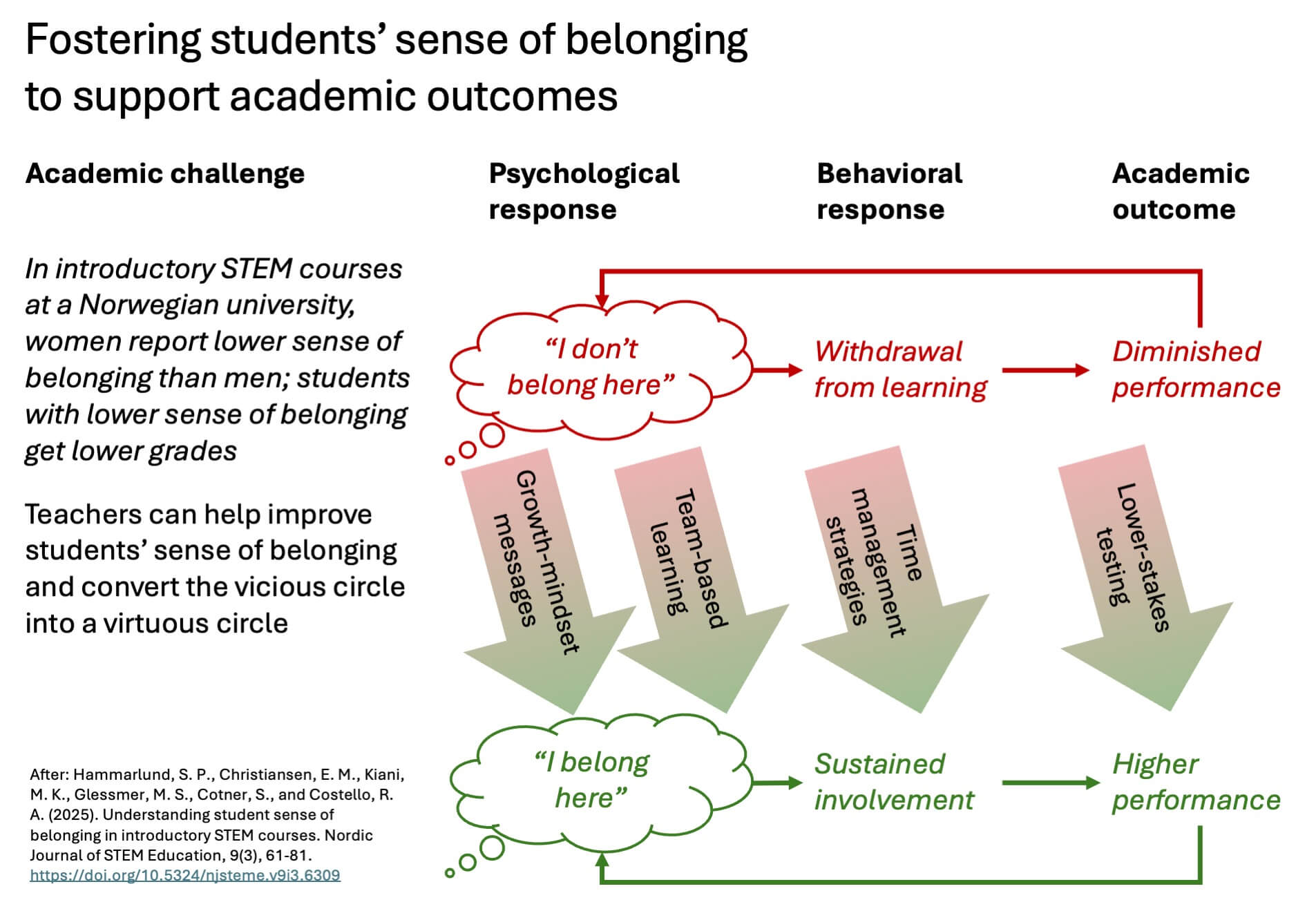
In this article, we investigate sense of belonging of students in STEM courses at the University of Bergen, Norway. We find — as expected from studies in mostly a US context, but for the first time investigated in a Scandinavian culture with generally high gender equality — that women report significantly lower sense of belonging […]

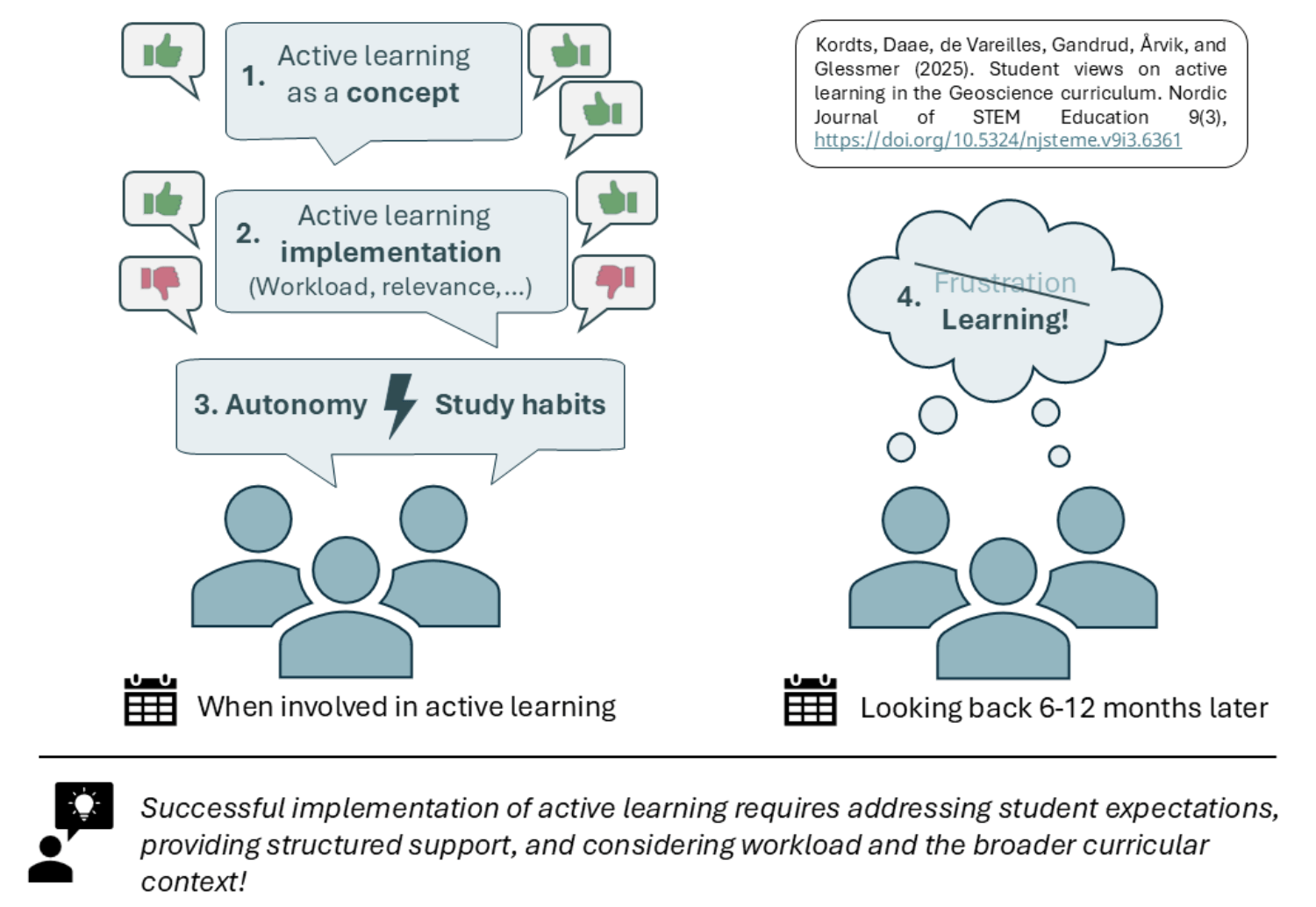
In this article, we investigate students’ experiences with active learning at the Geophysical Institute at the University of Bergen, Norway (where we have put a lot of effort recently into introducing co-creation).

Sometimes, it is really difficult to navigate cultural expectations around teaching for sustainability. My colleague Léa and I just published a “perspectives” article about an experience in Léa’s teaching that we reflected on together.

Feels like a very long time ago, but Kjersti, Hans-Christian and myself contributed two vignettes to the book “Teaching fieldwork in geography, earth and environmental sciences“, which has now become available!

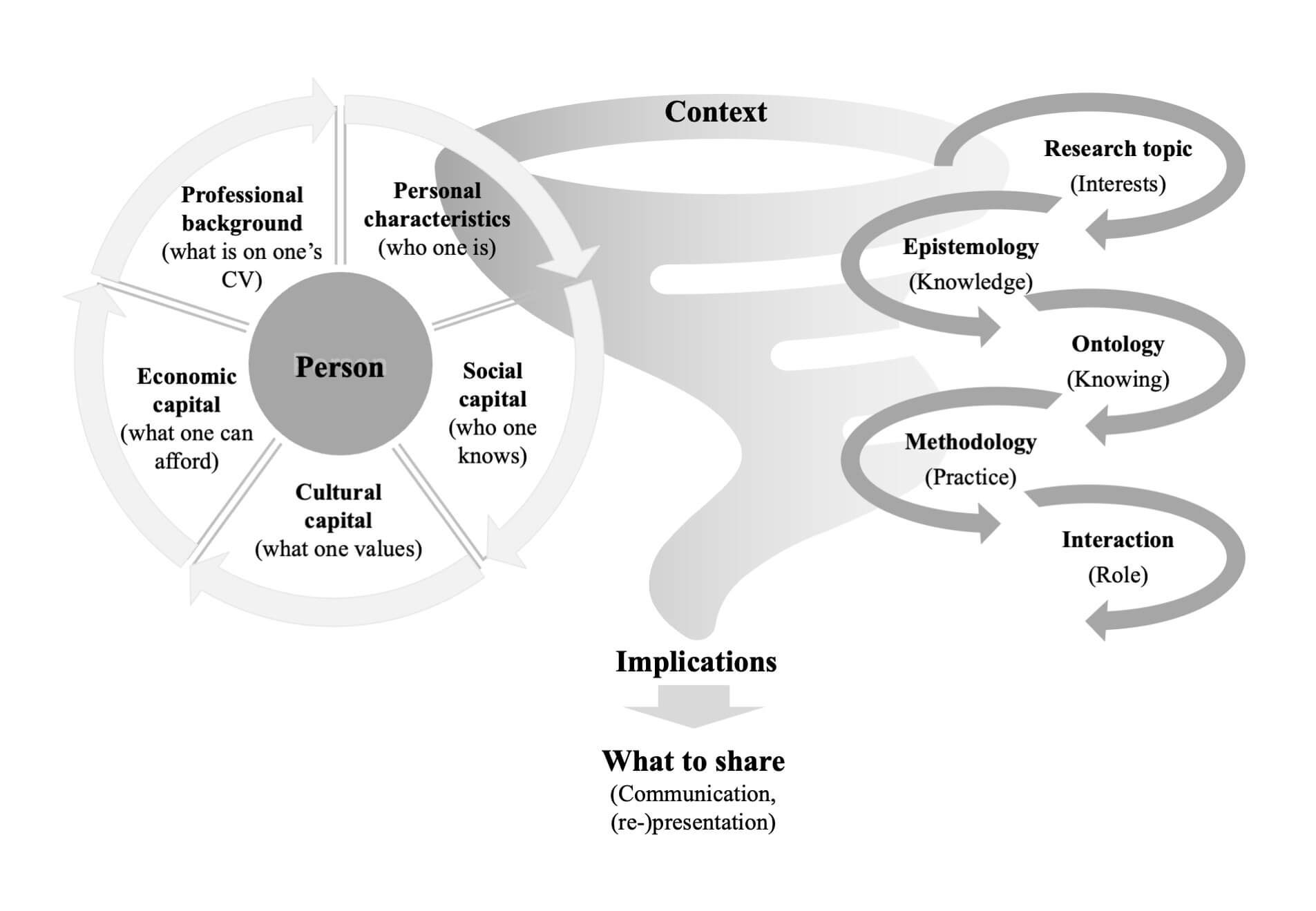
Sharing is not always caring! And especially expecting others to share things about themselves that they might not be ready to share. The editorial “Positionality statements in engineering education: A European perspective” by Kirsty and myself that is now published (contact me for a pdf if you don’t have access!) has been in the works […]

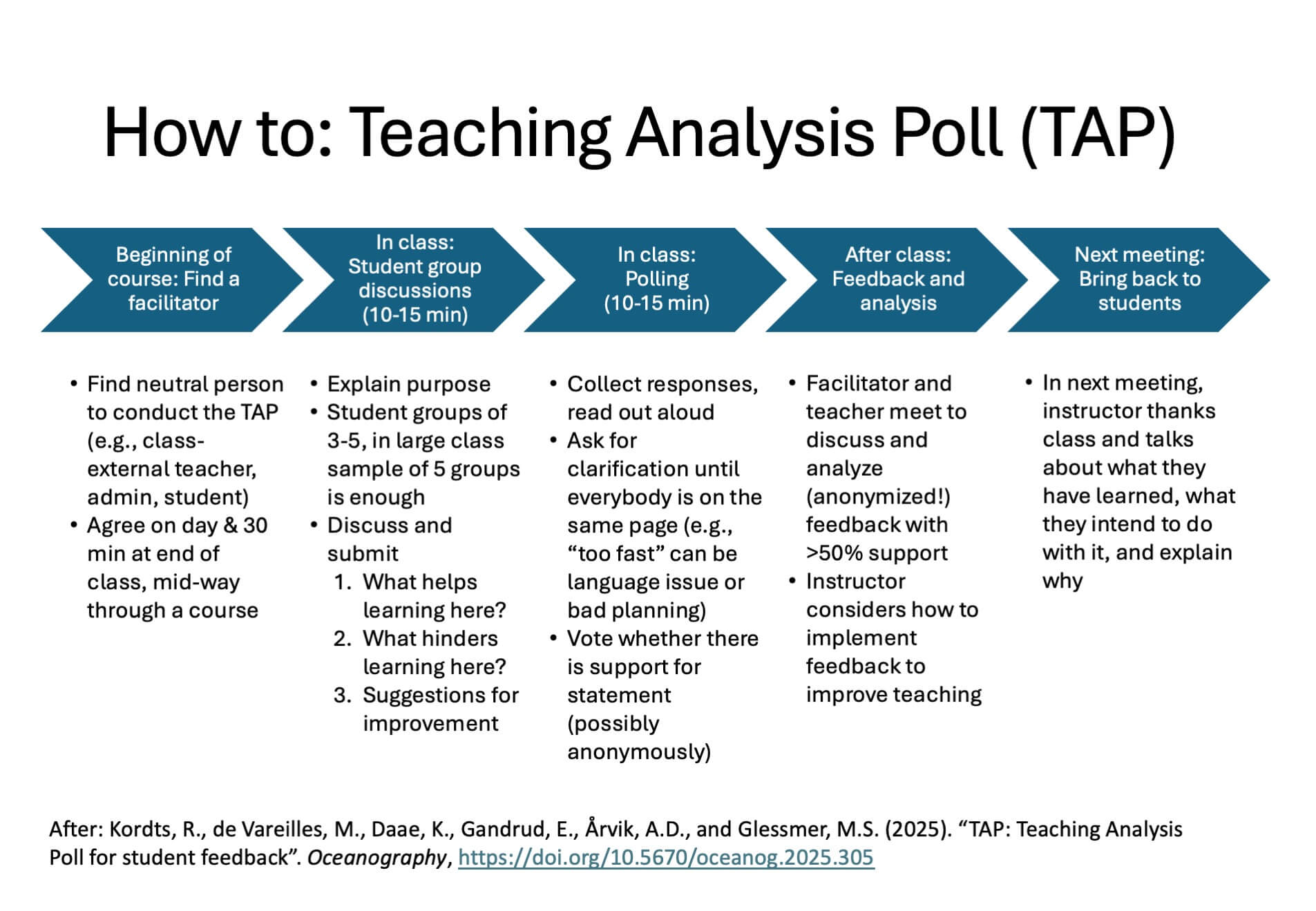
“Teaching Analysis Polls” are a very useful method to get formative, constructive feedback from a whole class. An external facilitator comes in and structures an approximately 30 minute long discussion without the instructor, who is later informed about the points that the students agreed on were most relevant to convey. In Kordts et al. (2025) […]

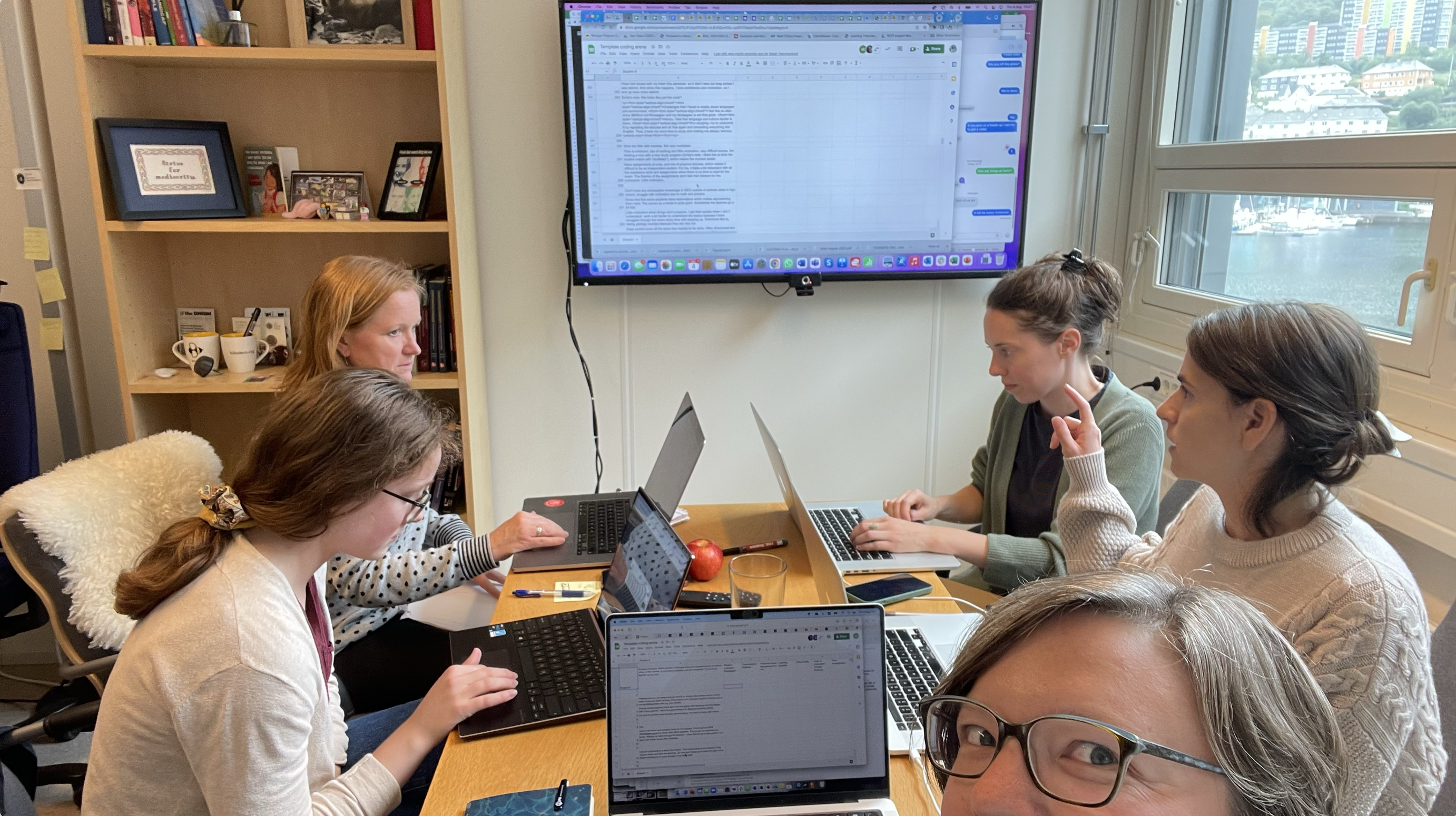
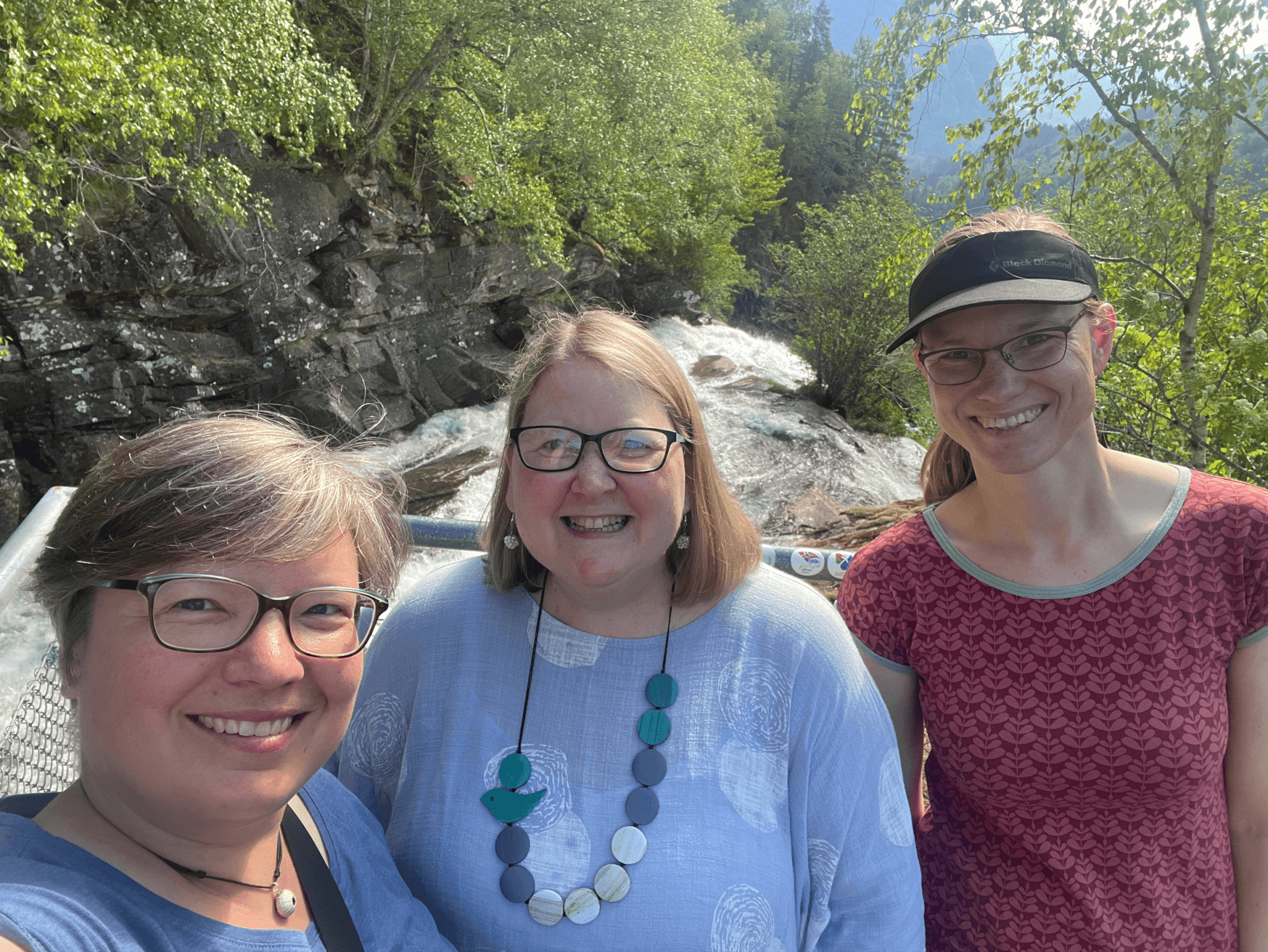
Back in 2022, I worked on a really cool study on belonging and test anxiety together with the awesome colleagues you see in the featured image: aside from me taking the selfie, from left to right there are Emily Christiansen, Sehoya Cotner, Sarah Hammarlund, and Robin Costello working on coding responses (missing only Kate Kiani […]

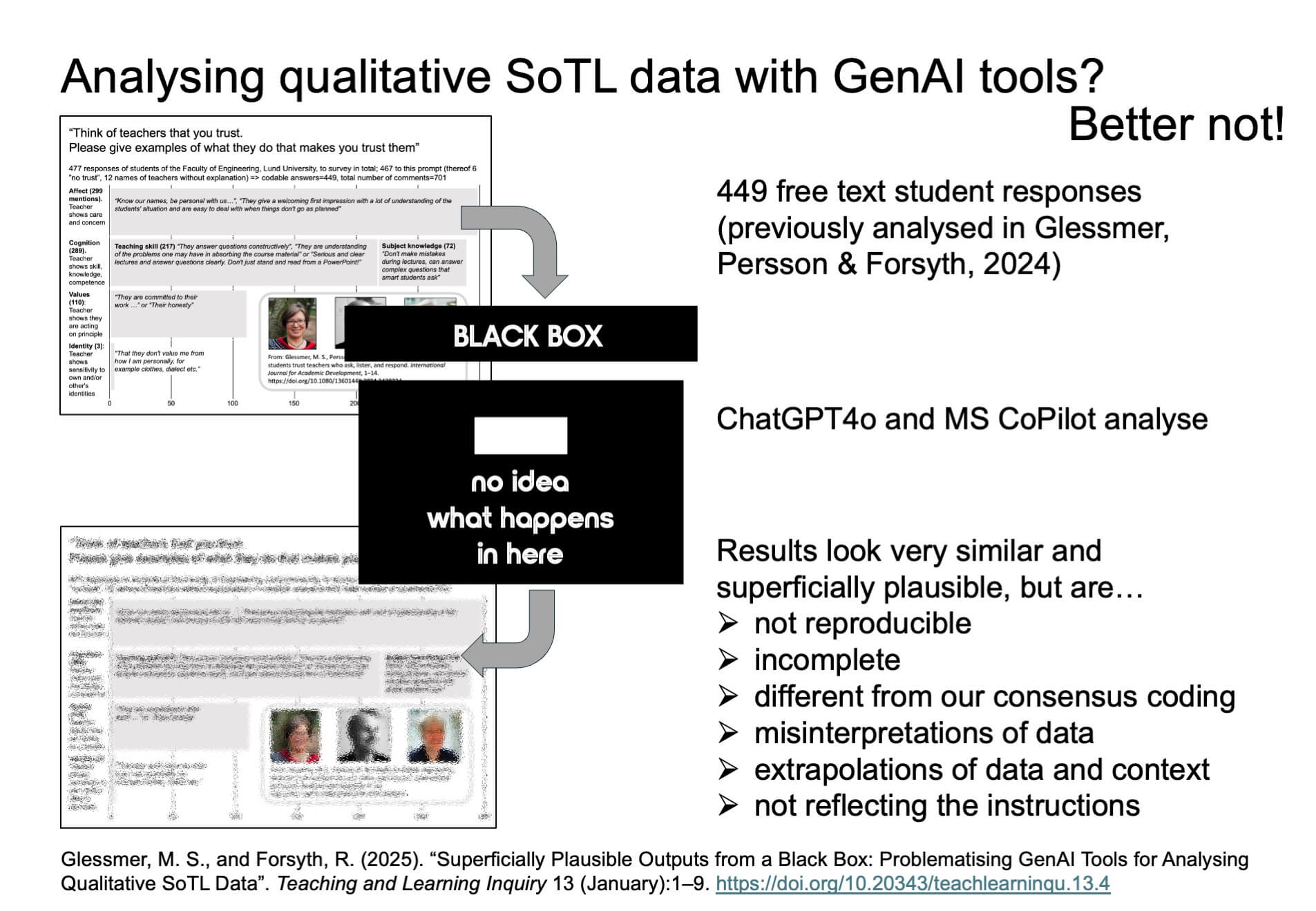
We had spent the last month reading, coding, discussing, re-coding, discussing some more, re-coding, discussing even more, and then consensus coding free-text answers of 449 students, and submitted the manuscript. “Just for fun, let’s plug it all into ChatGPT!” Rachel said. And so we did. And after 4 seconds, out came an analysis that looked […]

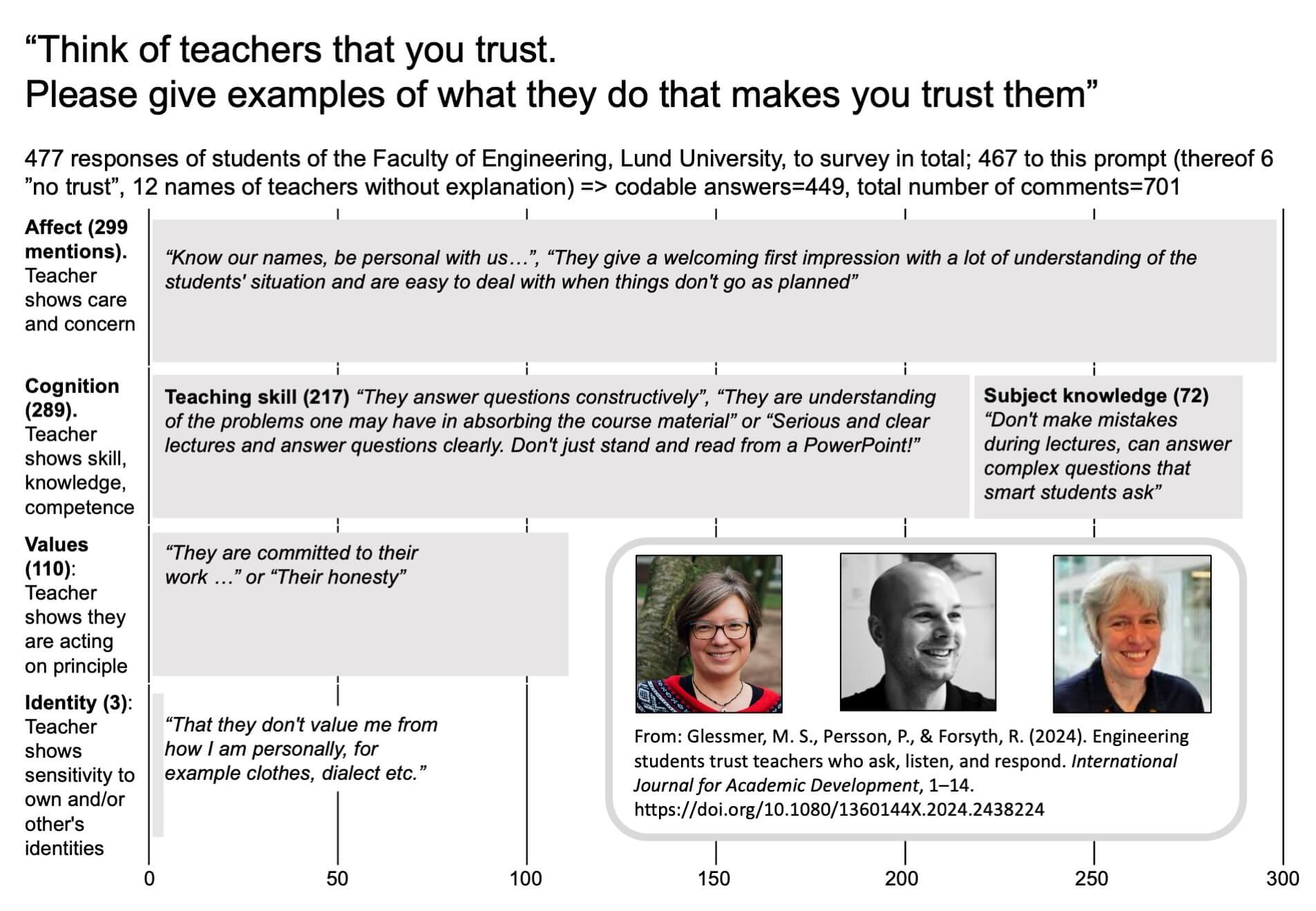
This article was probably the easiest and most fun to write in my whole career so far! Trust between students and teachers is a really engaging topic, so when Rachel first interviewed Peter and myself, we jumped on the opportunity to continue discussing it with her, and then also with students, who we started to […]

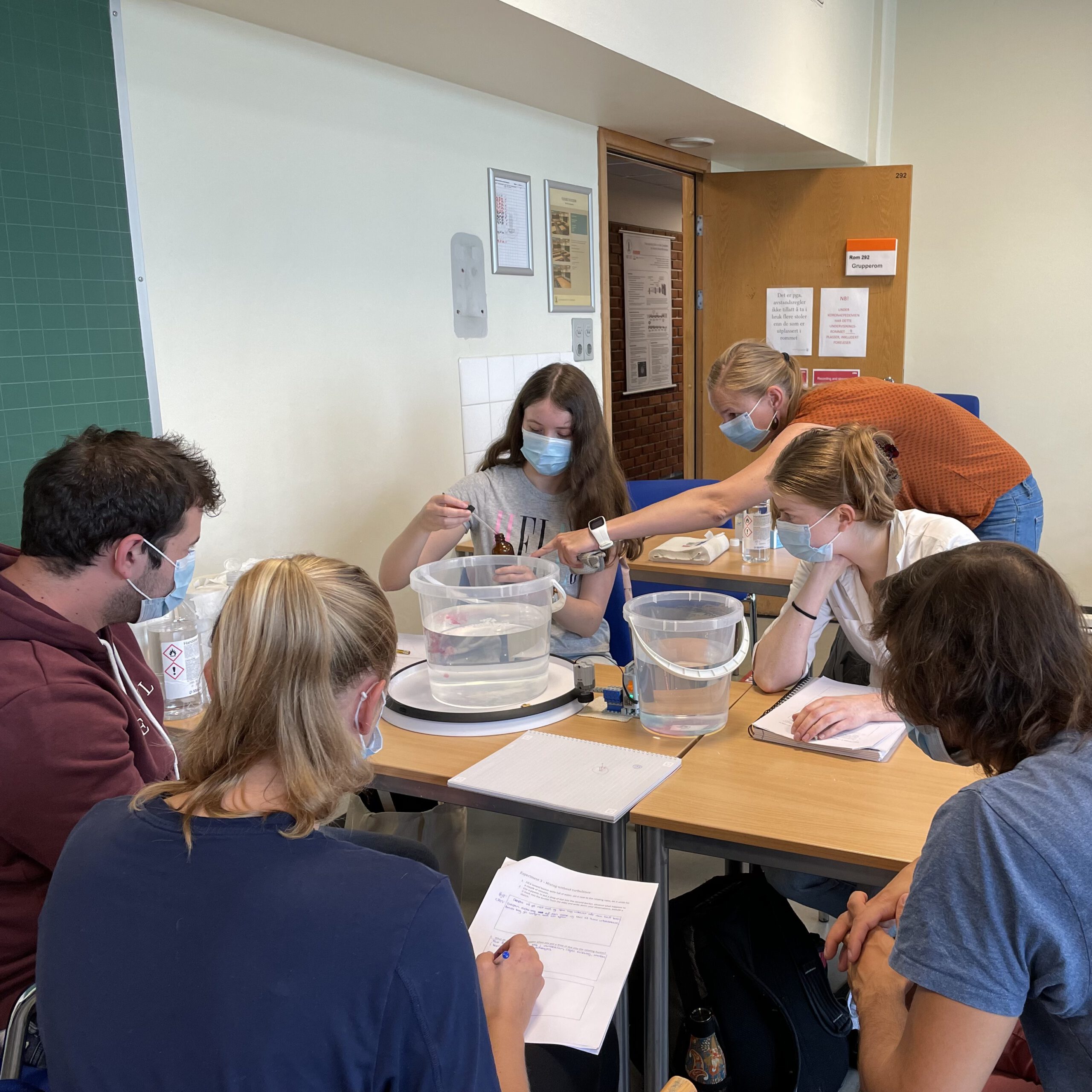
Rotating fluid dynamics are super cool on the one hand (just look at my collection of DIYnamics rotating experiments, or our time on the 13m-diameter-tank-on-a-merry-go-round in Grenoble), but also super difficult to teach. I’ve tried different things with Pierre (with a super easy introduction to rotation in labs that we taught) and Kjersti and Elin […]

New article published! “Adapting a Teaching Method to Fit Purpose and Context” (Glessmer, Bovill & Daae; 2024), based on this blogpost, but a little more thought through and polished with Cathy and Kjersti in beautiful Voss! Check it out here, and enjoy!

I am currently doing this super interesting research project on trust with my colleagues Peter Persson and Rachel Forsyth. Rachel and colleagues developed a model for “trust moves” that teachers employ, but are those moves actually effective in building trust? What makes students trust their teachers? That’s what we investigate in a pilot study that we’ll […]

I have been part of running a course called “the inclusive classroom” this fall. I learned a lot of new things both from other instructors (for example Louise’s excellent “office” metaphor for brain functions) and from participants (for example Damien & Rhiannon’s “design for the edges” below, a very inspiring read!). And now at the […]

A project near and dear to my heart is using the DIYnamics rotating tank experiments in across-course collaborations. “Older” students, who did experiments the previous year, are trained to then act as guides to “younger” students when they do experiments for the first time, thus lowering the threshold of engaging with equipment, acting as role […]

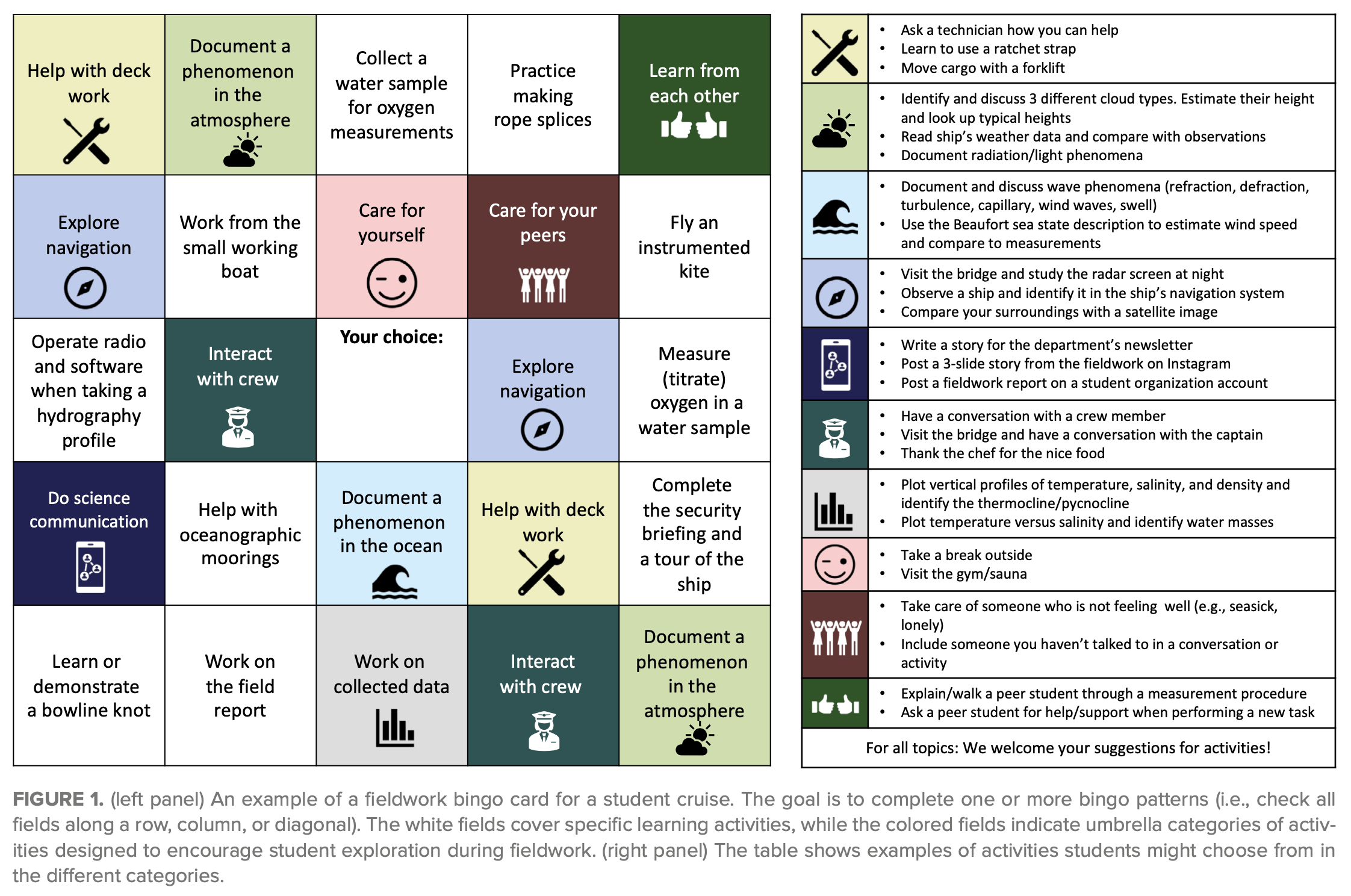
Kjersti and I, together with Linda and Francesco, just published an article in Oceanography on the fieldwork bingo we developed for the student cruises earlier this year (and that came quite a long way from our first version as a postcard!). I am currently very much on the bingo-as-a-tool-to-nudge-people-to-do-stuff trip (see also my “Universal Design […]

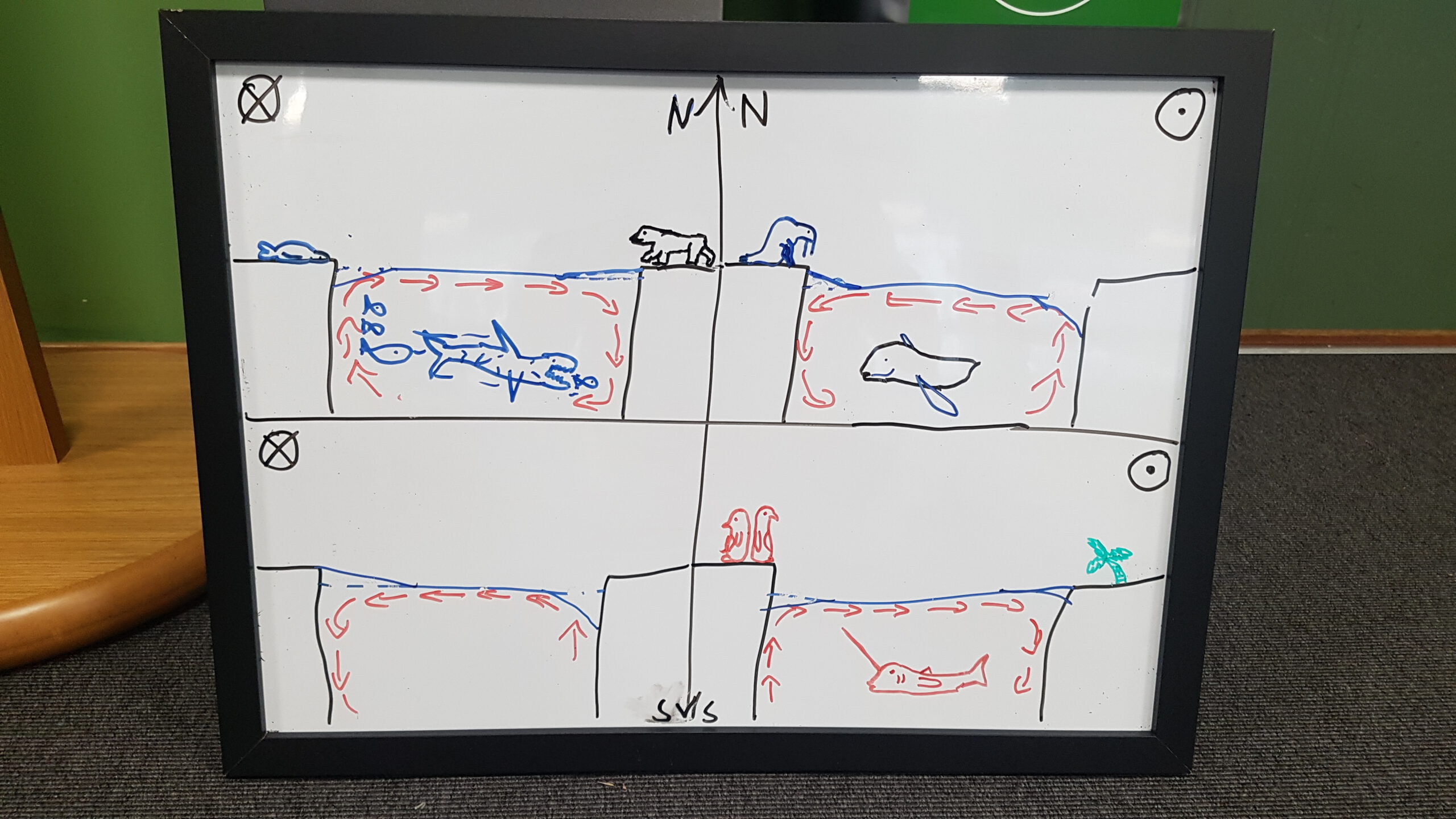
What a lovely Birthday gift (and seriously impressively quick turn-around times at TOS Oceanography!): Kjersti‘s & my article “Collaborative Sketching to Support Sensemaking: If You Can Sketch It, You Can Explain It” (Daae & Glessmer, 2022) has just come out today! In it, we describe Kjersti’s experiences with using portable whiteboards that students use to collaboratively […]

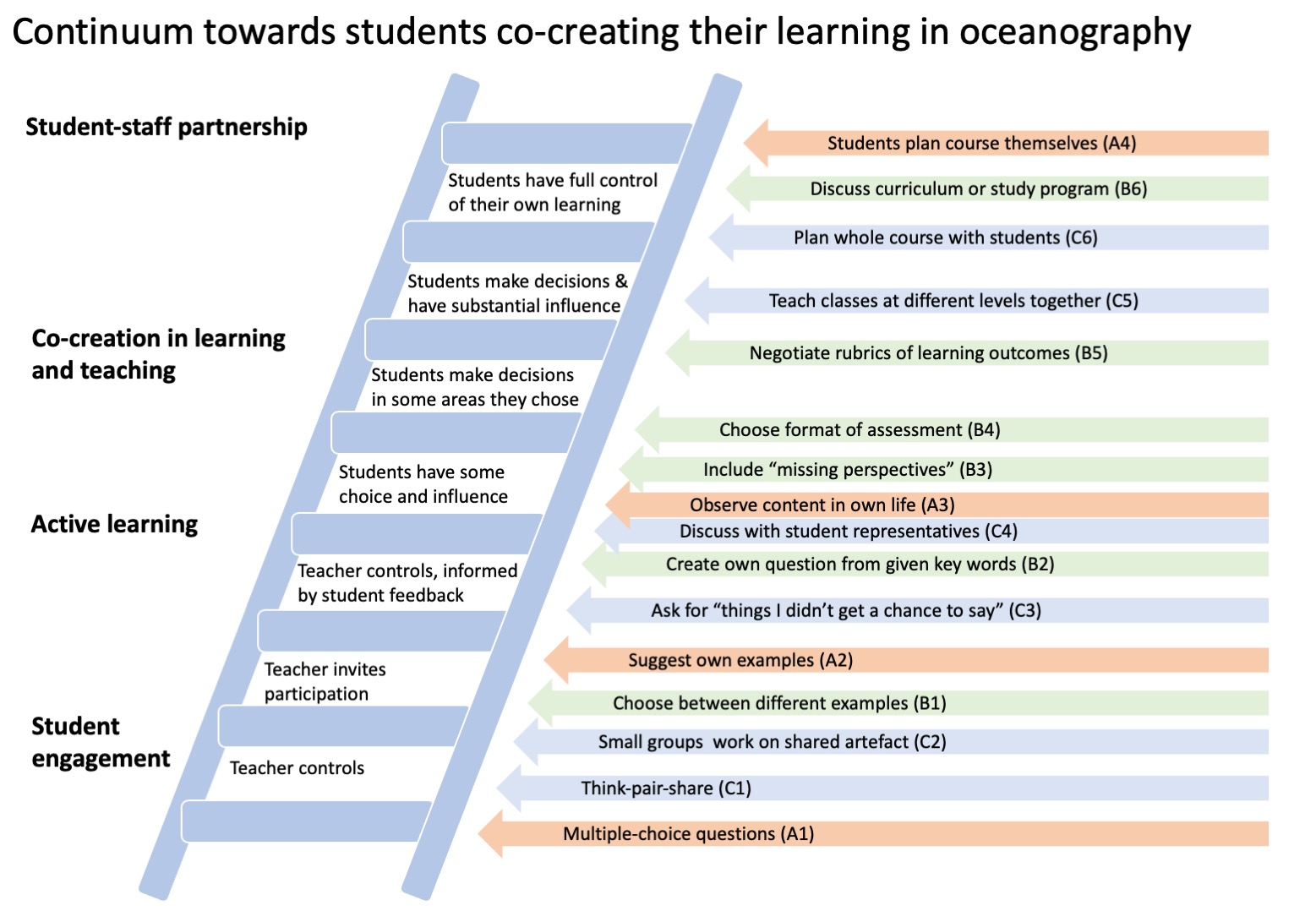
Kjersti and I just had an article published: “Co-Creating Learning in Oceanography” (Glessmer & Daae, 2021)! In this article, we discuss ways in which to share responsibility for learning between teachers and students on a continuum from “just” actively engaging students towards fully shared responsibility, i.e. “co-creation” or “Students as Partners”. We give 13 different […]

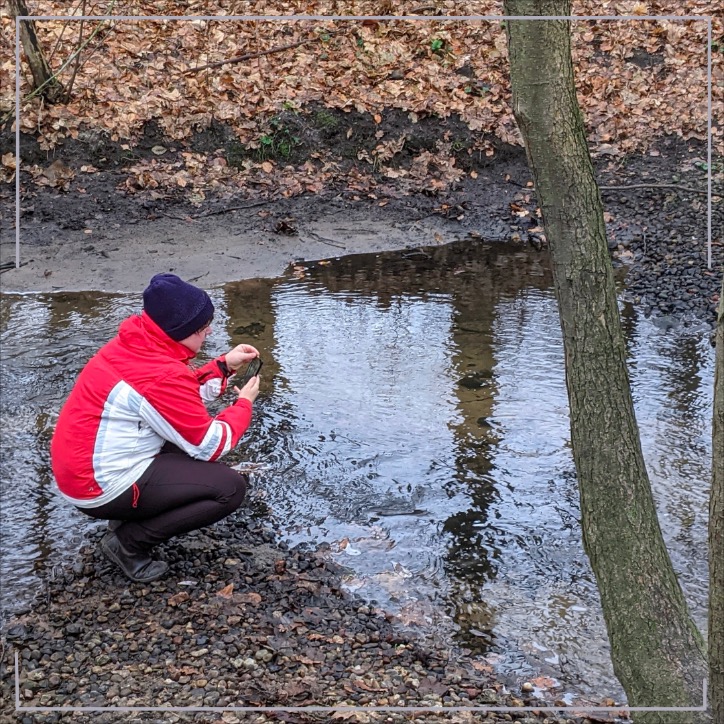
One of the few “behind the scenes” shots of me taking #WaveWatching pictures! See the super awesome current right at my feet? :-D⠀ ⠀ Similar to kitchen oceanography, I believe that wave watching is a great tool in education and outreach, especially during times where activites have to be socially distant. My article “How to […]

My friend Pierré and I started working on this article when both of us were still working at the Geophysical Institute in Bergen. It took forever to get published, mainly because both of us had moved on to different jobs with other foci, so maybe it’s not a big deal that it took me over […]