Tag: TawitfSMOOC


Currently reading Peterson (2026) on “Addressing emotional labour in higher education teaching: institutional solutions for effective teaching, workloads and wellbeing”
Teaching involves a lot of emotional labor — handling of our own and others’ emotions — especially when dealing with controversial or emotionally difficult course content, but also just in general because teaching is all about dealing with other humans. Emotional labor is also unequally distributed, with women, younger teachers, and minorities carrying most of […]

Currently binge-watching an awesome YouTube channel on gamification
There is a youtube channel that I have recently discovered that I love and just have to share after I found myself looking at the view in the featured image, talking on the phone with my friend about the channel: A former game designer, Marie-Jo Leroux, now gives advice on effective gamification of learning in […]

Currently reading Bedeker (2026): “Navigating the university PedTech Wonderland: a Freirean critique of technology-enhanced learning in higher education”
I have been thinking a lot about what platform to host our MOOC on and how that decision locks us into a lot of things, for example to certify completion of the course and with that requirements to use quizzes and peer-review, but also more generally the ways in which participants can interact, can navigate […]

Rethinking certification and traces of learning in our MOOC
Initially, we were very excited to have the opportunity to produce a MOOC to be run on one of the biggest course platforms in the world — to gain visibility and status through being hosted there, to be able to use a platform that handles participant accounts and automated certification through quizzes and rubric-based peer-assessment, […]

Currently reading: Emerson (2026) on ““It Honestly Made Me Want to Work Harder”: Student Evaluation of Using Ungrading in an Online Asynchronous Course”
As I am thinking more and more about the details of our upcoming MOOC on “Teaching for Sustainability”, I am less and less convinced that I actually want to have automated certification at the end. So Emerson (2026) on ““It Honestly Made Me Want to Work Harder”: Student Evaluation of Using Ungrading in an Online Asynchronous […]
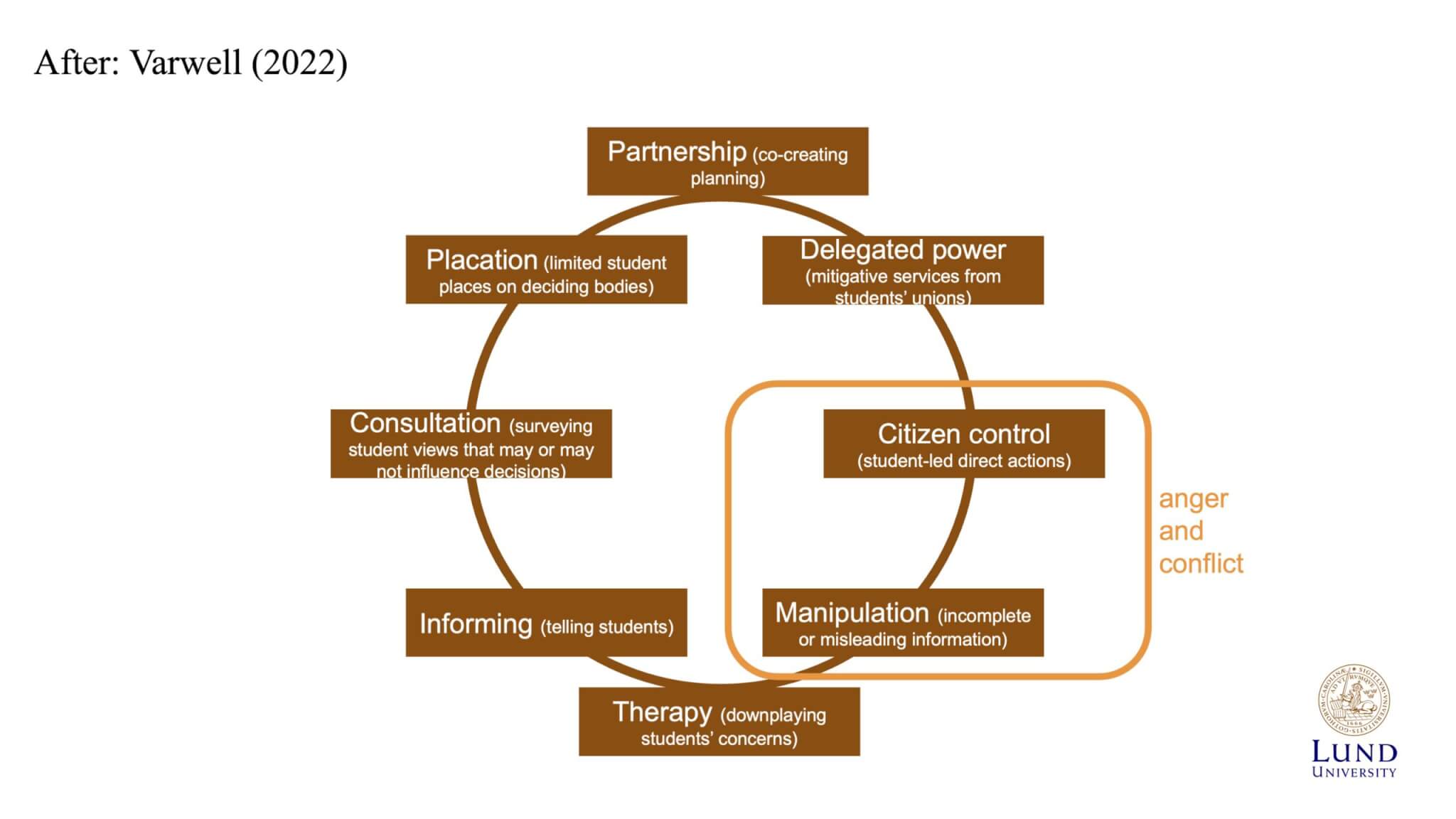
Thinking about citizen- and active student participation, inspired by Arnstein (1969), Varwell (2022), Biesta (2026), and others
Since listening to Gerry’s defense of his PhD thesis the other day, I have been thinking about partnership a lot, and how we need to practice partnership also in order to practice democracy. And I vaguely remembered having seen an article where the typical “ladder” is wrapped into a circle, so that rather than being […]

Currently reading Yang et al. (2026) on “Applying a Think-Pair-Share (TPS) Structure to Asynchronous Online Discussions (AODs): A Mixed Methods Study”
I am still deep in my asynchronous online learning phase, and the paper by Yang et al. (2026), “Applying a Think-Pair-Share (TPS) Structure to Asynchronous Online Discussions (AODs): A Mixed Methods Study”, looked super interesting!

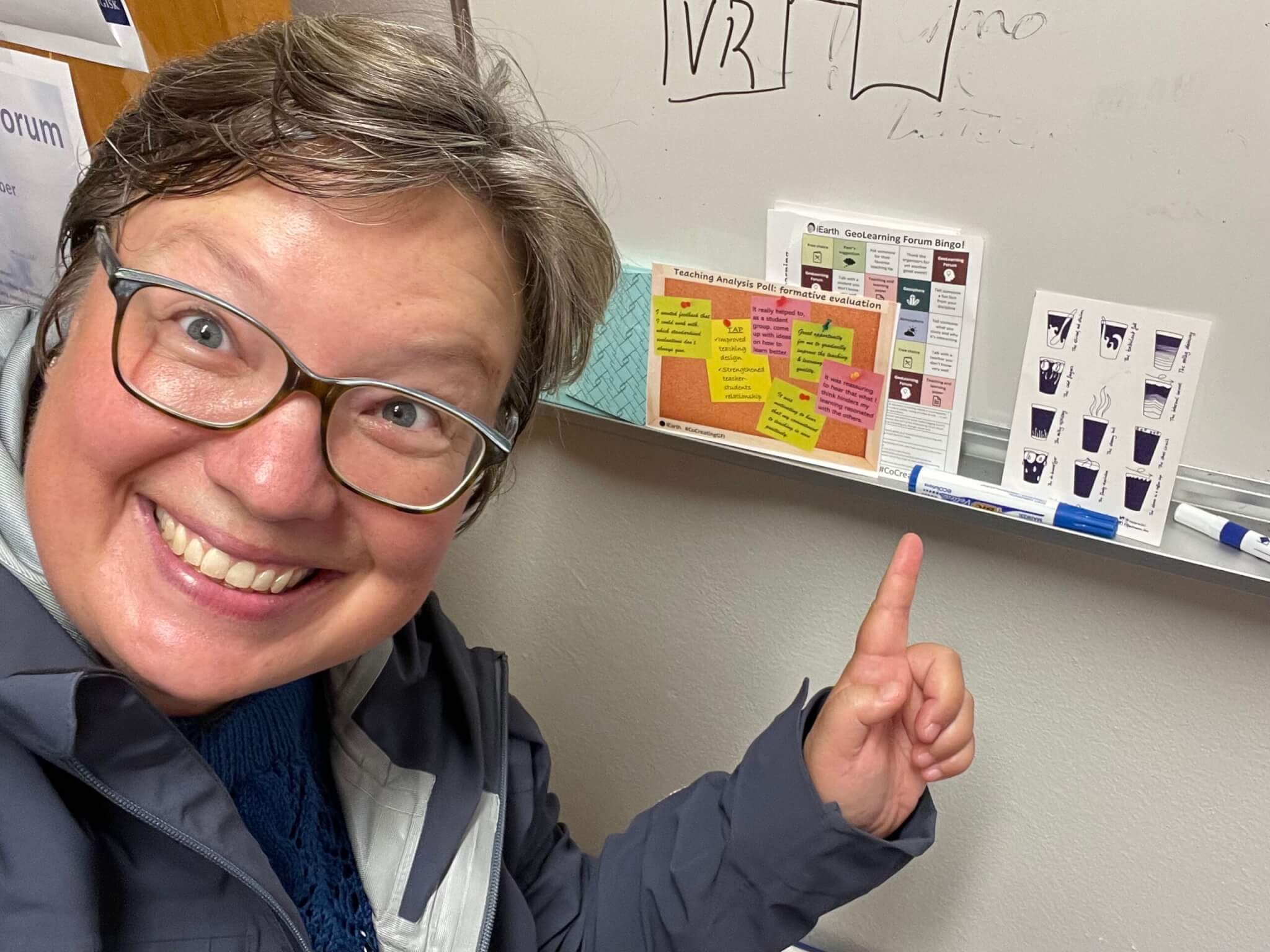
Currently reading about micro opportunities for learning
I’ve dabbled in this when I was working with science communication, but now in the context of developing our MOOC, I am interested again in how we can utilize micro-opportunities for learning — commute times, waiting in a doctor’s office, even bathroom breaks. There are so many times when people are on their phones and […]

Experiencing “the power of asynchronous learning” first hand
Several of the advantages of asynchronous learning really came through for me while watching a recording of the Centre for Online and Distance Education’s webinar on “the power of asynchronous learning” (watch on youtube). First — that I even had access to a recording of this seminar and had not just missed it because I […]

Currently reading Harvey et al. (2026) on “What is good academic development practice? Introducing Australasian standards”
I just saw that Kjersti, Cathy’s and my article has been replaced as the latest publication on IJAD’s website, and that “What is good academic development practice? Introducing Australasian standards” by Harvey et al. (2026) has been published on the first of January this year! Which I of course have to read right away, because […]

My work on Teaching for Sustainability
A couple of years ago, I decided that I would only initiate new projects that, in one way or another, contribute to making the world a better place. That has lead to my focus on Teaching for Sustainability. My understanding of Teaching for Sustainability is very wide — it includes both my research interest around […]

Currently reading Rizzo et al. (2025) on “Talking with Your Hands: How Hand Gestures Influence Communication”
In a nutshell: “hand movement can boost impact“! And especially if one uses “illustrator” gestures to make content easier to understand, one is perceived as more competent and thus more persuasive.
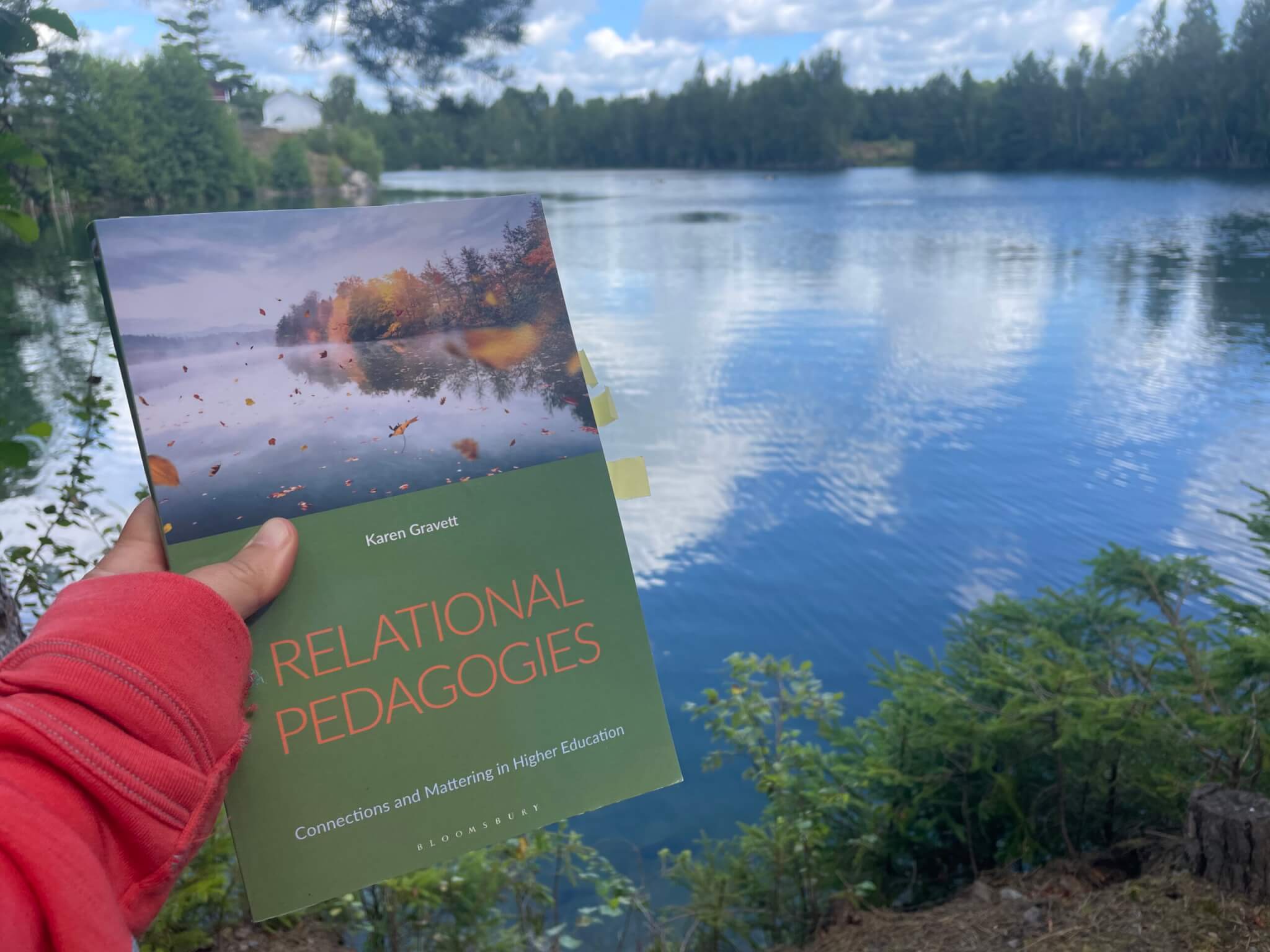
Currently reading Gravett (2022)’s book “Relational Pedagogies”, and thinking about parasocial bonding
It all started out with me listening to one of my all-time favourite podcasts, Teaching in Higher Ed, to an episode on designing video with intention and authenticity. Actually, it started before, with me reading about “Relational Pedagogies” by Gravett (2022), but I could not find a way to start a blog post about the […]
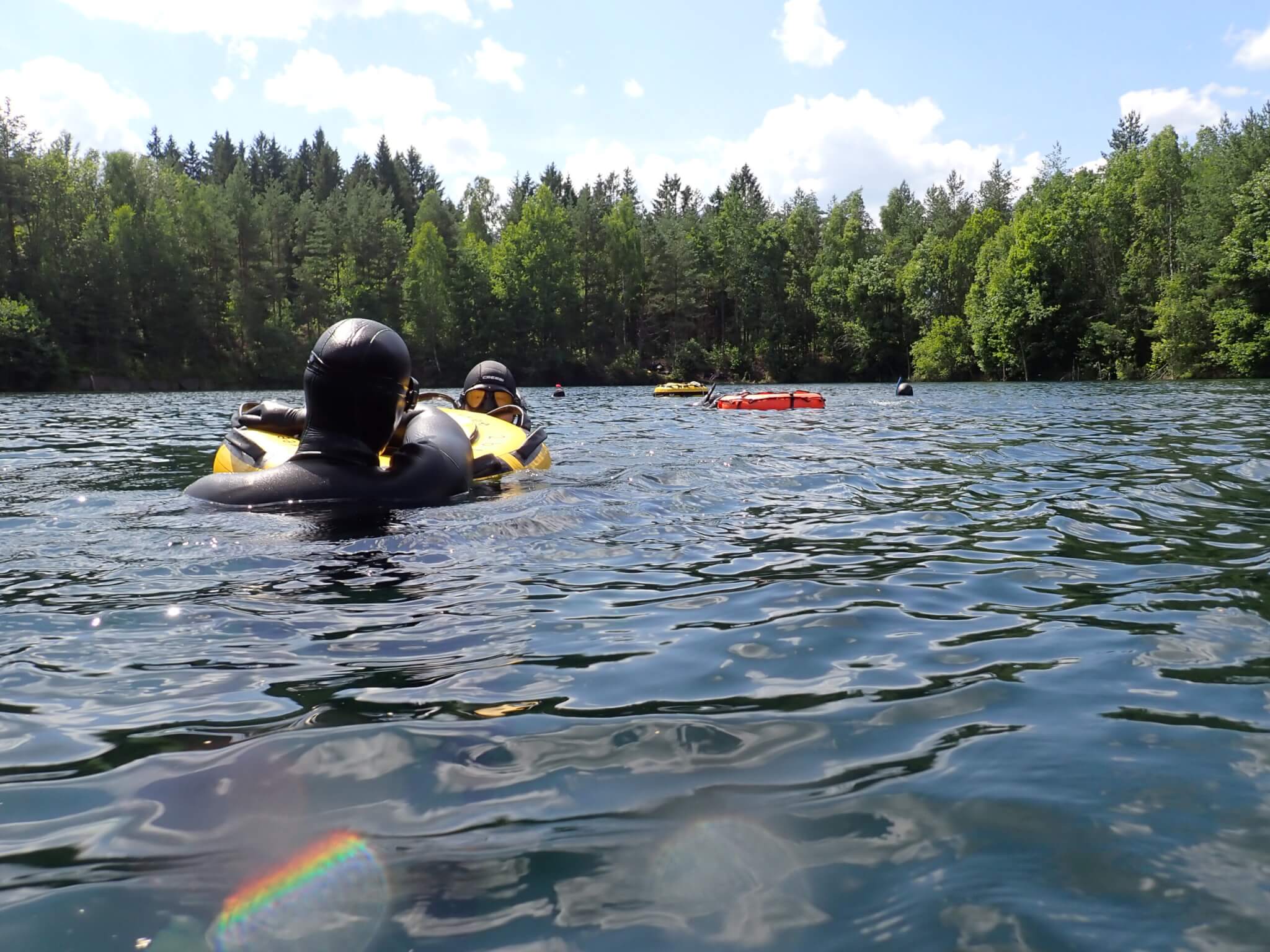
Testing an online course on Sustainability Education by teff
I’m always scanning the horizon on teaching for sustainability courses online to make sure I a) keep myself up-to-date with the state of the art, and b) don’t re-invent the wheel with our upcoming MOOC. I had been waiting for this one to come online for a couple of weeks and when I checked today, […]
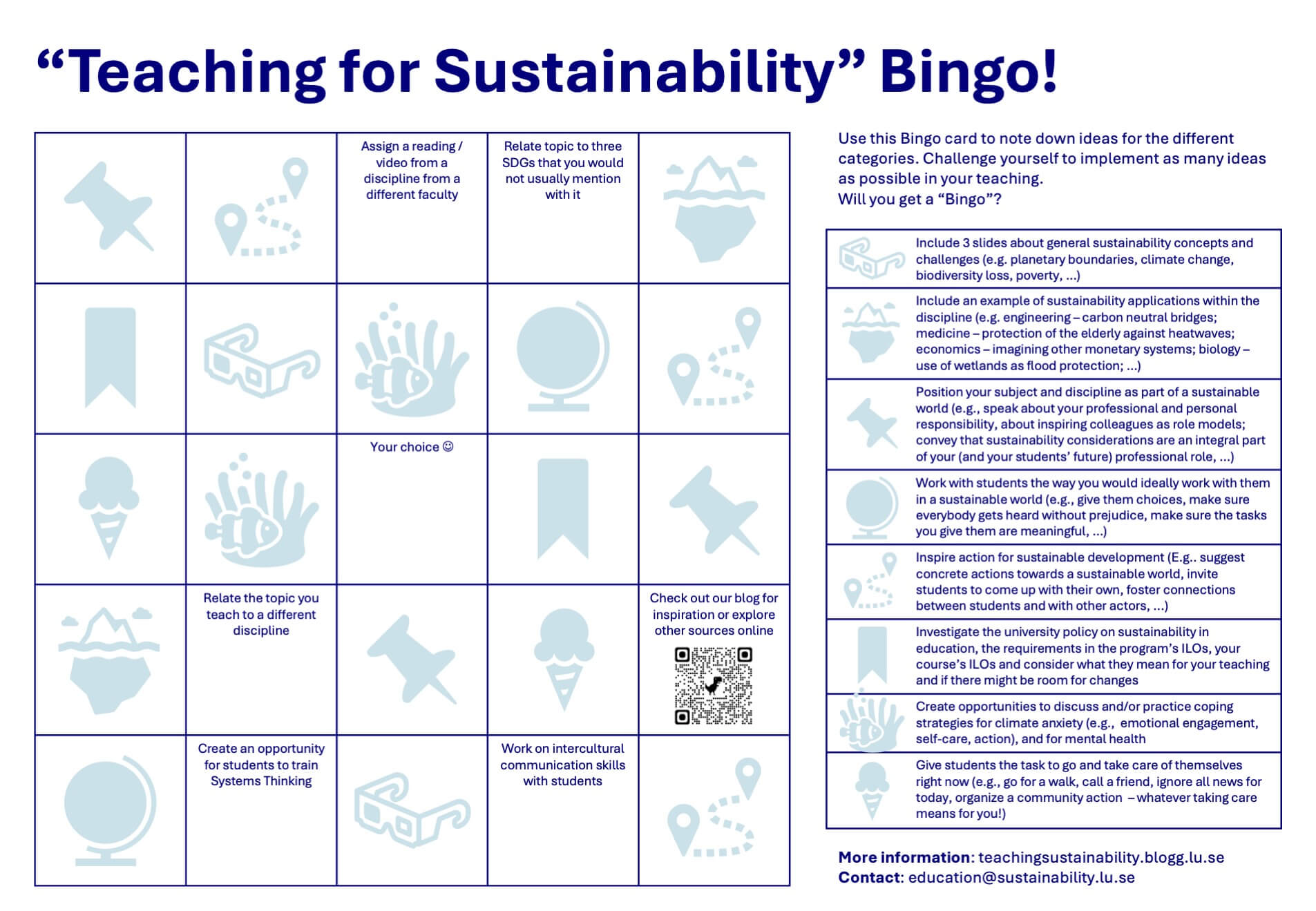

Preparing my course “Teaching for Sustainability” with the support of Noah (2025)’s brilliant book
In preparation for this fall’s online course on “Teaching for Sustainability“, I was looking into what kind of methods I want to model. And then — perfect timing — I started reading of Noah (2025)’s brilliant book on “Designing and Facilitating Workshops with Intentionality: A Guide to Crafting Engaging Professional Learning Experiences in Higher Education” […]

Currently reading Wenger et al. (2011) on “Promoting and assessing value creation in communities and networks: A conceptual framework”
You might associate the name “Wenger” with Communities of Practice, as do I. So then it’s very interesting to read Wenger et al. (2011), where they distinguish between a community (of practice — a learning partnership in a specific domain with a shared identity and commitment to learning together) and a network (which is about […]

Thinking about what makes MOOCs work
Soleymani et al. (2025) explore “Personal Experience and Value Creation in Postdigital Education” in a large-scale survey (1227 people responded to their survey) of MOOCs run at the TU Delft. They use a value-creation framework, which categorises value into five cycles: immediate, potential, applied, realised, and transformative, and investigate how participants perceived the MOOCs in […]
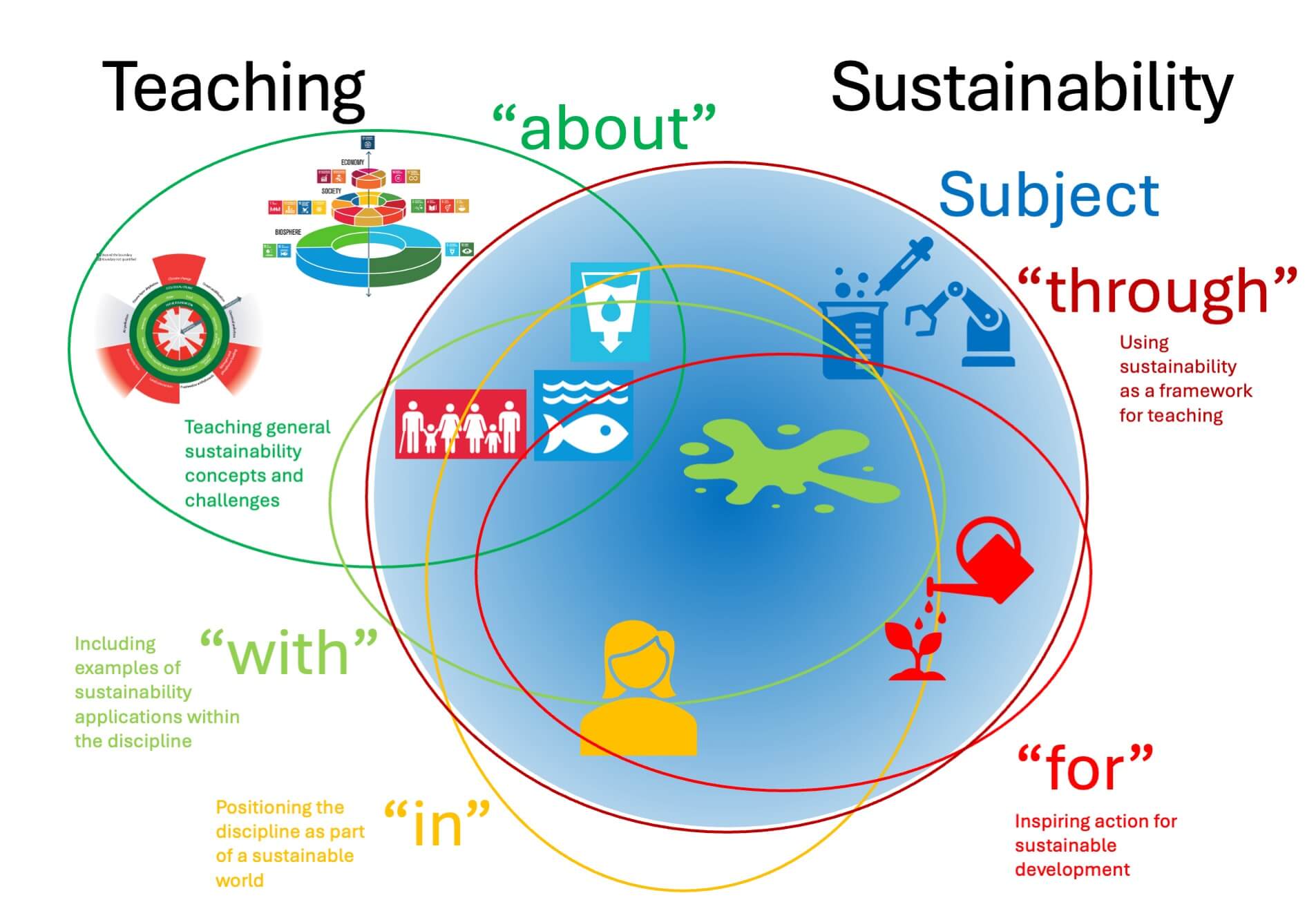
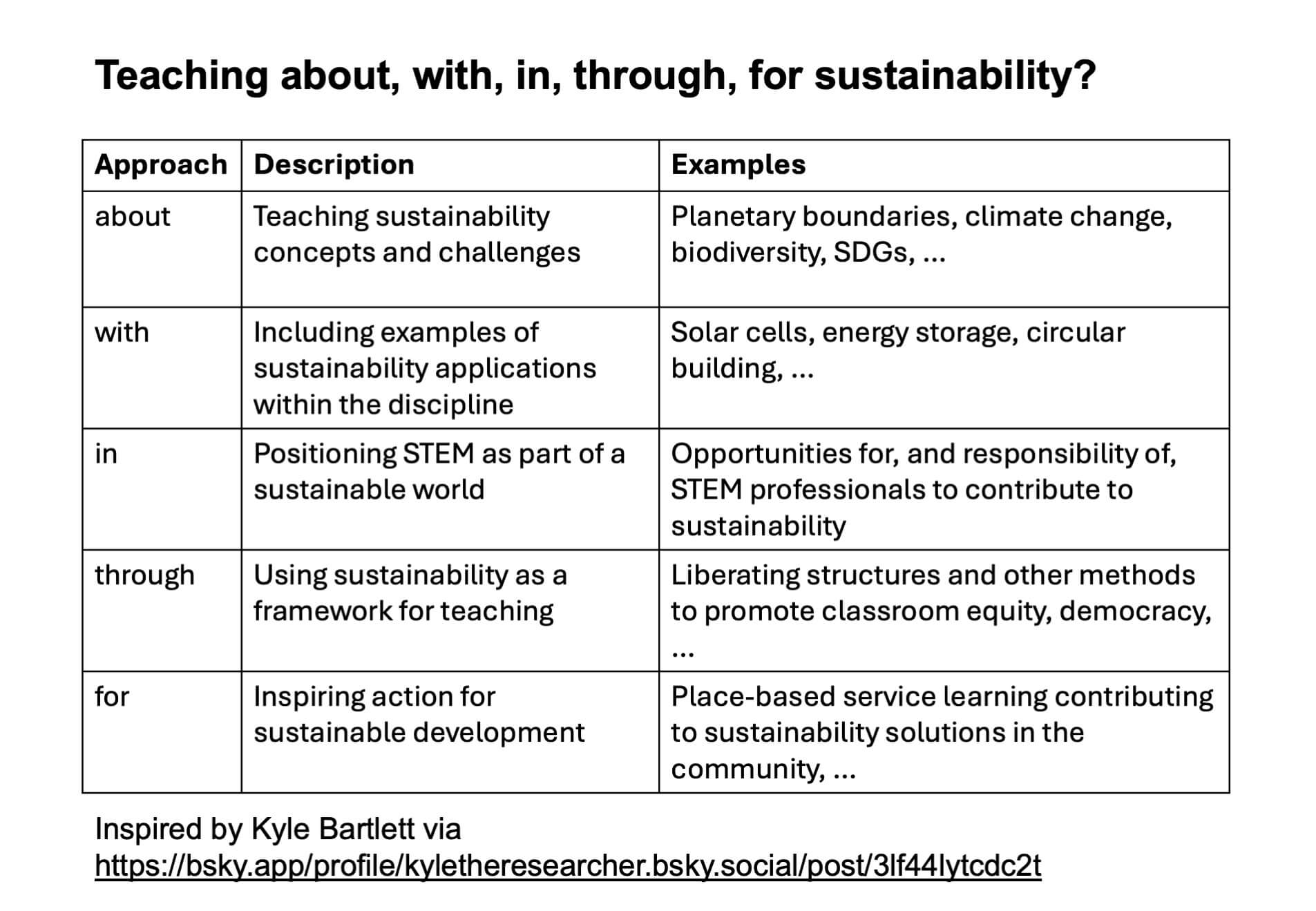
Teaching THROUGH Sustainability
I recently wrote about the framework of Teaching about, with, in, through, for Sustainability (which I had found in a bluesky post by Kyle Bartlett and then adapted to my own context and purpose). I have since used it in a lot of conversations and found it extremely useful to address different aspects of what […]