Watching the Dollinger (2026) presentation on “Educator uncertainty in fully online programs”
I just watched the CRADLE Seminar Series 2026 #6: Educator uncertainty in fully online programs with Mollie Dollinger and it was so good! Comfort with uncertainty is such a useful lens that I had never really considered before!
Dollinger explained that a lot of the current disagreements around assessment and AI are about how comfortable educators are with uncertainty. On the more comfortable end of the spectrum, people tend to believe that there are solutions, we just haven’t found them yet, or that trusting our students to want to do the right thing and to be there for learning is a good approach and that based on spending enough time talking with students, we get a pretty good idea about what they can do — this is the end where I would also place myself. On the more uncomfortable end, people are worried about students cheating and grades becoming meaningless, and responding with increased policing and control, even claiming that university degrees are now worthless (which, come to think about it, I am pretty sure I have said about online certificates that rely purely on automated and peer assessment, so that’s something for me to think about!). Anyway, looking at the debate from this angle is really useful, because comfort with uncertainty, similarly to widening a corridor of tolerance, is something I am pretty sure can be trained!
Dollinger then goes on to explain that historically, for example by Plato and Dewey, doubt is seen as something positive that makes us think. So we should lean into it and use it in constructive ways rather than trying to hide it as we currently do, for example with grades. What I found really interesting was the discussion of how other professions deal with doubt: in medicine, for example, there are apparently lots and lots of structures in place for how to act under what circumstances to manage doubt. In law, there is the acceptance that doubt will always exist and therefore they work with “beyond a reasonable doubt”. In education, though, we hide the doubt to reassure ourselves that it isn’t there. For example we use learning outcomes, as if we can actually predetermine and assess learning; supervised assessment as if we can then actually know what someone has learned; rubrics to itemise judgement so it looks objective; double marking so that things become more solid; grades that flatten learning into a single mark so that learning can be ticked off as achieved. And staying with grades: We know from tons of research that they are subjective, yet grades persist because they manage our doubt: students doubting if they are good enough, educators doubting their fairness and objectiveness, and institution doubting whether students meet their standards. But all of this is just trying to hide the doubt that we know is there and has to be there since we can never completely plan teaching or learning.
So how would we design if we allowed ourselves to doubt? Here, Dollinger shared her own approach (with the caveat that she might change her mind — love it when people make that explicit!). So for learning outcomes, we can distinguish a lot more clearly what we cultivate from what we try to verify. This is then also reflected in how and what we grade, and how transparent we are about that. Grades can only be about stuff we can actually verify, not values etc. And we should move away from numerical marks towards bands like excellent, acceptable, needs more work, not good enough. Rubrics then become a shared reference as guide and basis for conversation with students, and are ideally co-created. And the moderation can be used to intentionally surface disagreement in marking, which can then feed back into designing assessment. Sounds good, right?
But for that to happen, institutions need to cultivate cultures of safety. And change requires resources, so teachers need time, training, and workload models that reflect openness for doubt and experimentation. And institutions need “appetite for change”, meaning leadership and policies need to be openminded to challenging what is and experimenting with what could be.
And only at this point in the presentation, Dollinger picked up in the “online” in her title — because everything so far were general considerations relevant to any mode of learning. “Online” itself is pretty ill-defined — at what point does something become online learning vs just accessing resources on an online platform, for example? And can we bunch asynchronous and synchronous online learning together and assume that they need the same pedagogies? Dollinger highlighted that generally, fully online learners learn under very different circumstances than in-person students, e.g. 2/3rds of them study part-time. And maybe online learning requires different pedagogies than in-person learning, for example more focus on the translation between theory on the one hand and work-related skills and practices etc on the other; maybe constructivism isn’t the right pedagogy here? Dollinger also recommends reconsidering (asynchronous) peer connectivity, and keeping in mind that not all programs and cohorts will want the same. And lastly, online platforms are changing All The Time, so we always need to ask ourselves what is the right one for what I want to achieve?
So what we should do is experiment with online learning, and see it as important, prestigeous work (which, of course, needs sufficient funding…), and to make sure that we are, and stay, aware that online learning is distinct and really needs its own investigations and focus. Dollinger says that the rush to fix online teaching has, so far, focused on security. But where is the doubt? What does actually need assurance?
I think I will need to rewatch the presentation to really get everything out of it, but I have so many thoughts now! In general about the “comfort with uncertainty” scale — that is such a useful lens to look at approaches to teaching, but also specifically to including sustainability etc.. But also about how we need to look into online learning as its own distinct format much more deeply. As she mentions, we all know that a recorded lecture lands differently from watching one in person, yet we don’t really understand how. Maybe this is where I see my own niche (haha, who am I kidding, niches don’t work for me!), but maybe my articluated focus developing, where online teaching and sustainability teaching meet?
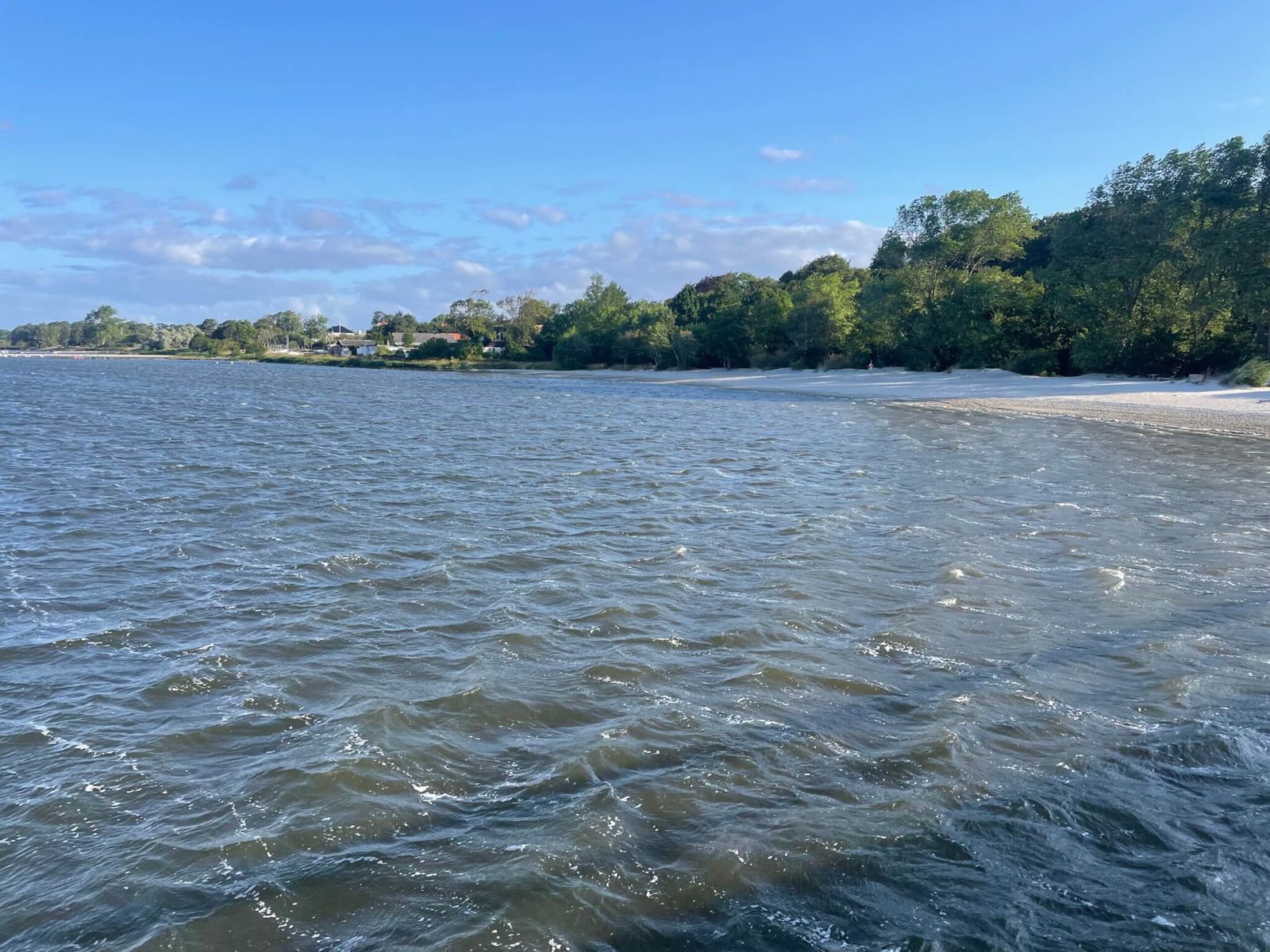
Very windy morning today!
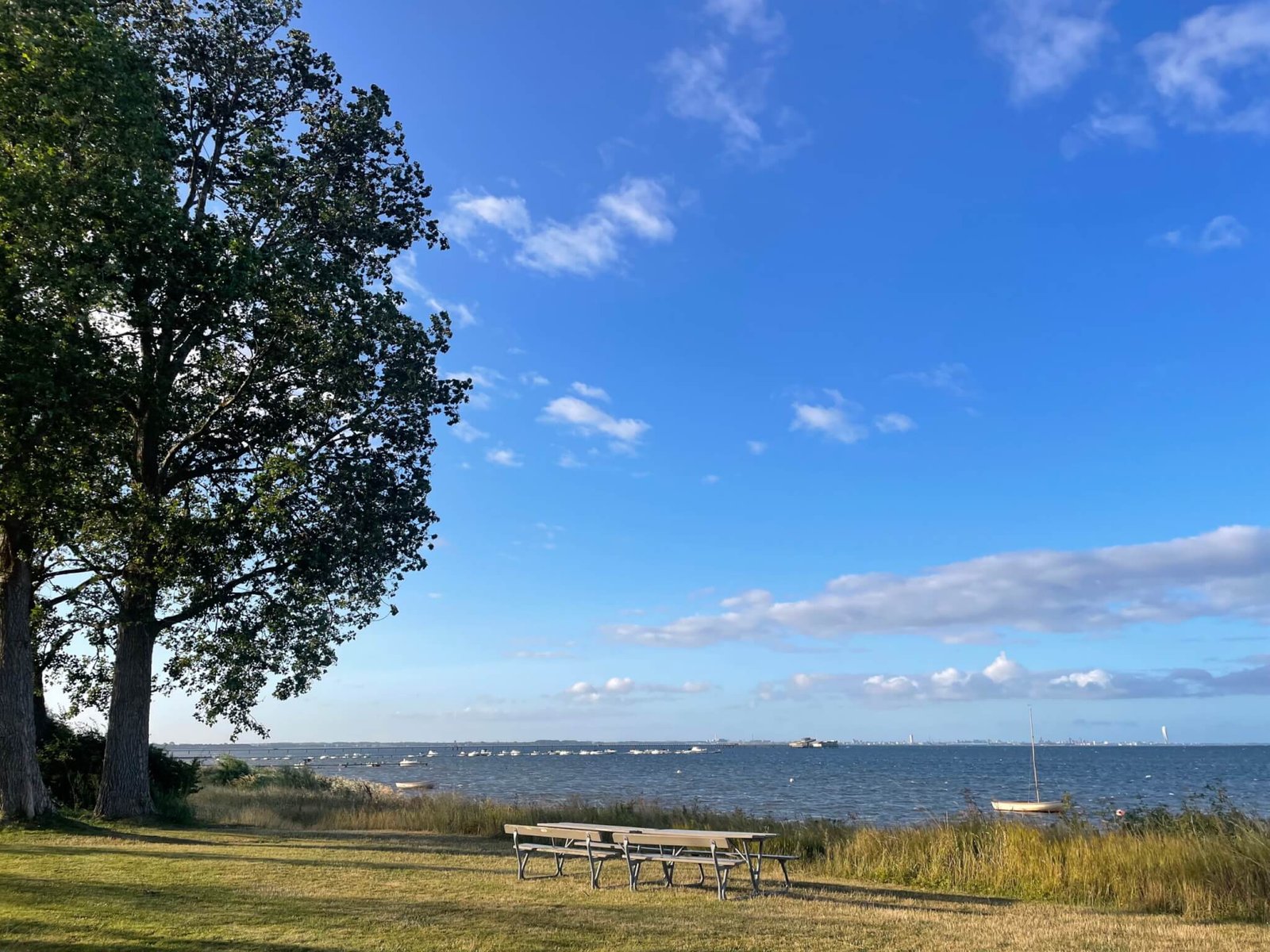
It’s so interesting to see how quickly the fine sand from the beach is moving. It has moved a lot since yesterday! Might be difficult to see due to the play of light and shade, but you can see ripples here that weren’t there only yesterday…
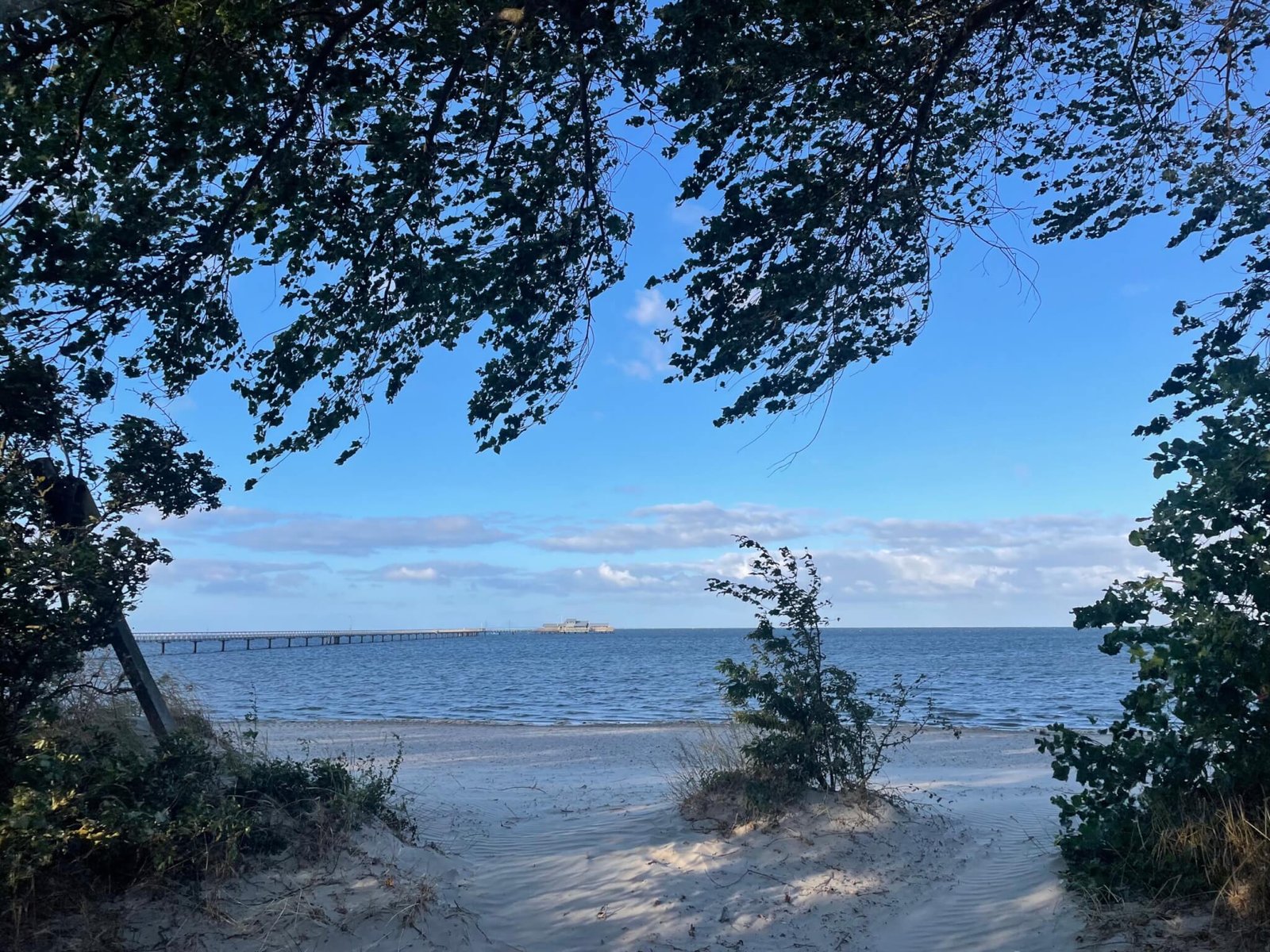
And waves are always awesome, of course.

Langmuir circulation!
And the way back home…