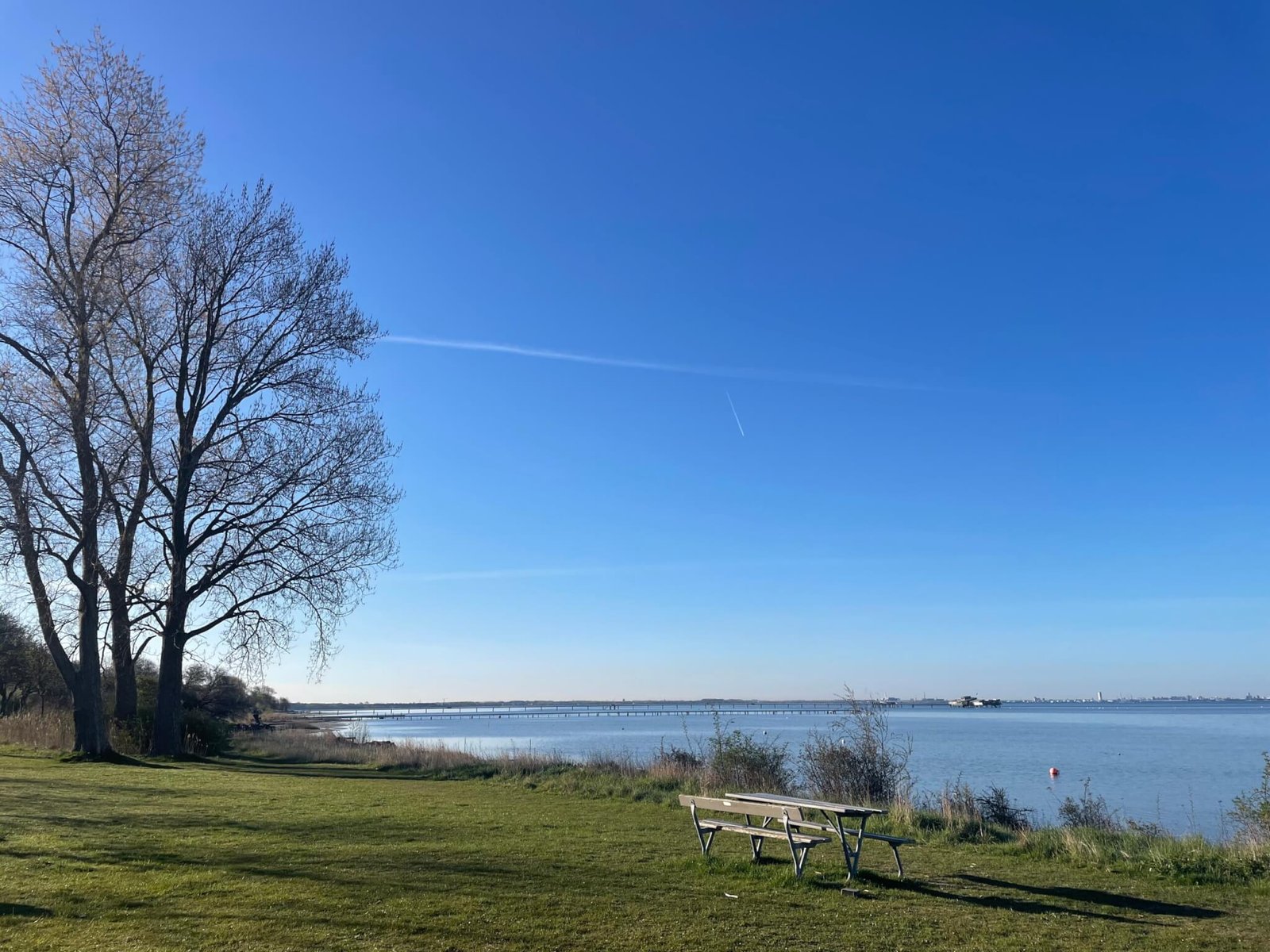
Currently reading Peters et al. (2026) on “Dread, hope and the politics of emotion in engineering education”
Climate emotions are often discussed as individual. Although it is often suggested to talk about emotions and to find supportive community to process and deal with them (see for example the steps talk and unite here), most often there is no discussion of how emotions are shaped by society in the first place. Peters et al. (2026) explore that approach and “treat[…] emotions not only as individual or psychological phenomena but also as socio-political forces that are produced, circulated, and regulated within specific cultural and historical contexts“.
They see “emotions as socially constructed, historically situated, and politically consequential. From this perspective, emotions are not merely internal states but relational, embodied practices embedded in structures of power“, which means that emotions — together with the structures of power — should be a very important consideration in teaching. Specifically, climate dread — the anticipation of an undesirable future — is influenced by how we talk about the climate crisis. “[I]n the context of the ecological crisis, dread can arise when contemplating what might happen if current structures and power relations remain unchanged (e.g. if global warming increases beyond 2 degrees compared to pre-industrial times). Educators could intentionally elicit dread to consider or to motivate students to work for societal change, which […] lies outside the norm of engineering and computing practice.” In this, teachers should not assume that they know and understand students’ emotions, or try to guide those emotions. They also need to balance discomfort that is necessary when really engaging with difficult topics with creating a safe(ish) learning environment. And of course teachers also have emotions themselves, both regarding the climate crisis and also regarding their role as teachers and how far they can stretch it, that they need to manage…
So that said, how can we work with climate dread in teaching?
Peters et al. (2026) further discuss the course presented already in Eriksson et al. (2022); a course which “challenges the underlying assumptions in basically all of the other courses the students take” because instead of being techno-optimist and -solutionist, it acknowledges that there are some problems that technology cannot solve. “The facts conveyed in this course are discomforting, while the norm is to gloss over complexities and present ‘feel-good facts’, that is, cherry-picking research that shields educators and students from questioning themselves, the systems in place, and the world around them“. In reflecting on the course, “[o]ne educator argued that facts always have the potential to elicit emotional reactions, while another workshop participant asked whether saying that one only ‘presents facts’ leaves the students alone with emotions that they are potentially not prepared for or equipped to deal with, considering the overly optimistic or rational social positioning of engineering in other courses“.
In the article, Peters et al. (2026) discuss teacher reflections on different instances in the course, which fall into different teaching formats:
Lectures are considered too one-way to really open up about and process emotions. On the other hand, one can “invite a guest lecturer to deliver bad news on behalf of the teacher“, so that topics can be at least touched upon without the teacher having to do too much emotional labour. The reluctance of teachers to address difficult topics is something I often hear about privately and confidentially, and I think it’s really valuable that it is documented in the article so that it is now a citable part of the body of literature:
“One guest lecturer shared that he avoided some content that would have been too distressing for himself:
Excerpt 1: ‘[Guest lecturer]’s lecture (on social sustainability) – he actually touched upon feelings/emotions
during the lecture, but also talked to me afterwards: He had chosen NOT to include some slides because he
thought that he might cry if he did’. (Educator diary, Elina)“
In a panel discussion where students could anonymously ask the teacher team personal questions became antagonistic and about intergenerational justice; the teachers felt blamed in place of older generations, of society at large that had allowed the world to come to this stage.
Discussions in seminars with about 14 students in a circle (no phones or laptops) allow for working through emotionally taxing issues; one tip here is to informally switch between discussions with the neighbour and the whole group. In this setting, 2 of 3 teachers decided to act as role models, “being living examples of the various ways in which eco-anxiety and ecological emotions can be encountered“.
Informal conversations in the corridor were unplanned, but very meaningful to both students and staff. So important to create space and make time if the opportunity for such connection presents itself!
But they also think beyond the opportunities that are created, and present themselves, in a course; about “how to prepare students for life after the course, where opportunities for engagement, such as those they experienced in the course, may be limited, potentially leaving them feeling isolated with what this course made them concerned about and any associated difficult emotions“. In Eriksson et al. (2022) they reported on students that came back after a break and talked about how things had started to happen when they were back in their home context, so the process definitely continues beyond the course!
What I really appreciate about this article is how open and vulnerable the authors report on their experiences and thoughts. Reflecting on their experiences in the course, the teachers report they struggled with what they did with this course when nobody else was doing anyting similar. But importantly, they recognize that “[p]art of this emotional labour is shaped by gender norms and power relations, wherein men, who are commonly in the majority in engineering education programmes, are socially expected to be rational rather than emotional“. Relating to the emotional labor of overcoming fear, the authors “argue that this fear serves an important socio-political and disciplinary function: it reinforces existing epistemic hierarchies in engineering education and society at large, where rationality is privileged over affect, and where acknowledging emotions, particularly difficult ones, risks being seen as unprofessional or even intellectually illegitimate“. So even more important that we confront it!
The authors also reflect on how the understanding of their role changed and that it (and I am putting the concept on it, they don’t call it that) widened their corridor of tolerance: “As an educator, I have the legitimate power to break the rules and reshape the seminar when something interesting happens“. This is empowering, not just for them but also for others in similar situations (you know, like us…): “The present work shows that such engagement is possible, even in the existing engineering programs and at a technical university.”
In conclusion, it is much more complicated than thought: “Hope […] is not a neutral or universally uplifting feeling – it can operate as a disciplinary force, encouraging compliance with dominant narratives of individual responsibility and incremental change“. At the same time, “dread should not be dismissed as paralysing or counterproductive; rather, it can serve as a catalyst for critical hope. We understand critical hope as emerging from a deep, critical engagement with the present realities of ecological and social crises“.
So let’s get to work! :-)
Peters, A. K., Laurell-Thorslund, M., Eriksson, E., Pargman, D., & Zembylas, M. (2026). Dread, hope and the politics of emotion in engineering education. European Journal of Engineering Education, 1-26.
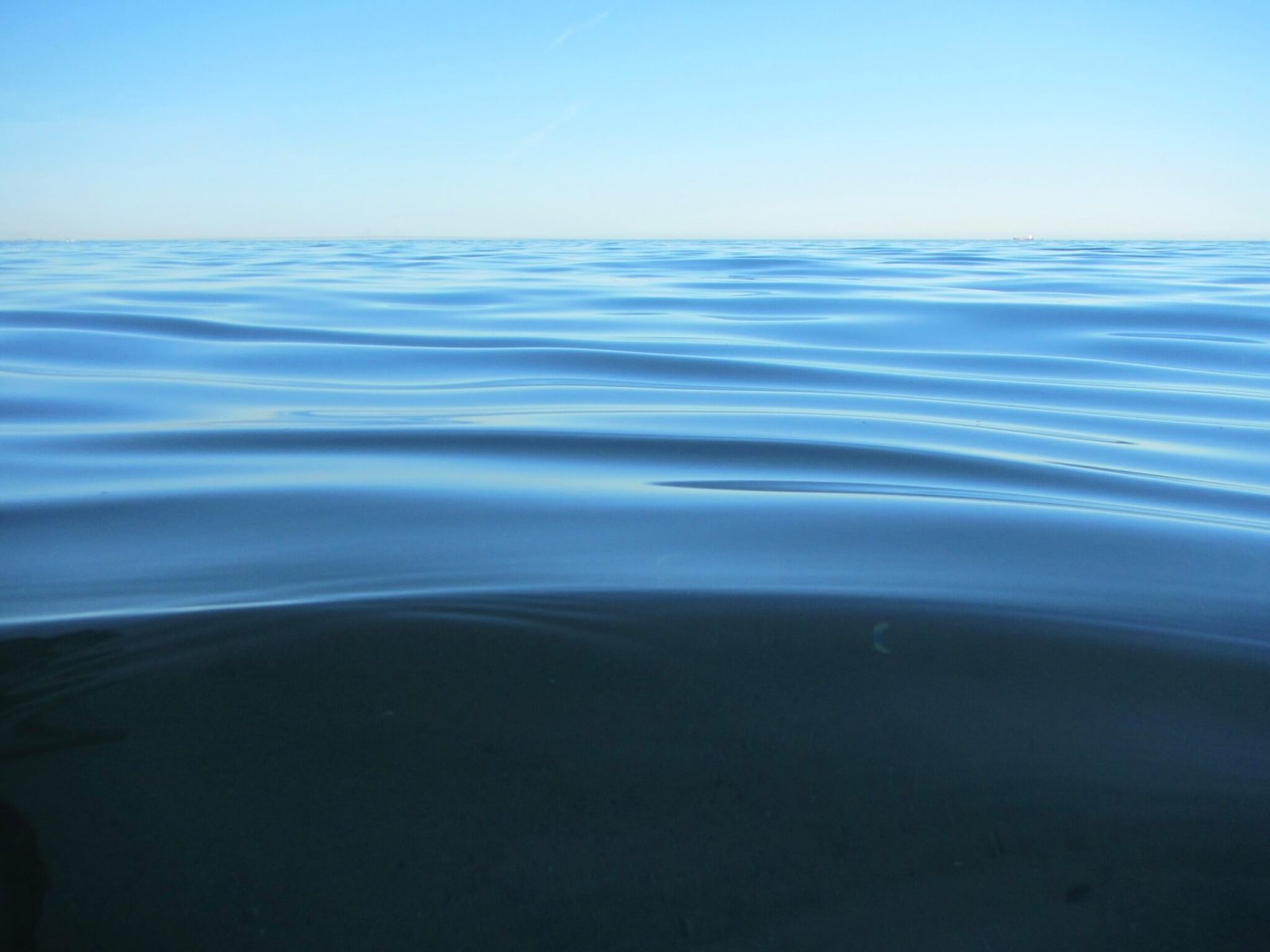
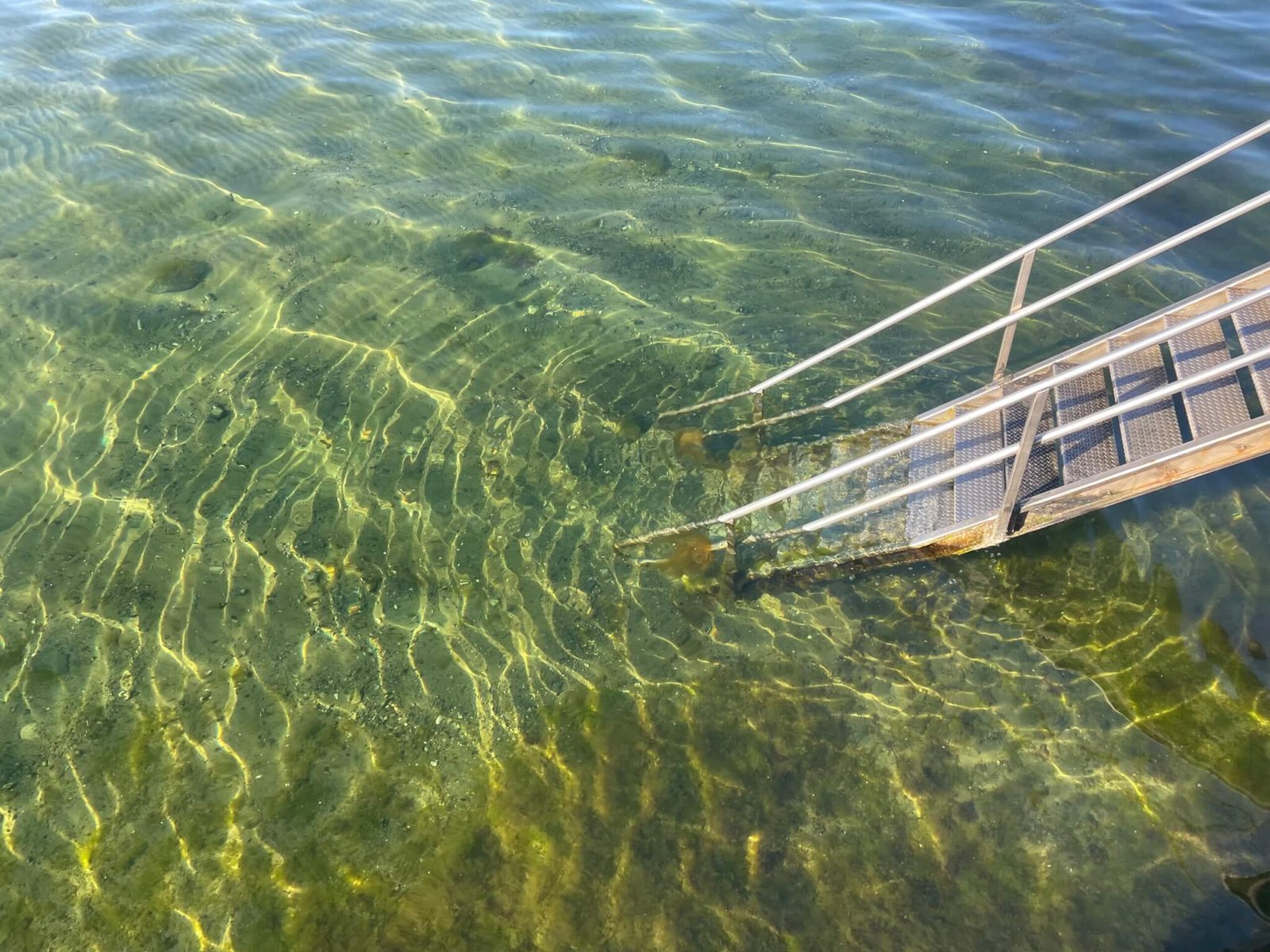
Some more morning dipping pictures!
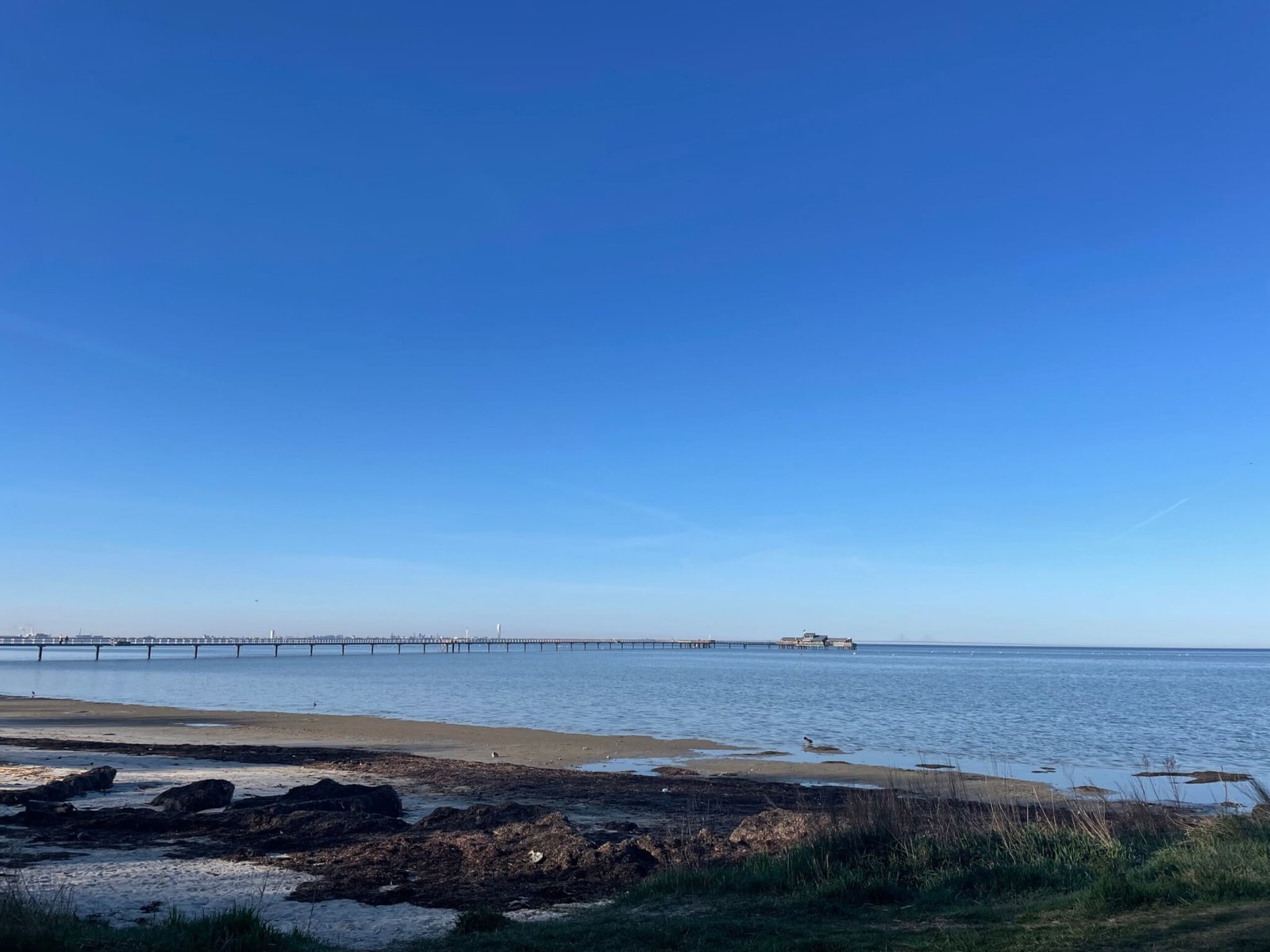
As the keen eye of the regular reader might recognize from the state of the leaves, these pictures are a couple of days old already
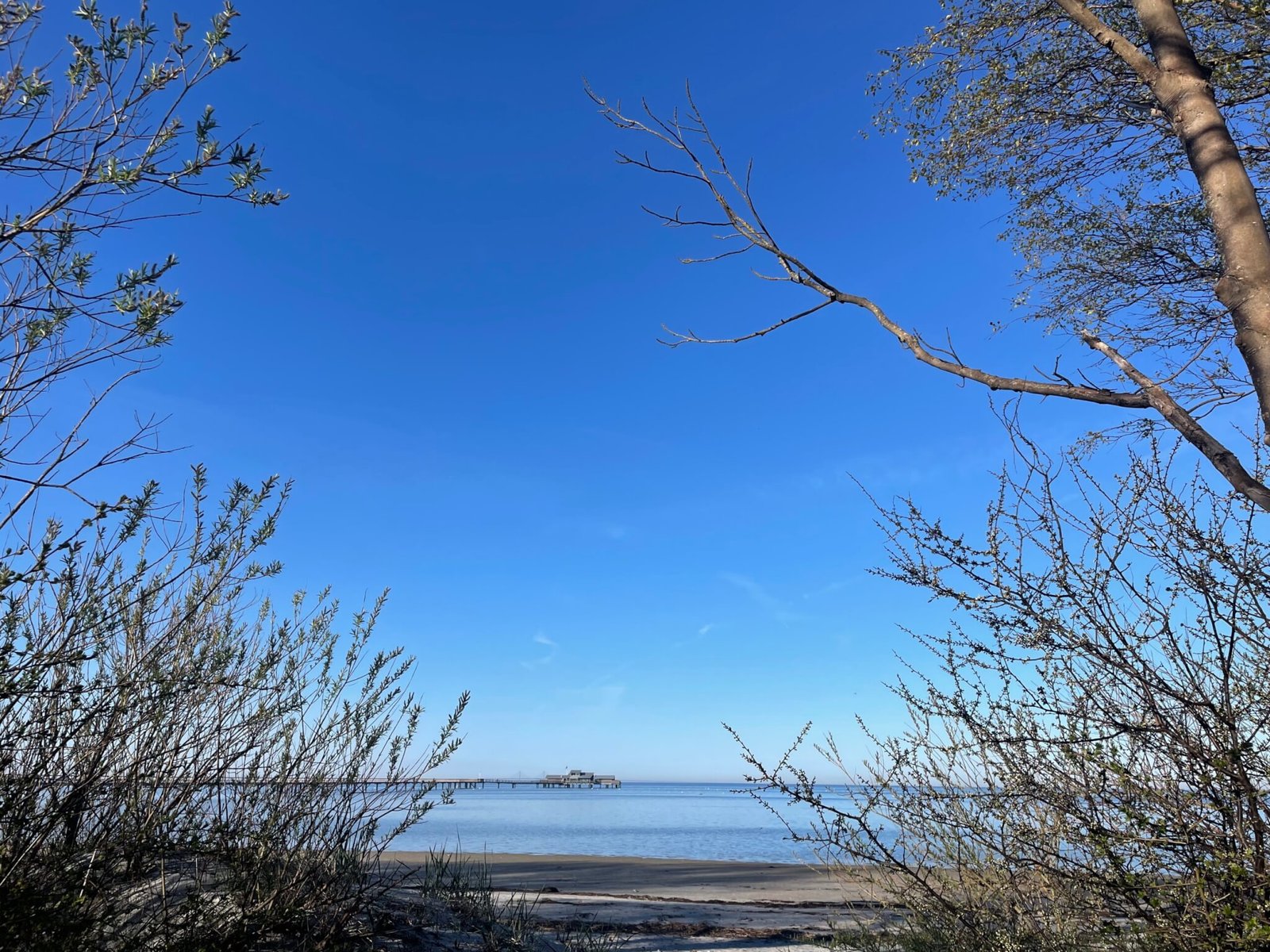
But still beautiful!
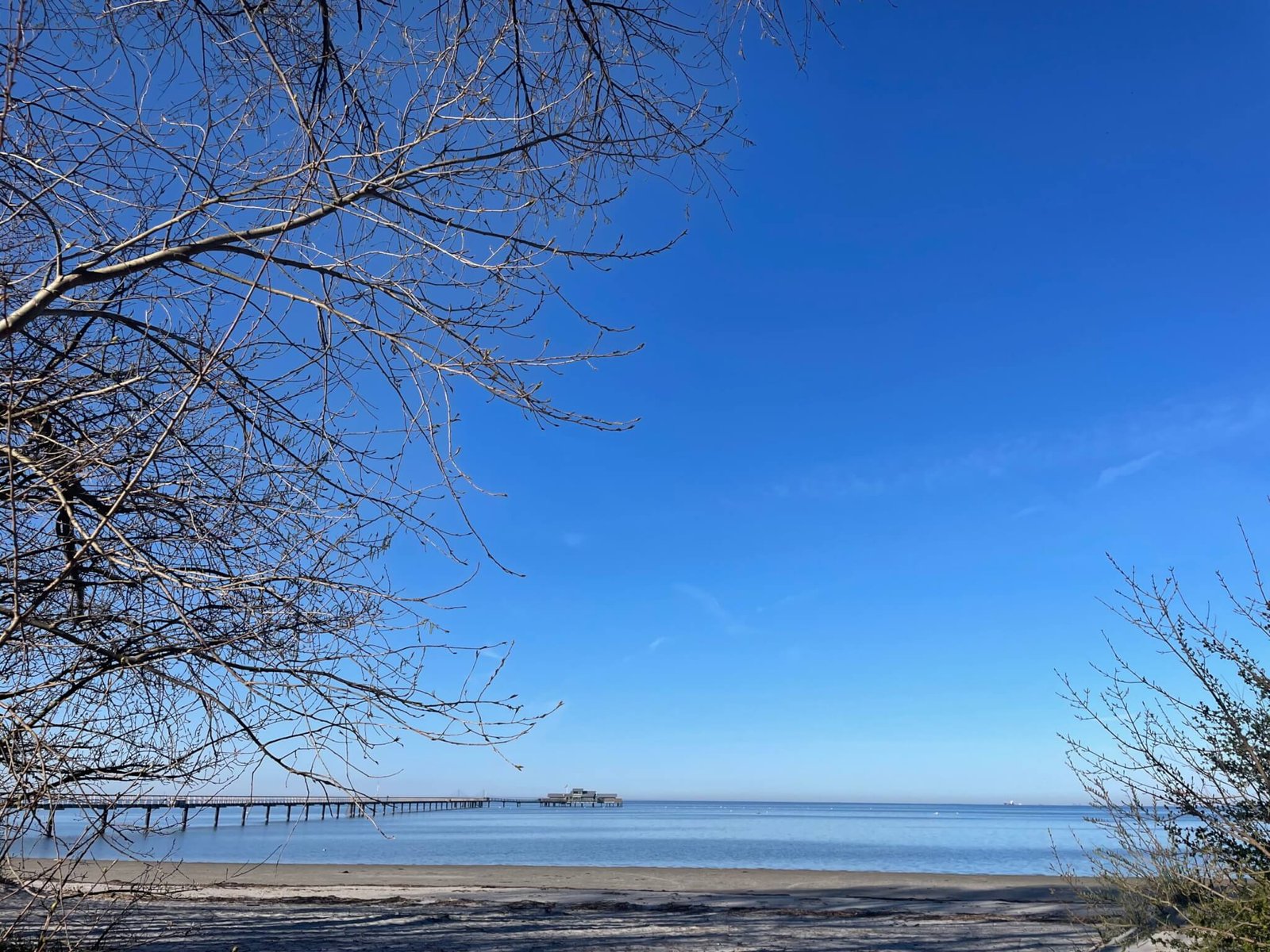
Also super nice to see the effects of land cover and wind fetch.
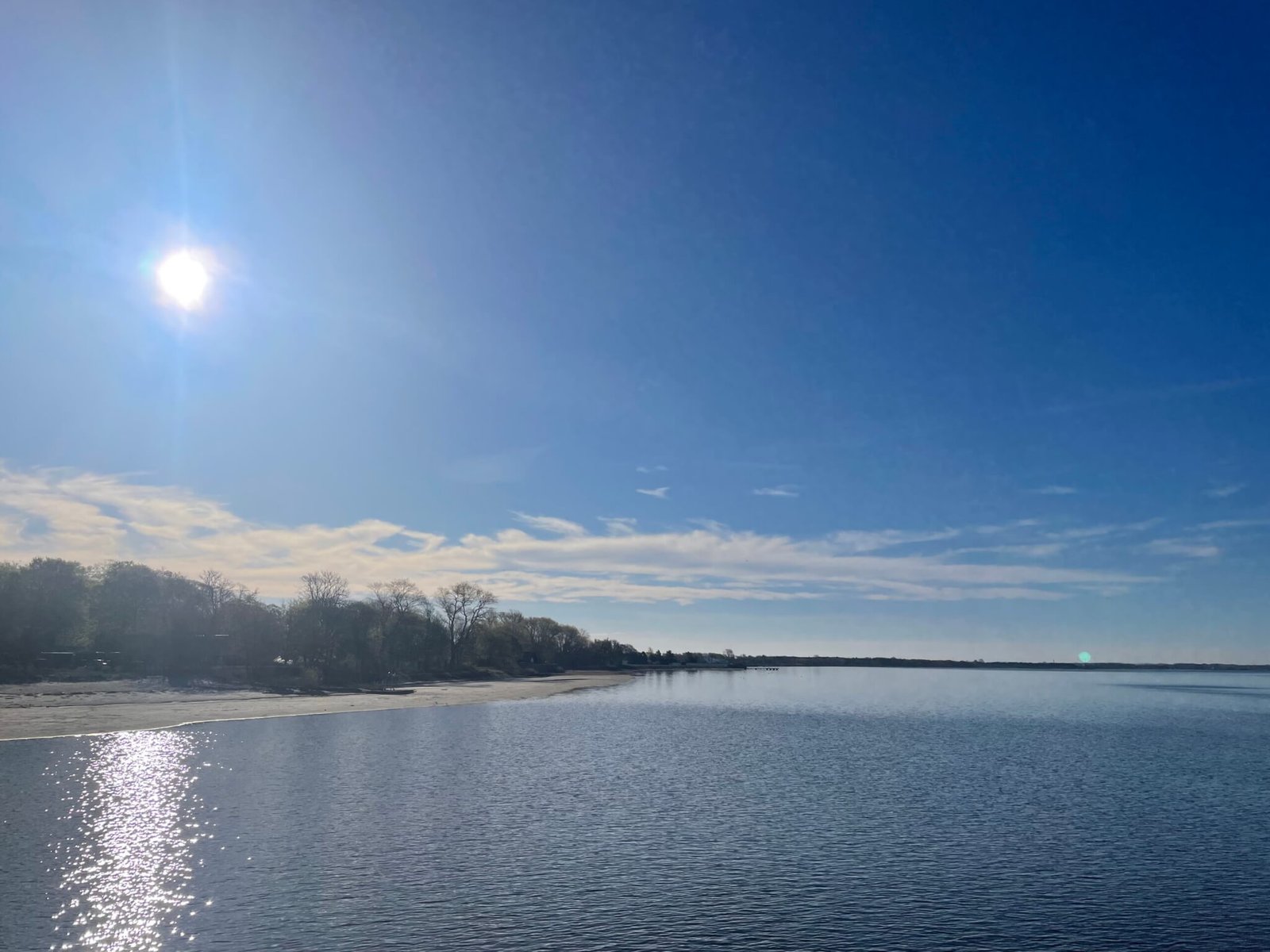
Large areas with hardly any capillary waves at all!
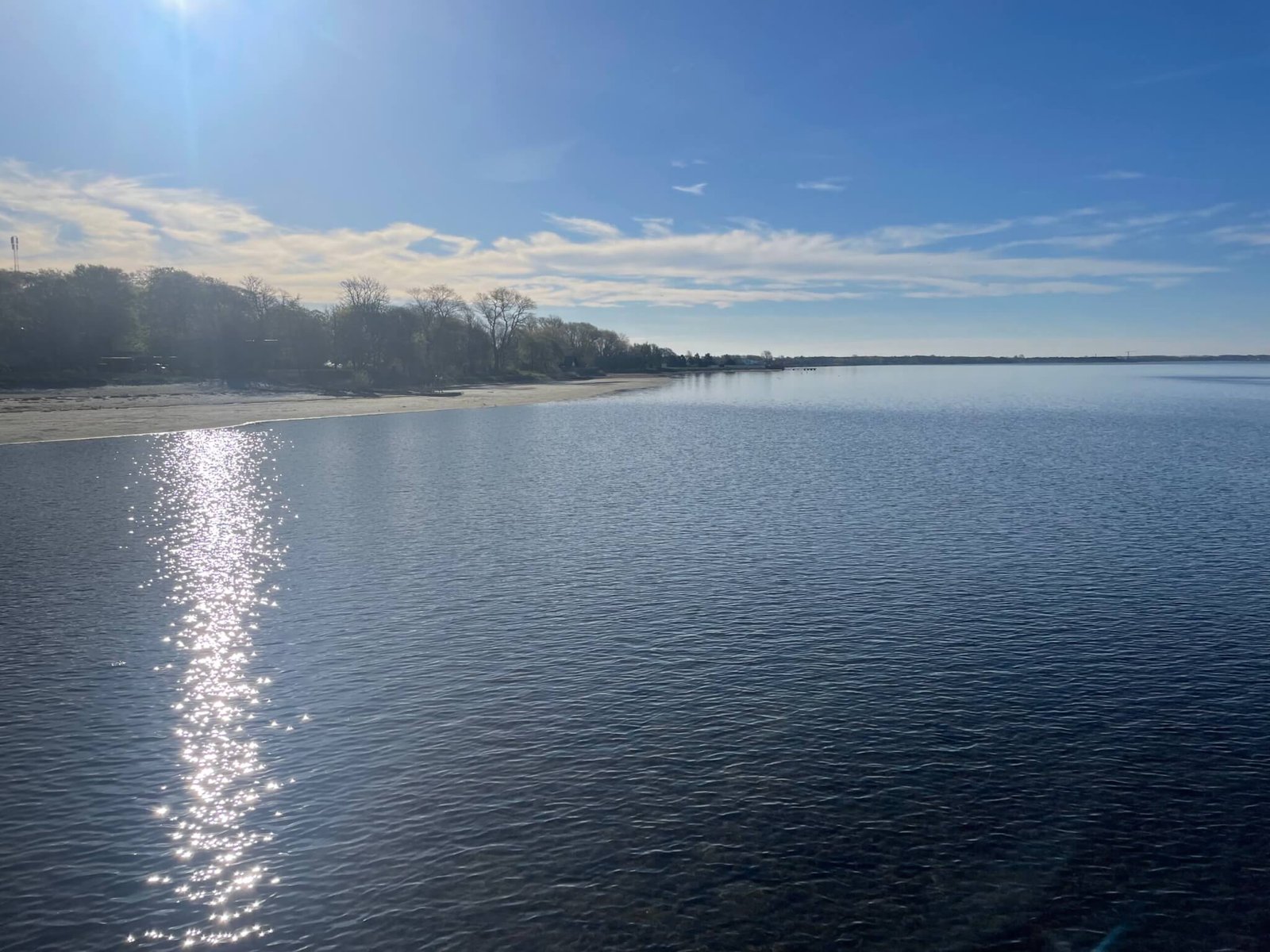
Oh and this blue!
Also fun to see what happens with the longer waves when they meet the obstacle of the stairs!
And ring waves around the rock where the swan is standing.
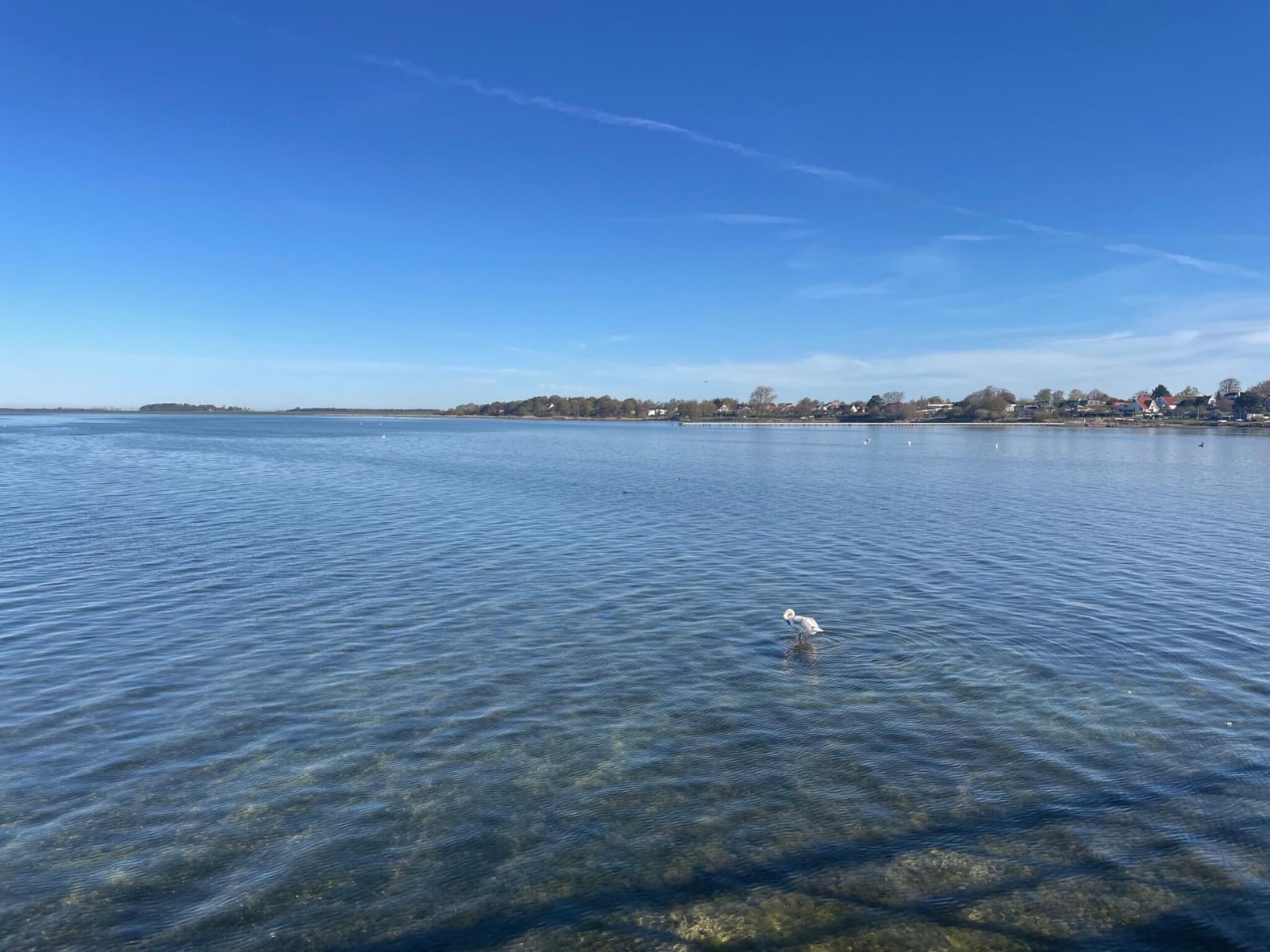
And as always, the favourite view… (and also here: see the mirror-like surface in some areas!)