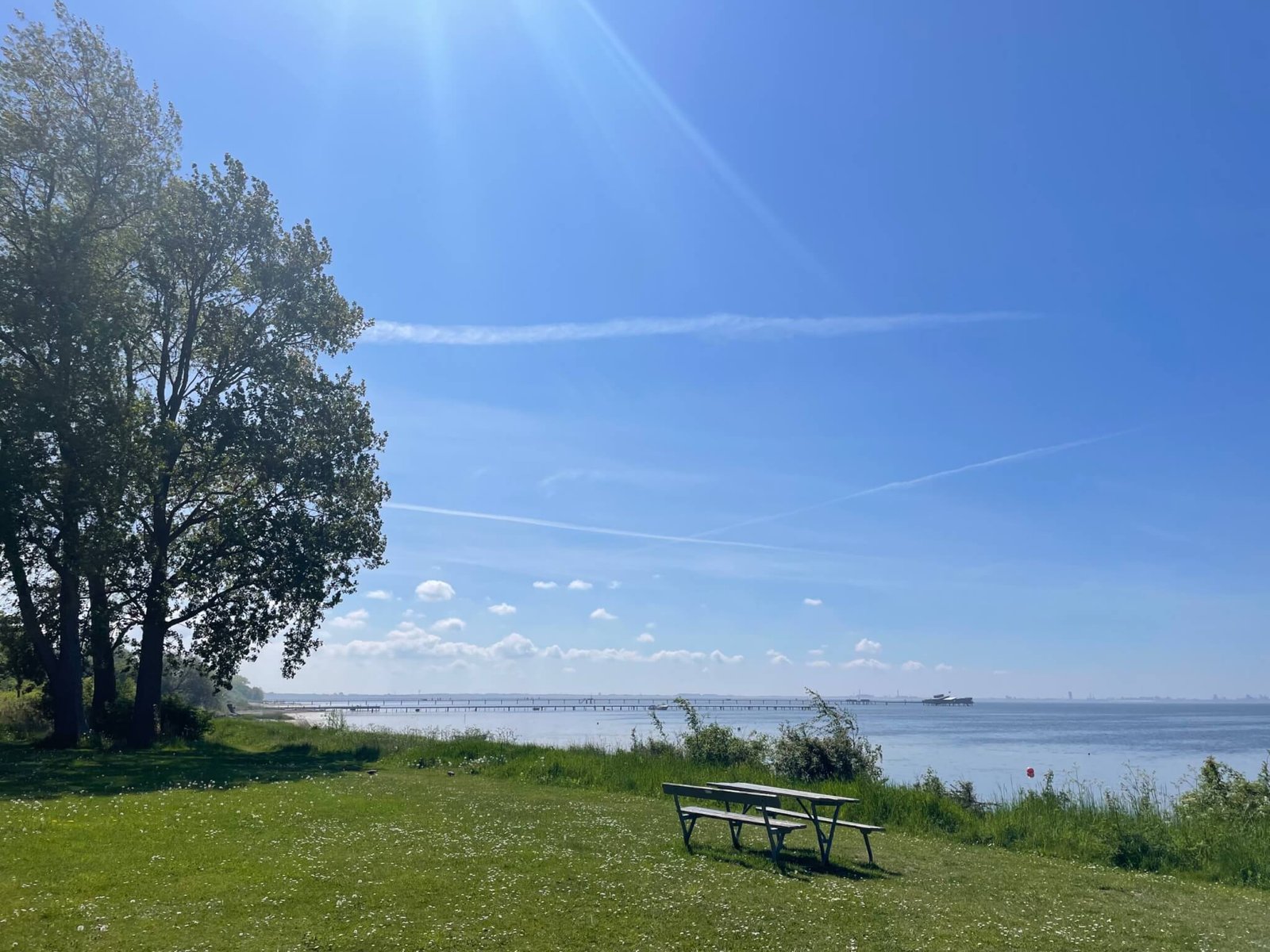
A first draft for a self-study module on eco emotions
I am preparing a self-study module for students in their 4th or 5th year in engineering programs taking a course on the polycrisis and the stuff they will have to deal with in their professional lives, and below is a first draft. This module is a voluntary offer for students in addition to in-person opportunities during the course. What do you think? I welcome all feedback! :-) (Please note: If you are using this as inspiration for your own students, please make sure you update the emergency contacts below, these are specifically for Lund!)
We live in worrying times, and the topics in this course might bring up many different emotions. Below, we suggest some ways of dealing with them.
If you are not sure if this module is for you…
…here is a quick listen on “how to be OK in a world that isn’t” that is useful for anyone, whether you are currently feeling ok or not.
The BBC podcast “All in the mind” has an episode on “How to be OK in a world that isn’t” where they suggest a daily 20 minute “worry window” “to get all our worrying done in one so we can enjoy the rest of our day“. I recommend listening to the first approximately 20 minutes (the second half is also very interesting, but on a different topic).
If you feel like there might be something about emotions that you would like to explore…
…please continue reading and exploring!
In the following, we will focus on eco- or climate-emotions, but the resources we share are relevant no matter what is causing anxiety and worry. There are three main phases that we typically run through one after the other (according to Pihkala, 2022): Before awareness and becoming aware of a problem, then a strong anxiety and deep depression phase of coping and changing, and lastly reaching some state of living with the crisis.
Before awareness
Before you know about a problem, it is as if the problem does not exist, at least not for you. However, when you become aware, often times it is not a binary switch between unaware and aware. There is often a phase of semi-consciousness where we might be aware on some level that there is a problem, but we try to ignore it (like that alarm clock we try to ignore or snooze for an hour). But at some point, the problem becomes impossible to ignore and we do wake up. Depending on the problem, and certainly for the climate crisis, once we are aware, the enormity of the crisis hits us like a tsunami.
Coping and changing: Strong anxiety and depression
Once we have been hit by the tsunami of realization, we enter a second phase. Typically, three modes co-exist here:
- grieving, which can include also other emotions, like anger to not being able to experience a lifestyle like the parent generation did
- distancing, which can be positive self-care (e.g. taking a day off from news), or negative avoidance (e.g. never looking at news to be able to continue living in denial)
- taking constructive action, for example joining demonstrations, signing petitions, learning more
In this phase, it is common to experience anxiety and depression. Further down on this page, we will explore how to cope with this phase and the next:
Living with the crisis: Adjustment and transformation
Also in this phase, there is a potential for anxiety and depression. But by now, we have learned to manage the three modes to some extent, for example, by making sure that there is some engagement with emotions, and that self-care is constructive. We will explore that more in the next section.
If you can relate to the anxiety and depression, it is important to know that you are very much not alone. Many people are experiencing difficult emotions related to the crises we are currently experiencing. Worldwide, 80% of young people report feeling at least moderately worried about climate change. This is highest for women, indigenous populations, and people from the global south. 45% of young people worldwide report that the worries have impact on functioning, for example causing trouble sleeping or dealing with social situations.
As always, you are very welcome to reach out to us if you would like to talk. If you urgently need support, please contact the EMERGENCY CONTACTS Lund University’s Student Health Center provides. Otherwise, continue reading.
Recommendations to explore to deal with climate anxiety
There are four helpful steps (based on Bryant, 2024) that we can run through iteratively and that we will explore in more detail below: Feel. Talk. Unite. Act.
Step 1: Feel.
Feelings come and go in waves. Depending on what you are experiencing right now, pick the paragraph below that best describes you. Remember that you can always come back to this page and explore the other paragraphs in other situations!
You have strong feelings right now and need help
In case of acute mental health problems, you should contact the emergency psychiatric clinic. Please seek help via these EMERGENCY CONTACTS (or others that you might have).
You have strong feelings right now and would like help coping with them, but it is not an acute crisis
- in English: Listen to this guided “tonglen” meditation, this guided meditation on facing the fear of climate change, or this nature meditation for climate distress (these and more suggestions come from here)
- in Swedish: Listen to Klimatpsykologerna’s guided exercise on dealing with acute climate anxiety (you might have to download the file to listen to it, or at least that is how it worked on my computer)
If you know of other good resources to link here, please send them my way so I can share with future student groups!
You have the capacity to explore your feelings right now
Many of us are not very good at recognizing and naming the emotions we experience, although this is a necessary first step for learning to cope with them. It is interesting to explore our emotions in different contexts, for example with the Climate Emotions Wheel (third page in the linked pdf). Even difficult emotions are not necessarily negative. All emotions have something to tell us, and also unpleasant emotions can drive us to do constructive work in the world. In the linked resource, there are definitions of many different emotions (e.g.: “Outrage is a powerful form of anger that results when boundaries are crossed and harm is done. Climate outrage is generated by profound injustices, making it different from aggressive rage or primal fury. It can give us energy to serve and commit to a higher purpose.“) and relating questions to reflect on (e.g. “How to channel outrage into determined resistance?“), I encourage you to explore it.
It is also important to notice our emotions about the world not just when climate anxiety is acutely triggered, but for example when going for a walk in nature, or cooking a favorite meal, enjoying time with friends and family, smelling fresh soil in the rain, reading for this course. What is it that we are feeling, can we name the emotion? What is the feeling trying to tell us about what matters to us and what we are missing? And how are we reacting to the feeling, for example by trying to drown it out through TV, doomscrolling on our phones, eating?
Step 2: Talk.
In the next step, it is really important to find people to talk with. Maybe your friends and family, maybe your peers and us instructors in this course. You are more than welcome to contact us and we hope that you can also connect with (some of) your peers on this topic! It doesn’t necessarily have to start out with the really heavy conversations, it could also start out talking about joyful experiences. We are trying to create opportunities for connection in the course, but whether they lead to good conversations also depend on you!
Sometimes a good way to start conversations is to have a shared experience related to the topic, or some external input that you can discuss. In Lund, you could, for example, invite someone for a
- nature hike (good map is for example naturkartan, and hitta ut or geocaching are fun and playful ways to be in nature)
- walk in the Botanical Garden (they have guided audio tours that are really “only” about plants etc)
- “future walk” in Falsterbo or at another beach (guided audio in English or Swedish, that explores different futures of coastal communities under climate change)
- forest walk “time of the forest” (introduction to guided audio in Swedish on youtube, more links from there)
Independent of place, you could take websites, videos or texts as basis for your conversations, for example
- the virtual “Fossil Museum”
- Rutger Bregman discussing bullshit jobs and moral ambition (watch on youtube or read the book)
- Margaret Heffernan’s TED talk on “Dare to disagree”
- Erica Chenoweth’s Ted Talk “The success of nonviolent civil resistance”: This is an awesome, inspiring testimonial of someone who liked looking at things blow up but who then did the research to compare success rates of violent vs non-violent protests and found that non-violent protests are twice as likely to succeed as violent ones, and if a movement gets 3.5% of the population actively engaged over a period of time, they have historically always been successful (sometimes even with fewer people).
- the four denials
Or, of course, any of the resources we share with you in this course! And if you think of anything we should add to these lists, please let me know!
Step 3: Unite.
It is important to not just have the occasional chat with people as suggested in step 2, but to go further and find a community that cares about the same things as you. This community could look very differently depending on what you like to do: a book club on climate fiction, a group that goes hiking, people volunteering to collect trash, planting eel grass with your freedive buddies, a group that plays serious games, a team that volunteers in a repair café, …
Of course you can start from the person or group you are already talking with in the previous steps, start a new group on whatever you would like to be a part of, or join an existing group.
Websites for active groups in Lund are surprisingly difficult to find, a lot of initiatives seem to have last been active online at the beginning of the pandemic. I am hoping to extend this list over time! Examles could be
- Hållbart Universitet offers for example a book club on “visioning sustainable futures through fiction” and “make and mend” sessions
- Interkultur (in Swedish) is looking for volunteers, for example to speak Swedish with Swedish learners
- Circle Centre Lund is all about sharing goods, ideas, and skills
- Sustainability Hub brings together “different initiatives that want to make Lund (and the world) a better place” and have a lot of information about different groups in their window (back of stadshallen)
- Fridays for Future Lund is more active than their website, apparently mainly on Facebook and emails (and on stortorget every Friday 12-14)
- Matvarukooperativet looks for volunteers to organize meetings, pick up produce from farmers, etc
- Lunds Fontänhus is also a great way to meet people
Do you have other suggestions? Please let me know!
Step 4: Act.
This step is about doing something that makes you feel better in the long run. Often, things we do for our community make us feel better and that is definitely worth exploring. The first time you have arrived this step (and possibly also the second and the third), exploring any constructive action might make you feel better — our goal right now is to help you cope with climate emotions. So one first action could be to go on a bike ride in nature, or write a climate poem, or go paddle on a river, or sketch a flower; anything to remind yourself of what you love about nature and being alive and why it is worth protecting. Make sure that this is something that is meaningful and/or creative and don’t let yourself be sucked into avoidance pattern like doom-scrolling or shopping therapy.
Ultimately, what will help you deal with climate emotions is to work on the roots of the problem, and there are many ways to do this. It can, but does not have to, be getting involved in activism (and even then, there are many different ways to be involved: Someone needs to buy the fika or draw the banners. Someone needs to book meeting rooms or print flyers. Someone needs to do the research so that action is based on the latest research. Someone needs to bring new people into the network. Someone needs to be the media contact or run the social media accounts. Etc.)
If you are interested in doing something bigger to make the world a better place, a really great, low-threshold resource to know yourself, work with others, design for change, and make it last is this Step up pocket guide to social change for young leaders. A much bigger and equally helpful resource is the book Psychology of Collective Climate Action: Building Climate Courage.
No matter how big or small your first action, your journey does not end here — throughout your day, pay attention to what you are feeling. Talk about it. Unite with others. Act some more. And repeat!
P.S.: We are aware that feeling that the university isn’t taken concerns seriously can contribute to higher anxiety levels and agree that “[u]niversities have a responsibility to ensure they do not increase climate change-related harm to students’ wellbeing through carbon-intense practices. Instead, implementing more climate mitigation practices and psychosocial support may benefit students’ mental wellbeing.” (Hill-Harding et al., 2025). We are working on it!
- The process we describe above of how eco emotions develop is based on: Pihkala P. The Process of Eco-Anxiety and Ecological Grief: A Narrative Review and a New Proposal. Sustainability. 2022; 14(24):16628. https://doi.org/10.3390/su142416628
- The model “Feel. Talk. Unite. Act.” is from the chapter “Balancing feelings and actions” by Bryant in the book “The existential toolkit for climate justice educators: How to teach in a burning world” (2024) (Edited by Jennifer Atkinson and Sarah Jaquette Ray, Oakland, California, University of California Press, 2024, ISBN 9780520397118)
- Emergency contacts are provided and updated by Lund University’s Student Health Center
- Yale hosts a great collection of climate anxiety resources, including the guided meditations I am linking to above
- If you prefer reading in Swedish, Klimatpsykologerna have a resource on dealing with (eco) emotions. They use the image of three scoops of ice cream — dealing with feelings, acting together, and recovery — that should be embedded in a cup of social support and community, and share exercises that can help balance the different approaches. They also have guided exercises (in Swedish) on dealing with acute climate fears and social support.
- The Climate Emotions Wheel is published in: Pihkala, P., & Kamenetz, A. (2024). A guide to climate emotions. Climate Mental Health Network: California, CA, USA. (access here)
- Really great resource to know yourself, work with others, design for change, and make it last: UNFPA’s Step up pocket guide to social change for young leaders. United Nations Population Fund (2021).
- A book on collective climate action: Hamann et al. (2025). The Psychology of Collective Climate Action: Building Climate Courage. Taylor & Francis. Free download here.
- Research on how universities can support students experiencing climate anxiety: Hill-Harding et al. (2025). Beyond symptomatic support: Students’ emotional experiences with climate change and how universities can help [Author Accepted Manuscript]. Global Environmental Psychology.
Some pics from today’s dip!
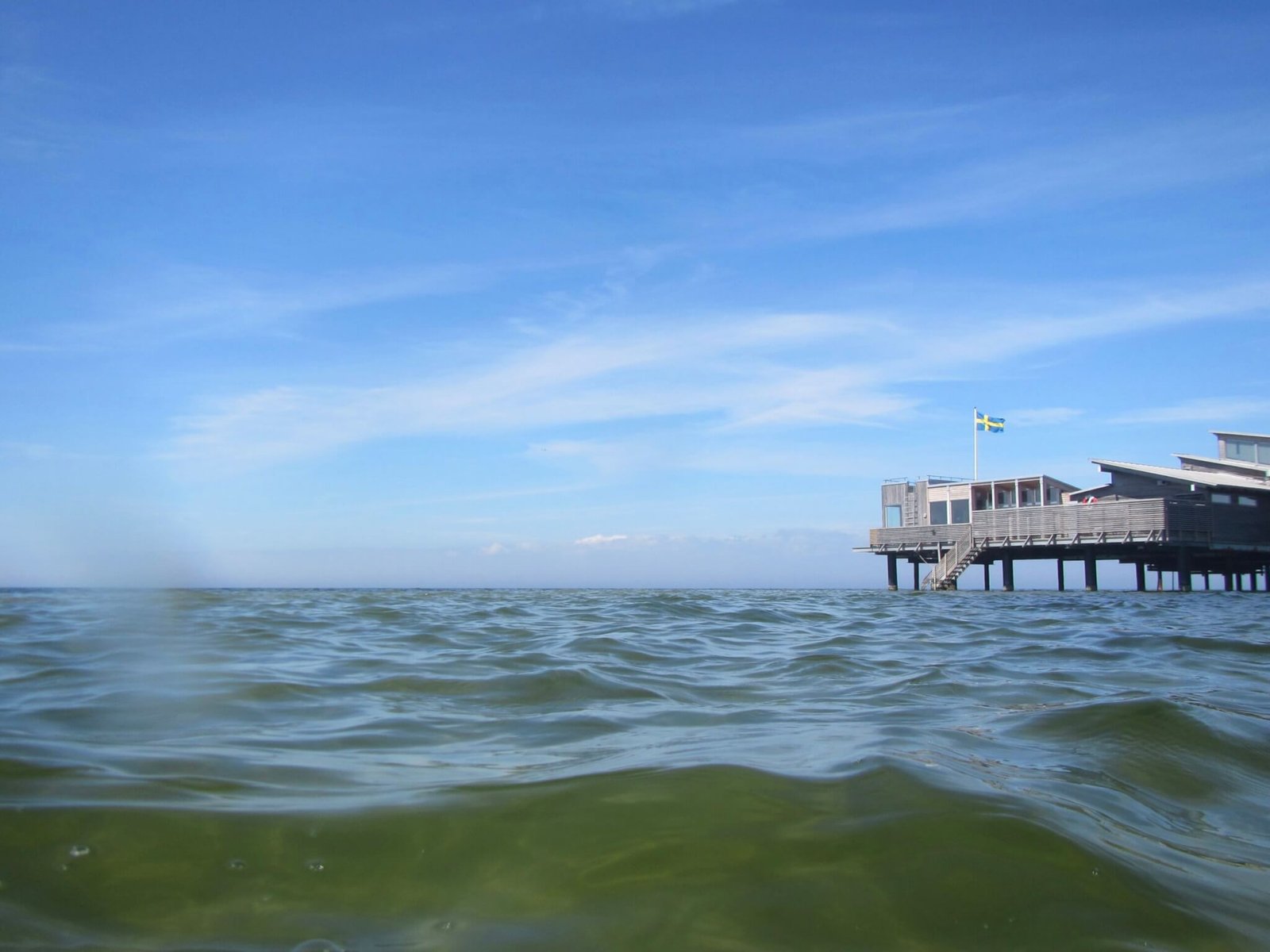
When will I learn to clean my lens…

Loooove sunny water!

Really looks like summer today!
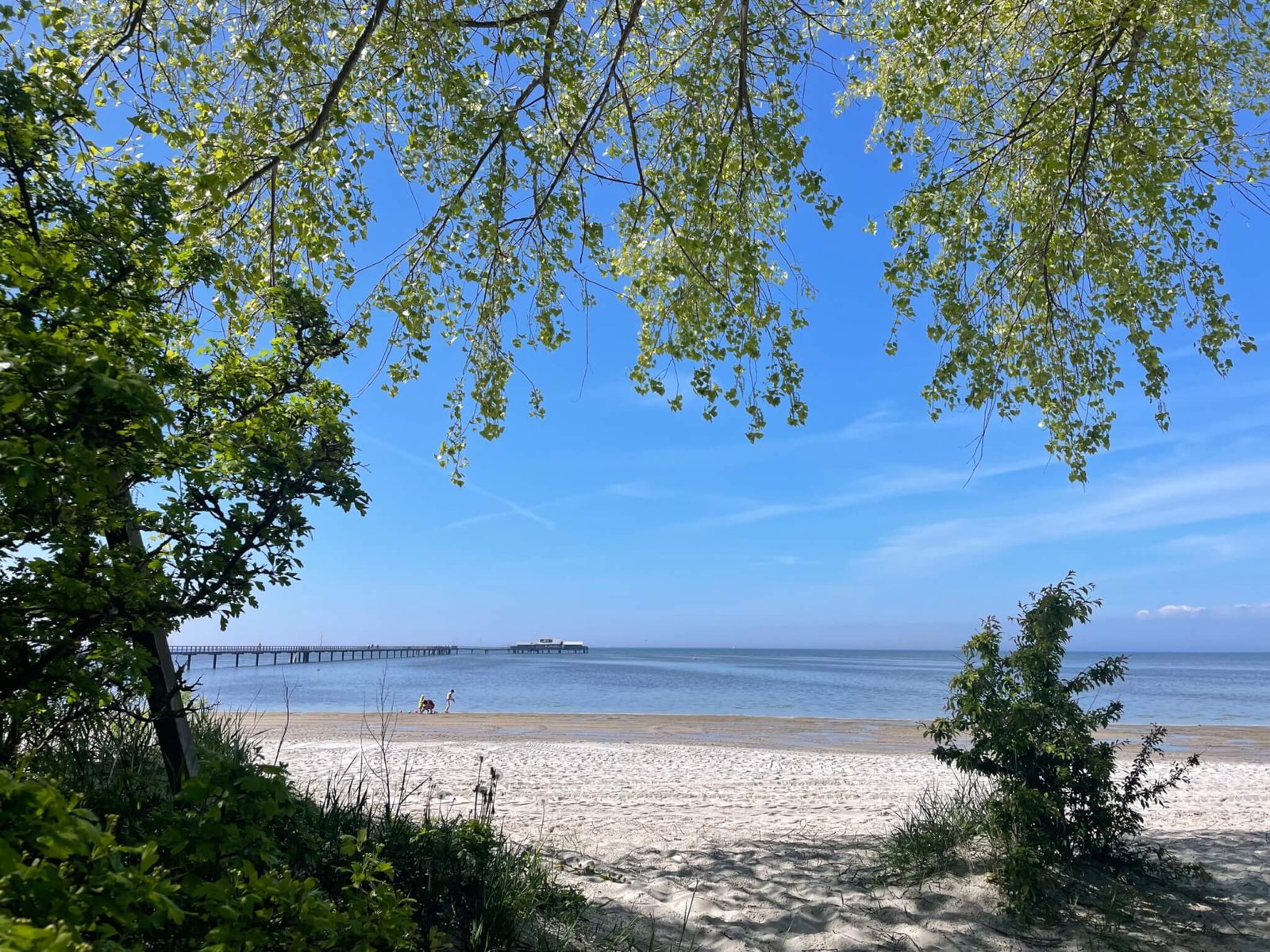
And the favourite place…