Currently watching: the webinar “Ahead of the curve: how two European universities are rethinking online learning”
I am currently playing with FeedbackFruits as a plugin in our LMS, Canvas, mainly because they offer social annotation features to documents and videos and I am super curious about those, and then I am generally very interested in asynchronous online teaching and learning and how to make it a joyful experience. So the FeedbackFruits-hosted webinar “Ahead of the curve: how two European universities are rethinking online learning” seemed like something I should catch!
I am also currently about halfway through Flower Darby’s book “the joyful online teacher” (which I love so far! Blog post about that coming soon, but in a nutshell: it is very similar to Rachel’s best teaching advice: “look like you actually want to be there”) and very much into how to make online asynchronous work well, in preparation for our MOOC but also just because I think that is super interesting. So therefore I am mainly thinking about how FeedbackFruits can support relationship building and cooperation, and was very excited when both speakers very early on mentioned they were building a “community of practice” and working on “sense of belonging” (both concepts that are very important in my work), and bringing the university culture in the online space (that also sounds intriguing and very challenging!). However, it turned out that the focus of the webinar was very much on the analytics provided by the tool, and using them to nudge students “in the right direction” (meaning towards visible engagement [and read more about the tyranny of participation here, it is very easy to slide into that territory!]). It can of course be a good idea to keep track of whether students are engaging with materials and use that information to nudge “at risk” students to re-engage, even automated and at scale, but I think the important part has to be that it should not feel automated, but as if someone actually cares about the student, and it would have been interested to hear a bit about how that can be done, for example what kind of language one could use, whether to send it directly in the system or via email, etc.. It is also unclear to me how much student engagement within a LMS still says about anything, seeing that AI is easily available everywhere. One university had implemented student engagement awards based on those metrics (and if they have attractive prices connected to the awards, that would feel like an incentive for artificially tuning those metrics that I can much more easily relate to than cheating on the academic side of things. Play stupid games, win stupid prices… [I think in that case it actually only contributed 10% to their final grade, so not that exciting…]).
When I asked for examples of the tools and instructions used for the community of practice and sense of belonging work, so how concepts that the speakers had explicitly mentioned themselves were implemented, the webinar had already run over time and the answers were a bit rushed and underwhelming: Having a name attached to a student comment so students can see each others’ views. Enable collaboration in FeedbackFruits. Ask students for information about themselves to be able to form good groups that have a high chance of functioning together: which time zone are you in; do you want to meet live or work asynchronously; psychometric data like do you feel you are a leader or follower; etc… Scaffold work in action learning sets: Draft version, peer-review, group-member evaluation. In themselves probably all good ideas, but not nearly sufficient to build a community of practice (there are a lot of steps and work involved in building one of those, according to both theory and our own work in creating one).
When it comes to belonging, Torgny shared a really interesting resource with me yesterday: the project “belonging to and beyond the digital university” has created cards with illustrations, definitions, and quotes, capturing the 11 themes they found in their research on student belonging. What I really liked there is that they also explicitly include non-belonging, which is so important to acknowledge. Not everybody can or wants to belong everywhere all the time! And again — fostering a sense of belonging is a lot more complex than having a name posted with a comment.
So, did I get from the webinar what I had hoped for? No. Did I find it upsetting when people talked about learning styles as if they exist, even though they have been debunked for a long time? Yes. Do I still think that the actual tools offered by FeedbackFruits are interesting for us to consider? Most definitely (even though I am really only interested in the interactive documents and videos; for the other uses I have tools in place that work just fine)! But I think we need more and better conversations about how to use those tools in ways that aren’t about controlling students, or about making them jump through all kinds of hoops so we can think that we see “engagement”, but about actually supporting learning. And with this, I am returning to the “joyful online teacher” book. Because asynchronous online is fun, and if more teachers approached it that way, maybe students would have better experiences, too, and actually want to engage!
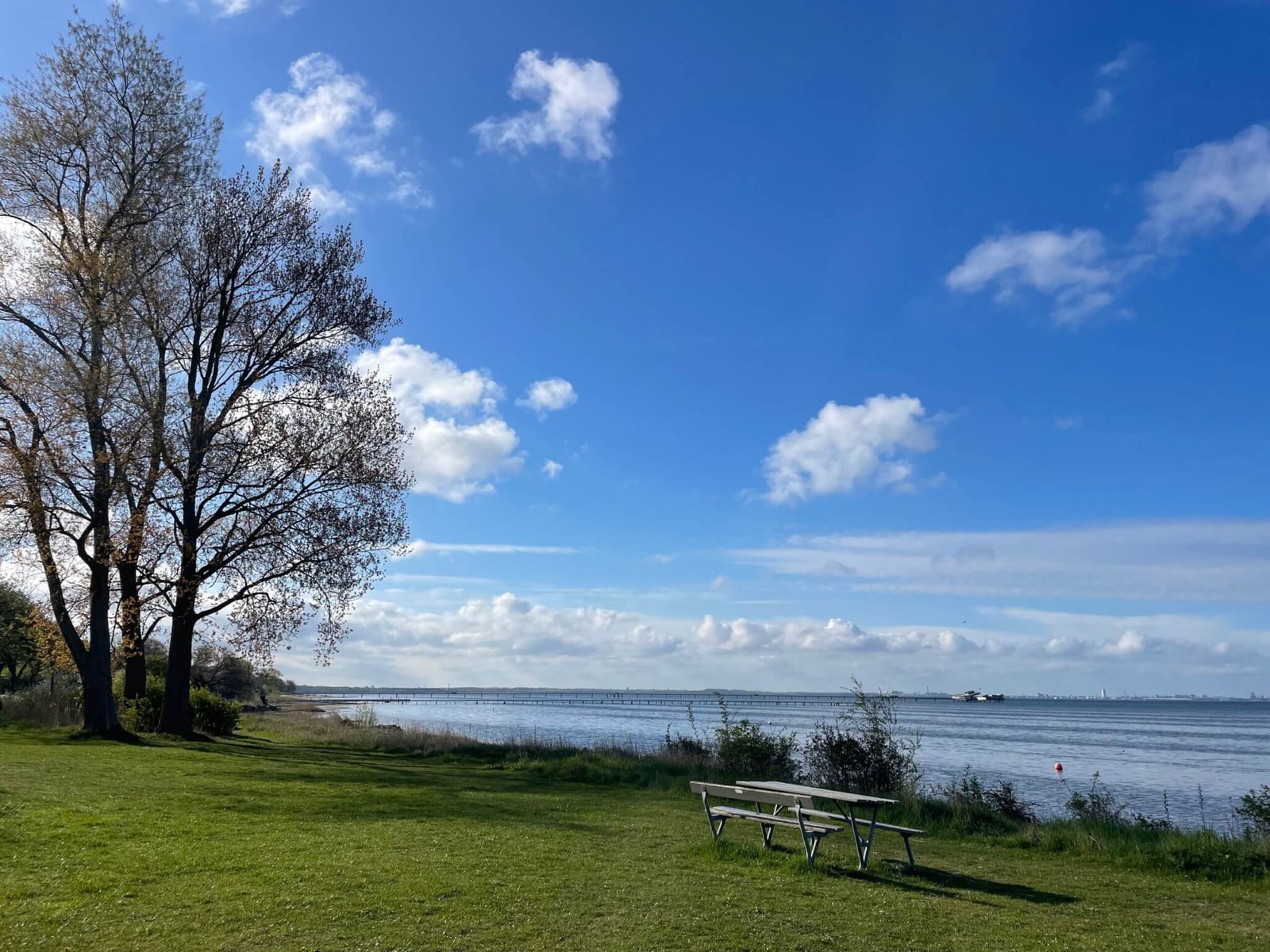
I am not sure if it was this hazy or if my lens was just dirty? Anyway, when I took a picture in the same spot on my way back from this morning’s dip, it resulted in this post’s featured image…
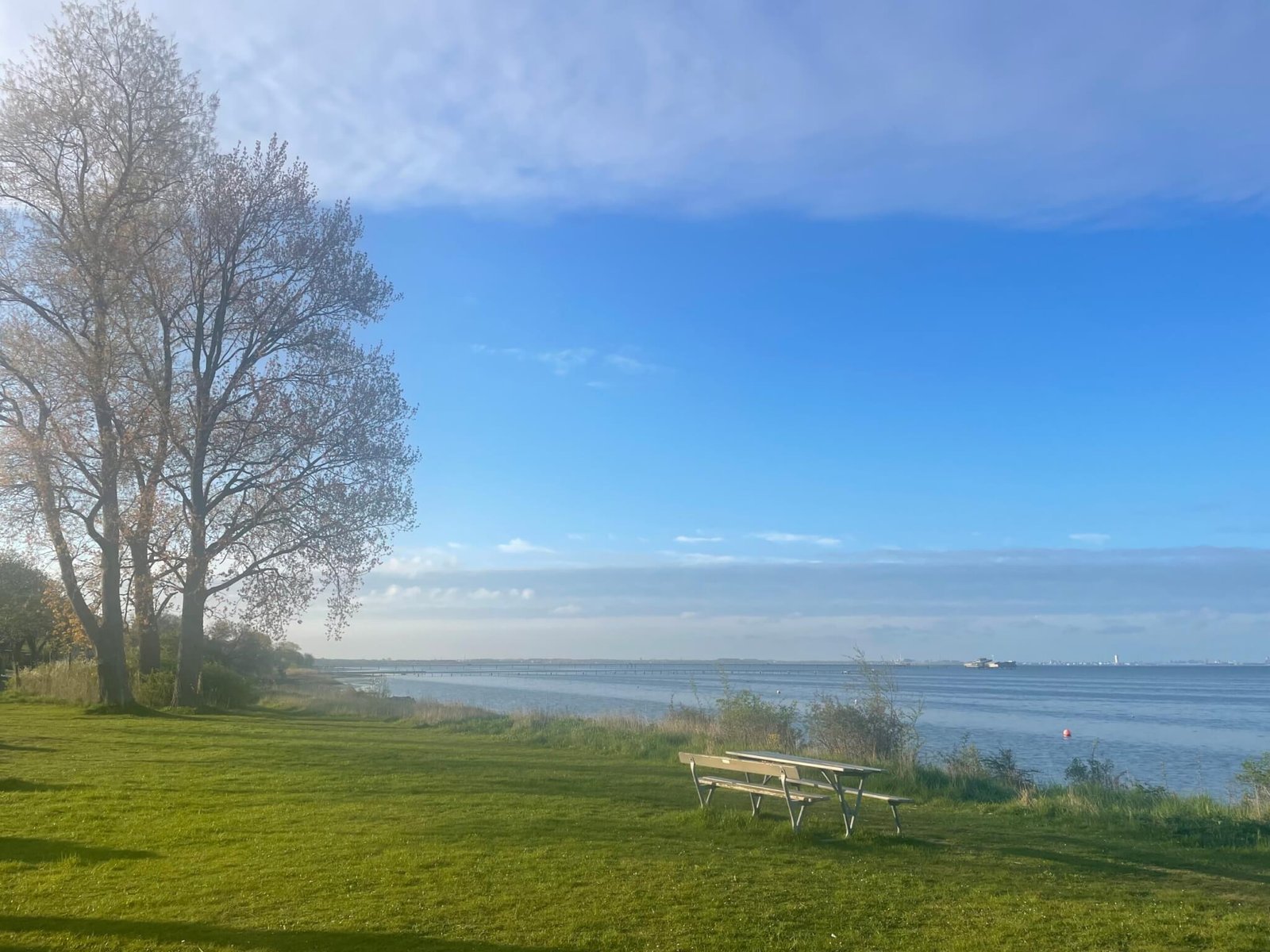
But the dip was awesome!

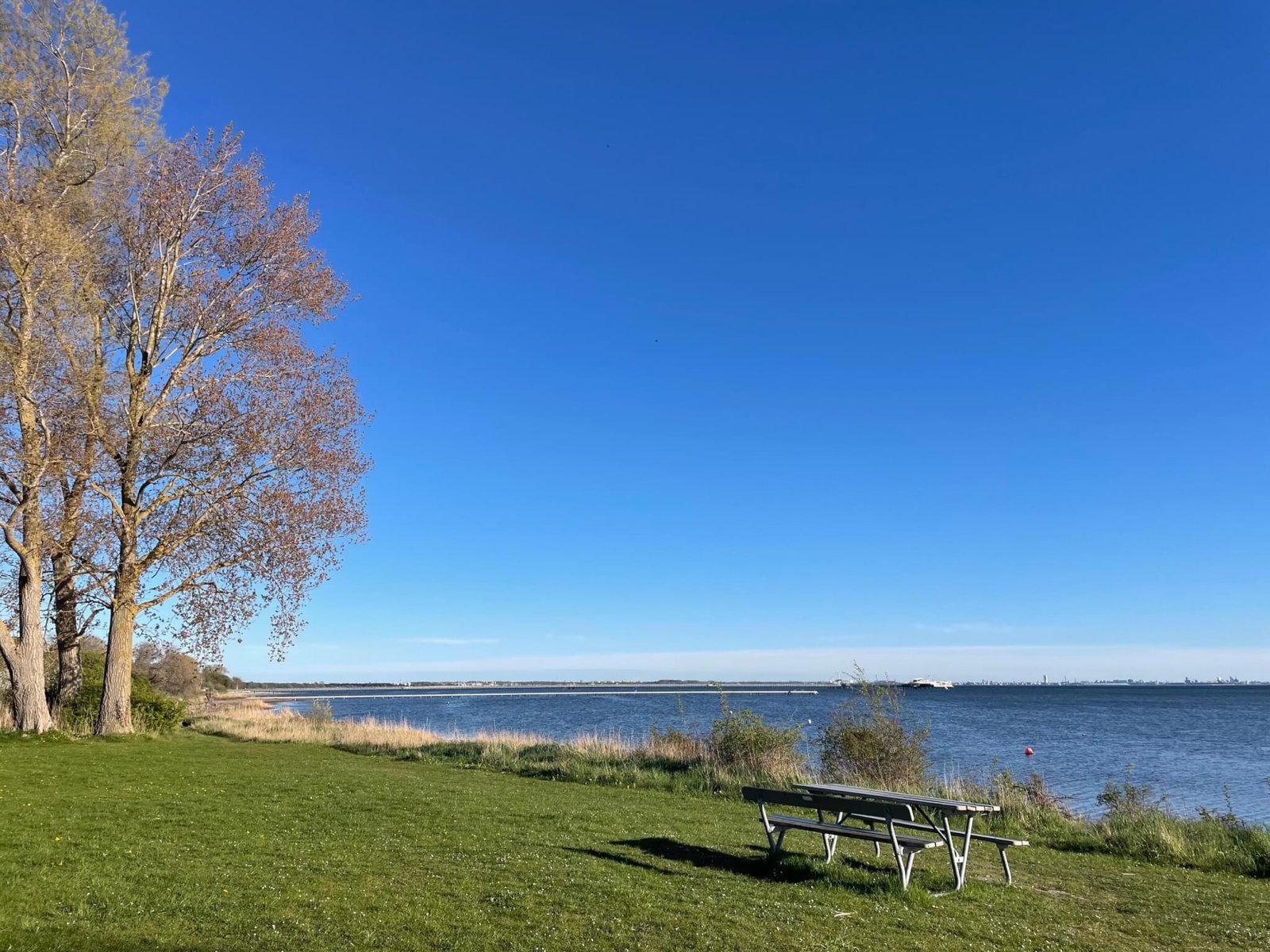
And I am so excited about seeing leaves on trees again! And especially on these, that are a) the ones I most commonly take pictures of, see above, and b) slightly behind the curve
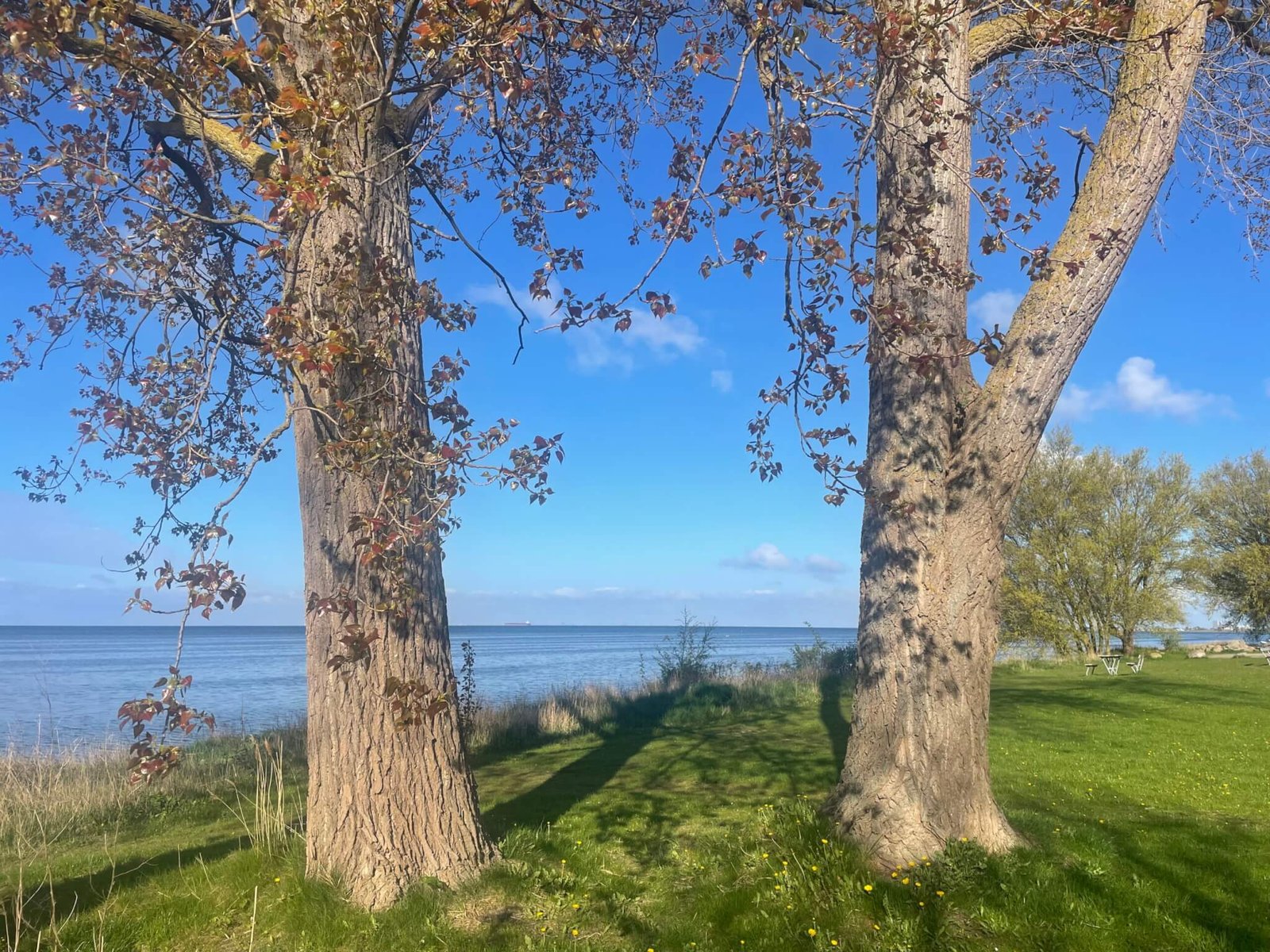
And then in the afternoon, I had to go dip again…
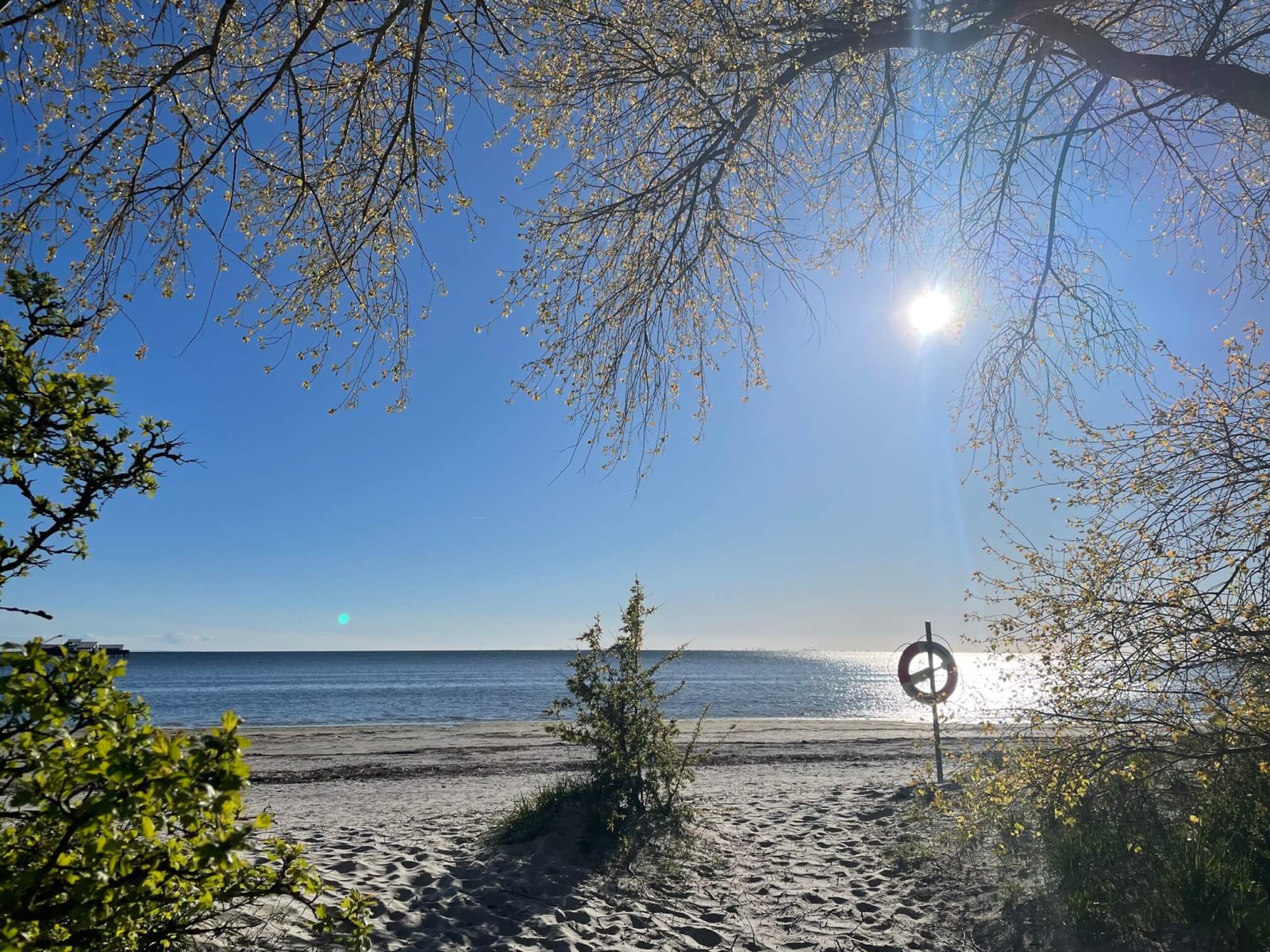
There is no such thing as too much time by the sea!
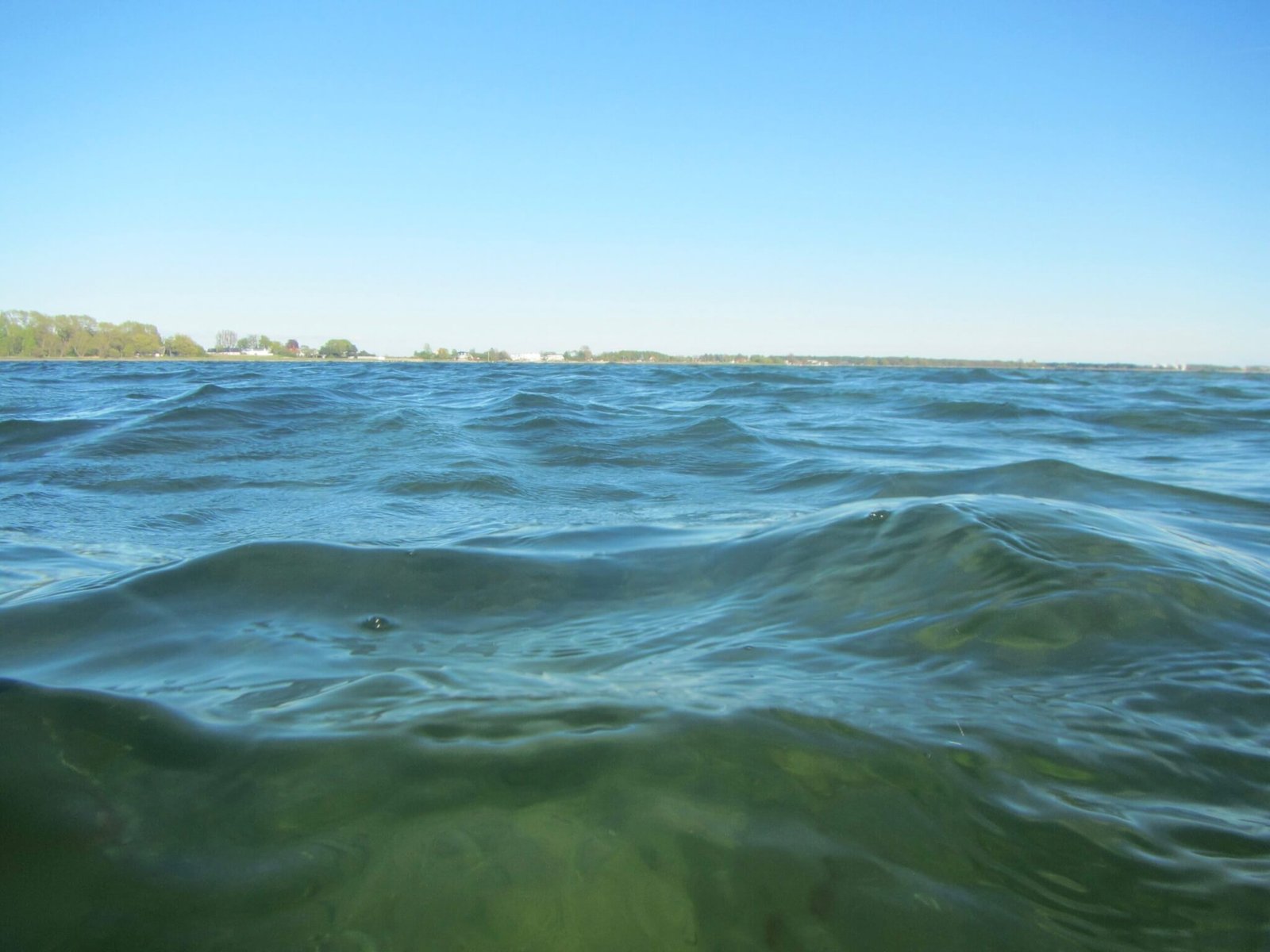
Or in the sea

Third picture of this view today. Seems the trees are getting greener by the hour!


Kathrin Z. says:
Hi! I am currently experimenting with Feedback fruits and enjoyed reading your report here – thank you! And I could not agree more with your comment about no such thing as too much time being in the sea (or a lake):-)