Currently reading Klockner et al. (2021) on “Pragmatism as a teaching philosophy in the safety sciences: A higher education pedagogy perspective”
I like to think of myself as fairly pragmatic, so I was intrigued about the body of literature that uses pragmatism in SoTL or teaching and learning more generally. While I found a lot of it to be a slightly more elaborate version of “do the best with what you have”, so really not very helpful at all, I enjoyed reading Klockner et al. (2021) and am certain that I will refer to them often in the future!
Klockner et al. (2021) write that “pragmatism holds the view that the research question that needs to be answered is more important than either the philosophical stance or the methods that support such stance” (my emphasis). They suggest that this works well as teaching philosophy in safety sciences where mixed-method approaches are common and the focus is on praxis and problem solving (and I believe that it is much more widely applicable than that, for many sustainability-related questions!).
They write that “[p]ragmatism is the philosophy of common sense. It uses purposeful human inquiry as a focal point. Inquiry is viewed as a continuing process that acknowledges the qualitative nature of human experience as problematic situations emerge and are recognized. Recognition involves the doubt associated with questioning existing belief systems. Doubt is resolved through critical reasoning and ultimately tested in action. It is the philosophy of common sense because actions are assessed in light of practical consequences. Finally, inquiry is not necessarily limited to an individual effort, rather it often incorporates a ‘community of inquirers’.”
While evidence-based practice frameworks are often useful, they are not always be the single best pedagogical lens, especially when evidence only exists in response to questions that didn’t arise from what practitioners needed answers on. In pragmatism, theory is understood as tool for practice. Klockner et al. (2021) describe this based on Dewey: “John Dewey used a map metaphor to describe the role of theory, whereby a map is not reality, but it is judged by its ability to help a traveller reach their chosen destination“, so then the map should be produced for where people actually want to travel, not for where a map-maker has their favorite spots to draw.
A pragmatic framework that seems to be used often is the “4 Ps”: Practical (solving actually relevant problems), pluralistic (approaching the phenomenon from multiple perspectives), participatory (including different stakeholders from the wider community), and provisional (iterating exploration and revision). And I love all of this, I think I found my theoretical home :-D
I also really like how Klockner et al. (2021) write about how they meet their students: “Higher education safety science pedagogy should be embedded in the notion that most of the students who attend come with some depth of practical experience and practical wisdom whom the academe should treat as lifelong learners and researchers“. The typical students in safety sciences might be practitioners returning to university after decades in the job, but I think this approach works well even if we think about teaching more traditional students (who are much less traditional and much more diverse these days anyway), and in any case it is good to acknowledge that students have experiences and backgrounds and interests and work with those.
So really happy I found this paper and this teaching philosophy!
Klockner, K., Shields, P., Pillay, M., & Ames, K. (2021). Pragmatism as a teaching philosophy in the safety sciences: A higher education pedagogy perspective. Safety science, 138, 105095. https://www.sciencedirect.com/science/article/pii/S0925753520304926
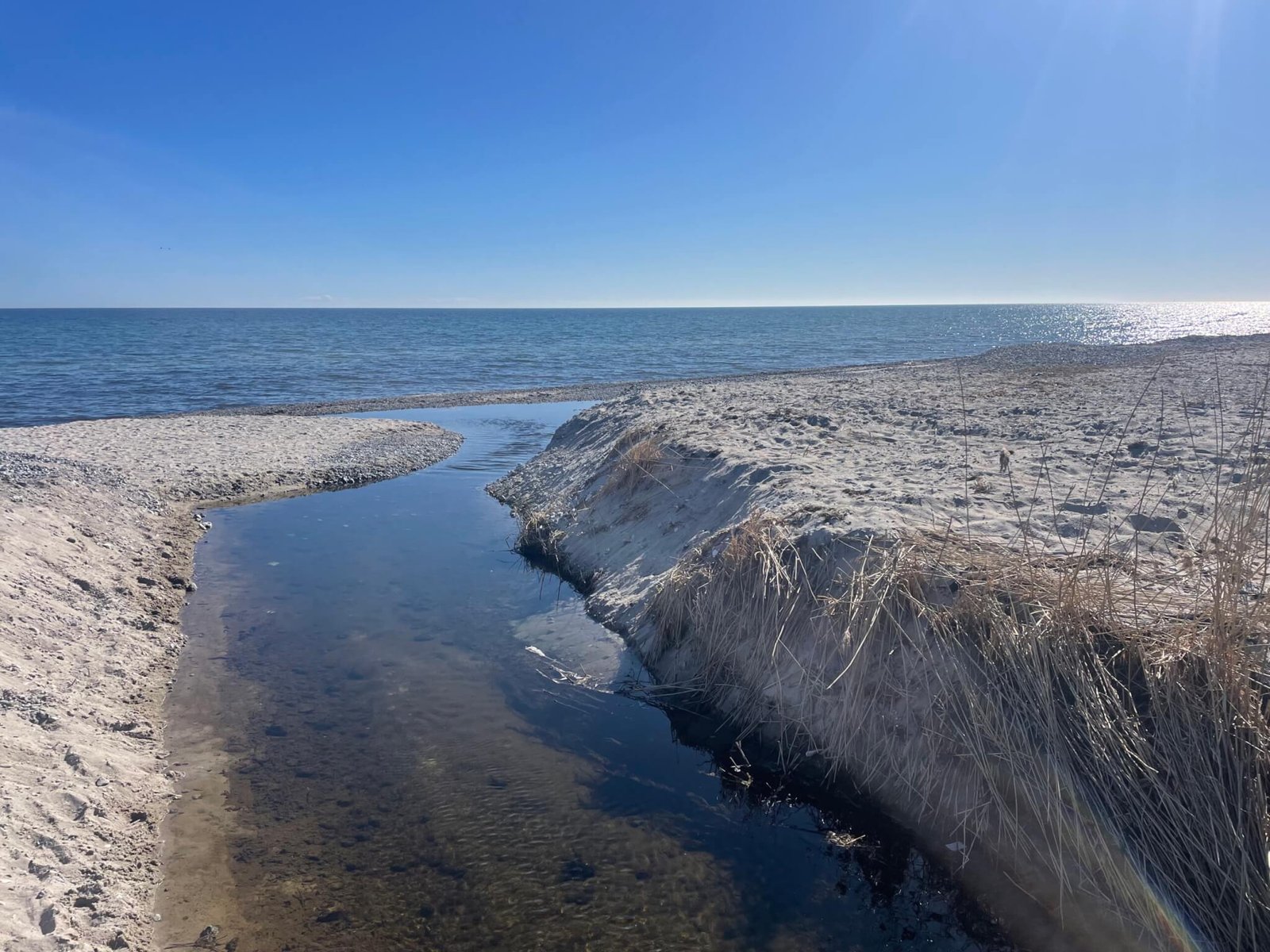
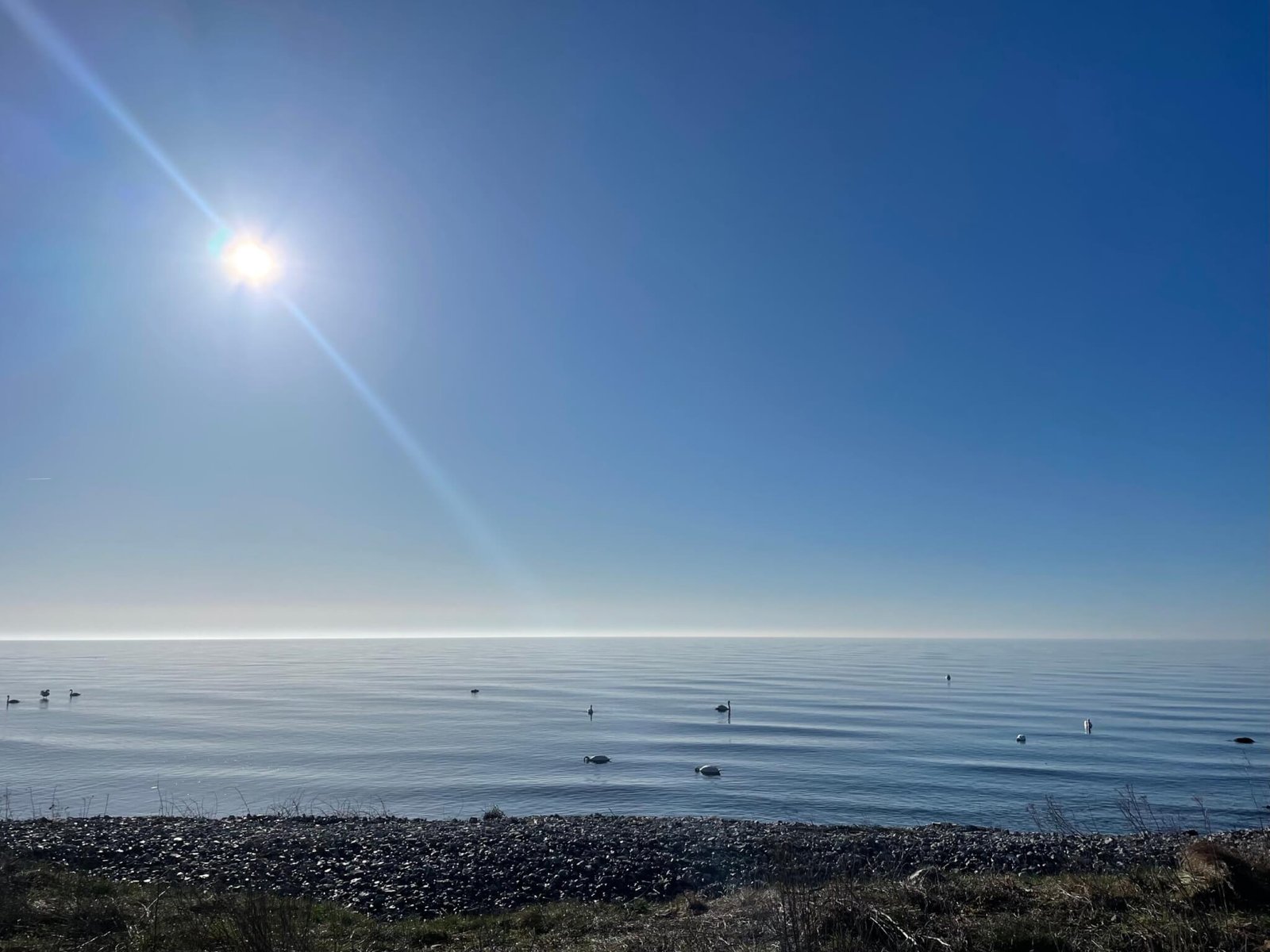
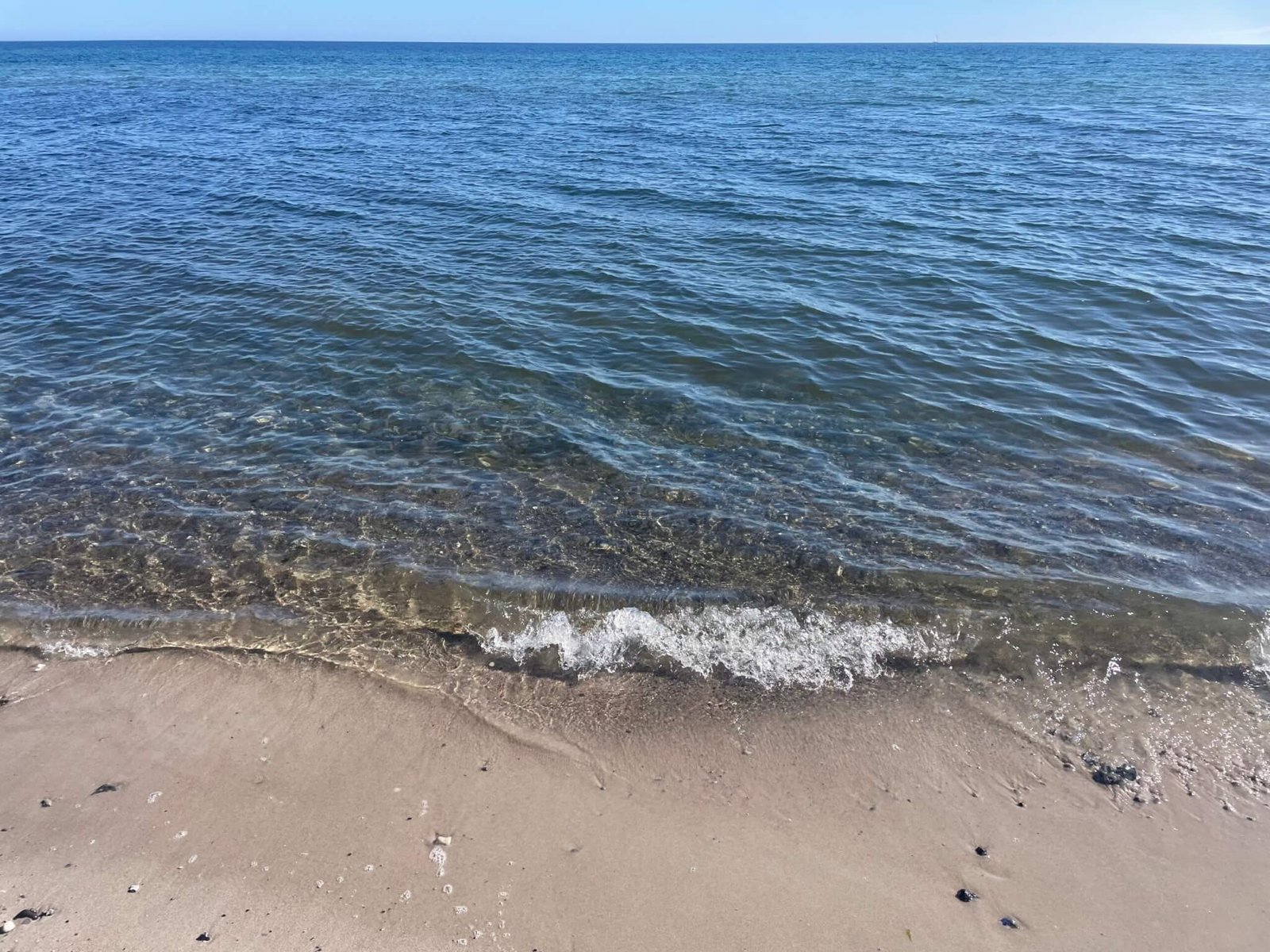
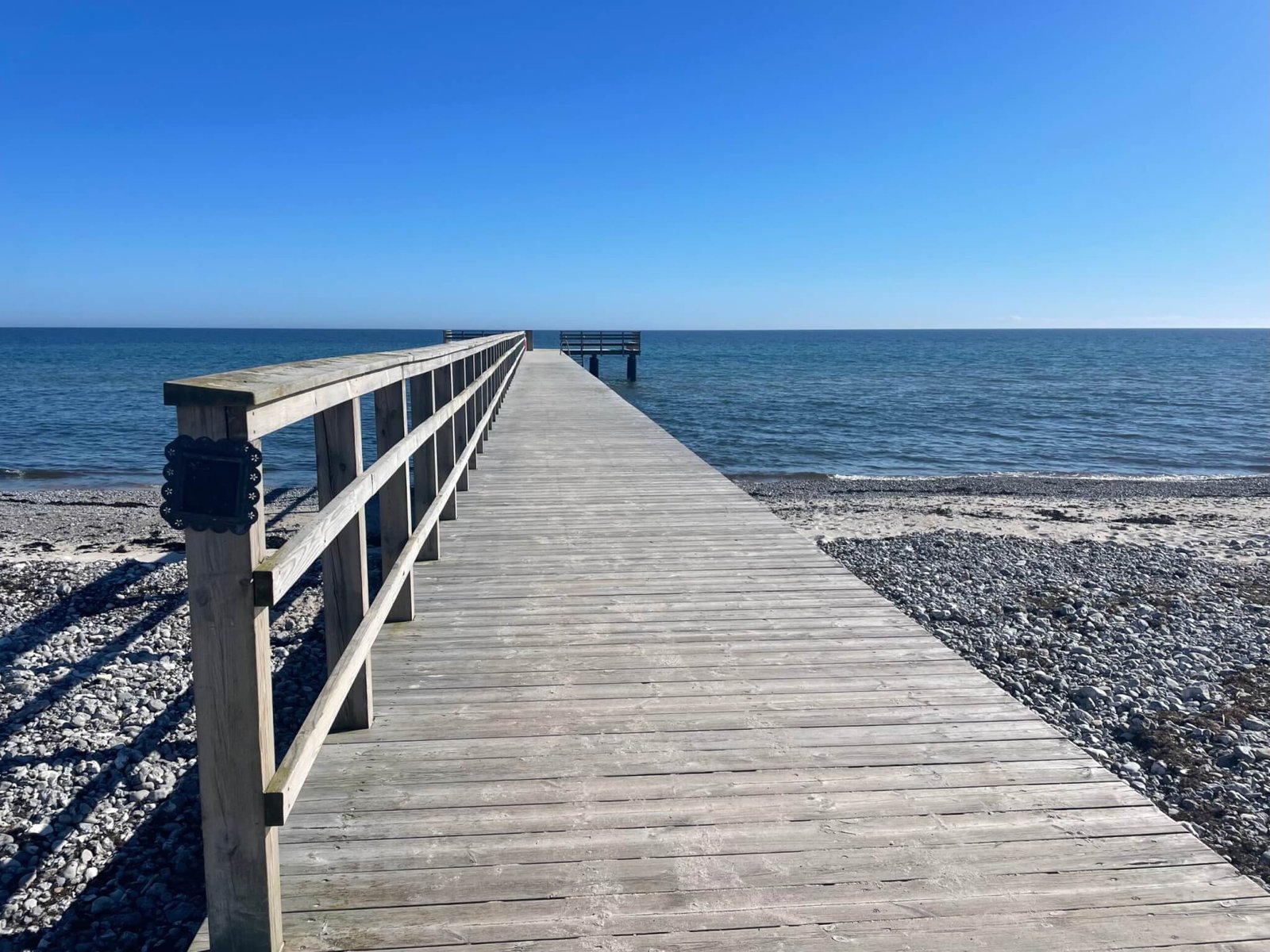
I am still posting Easter pictures… This one from a walk at Smygehuk, Sweden’s southernmost point.
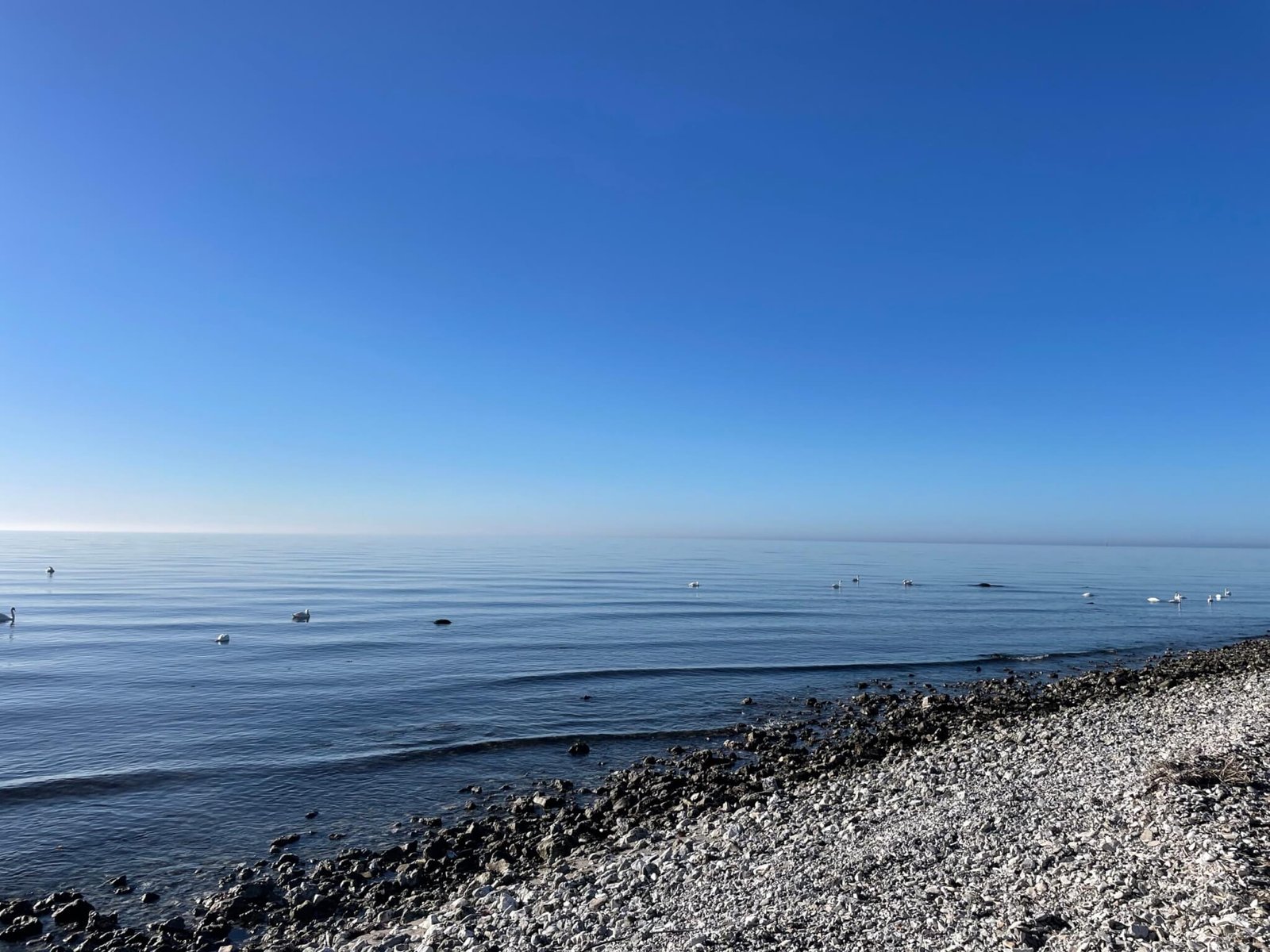
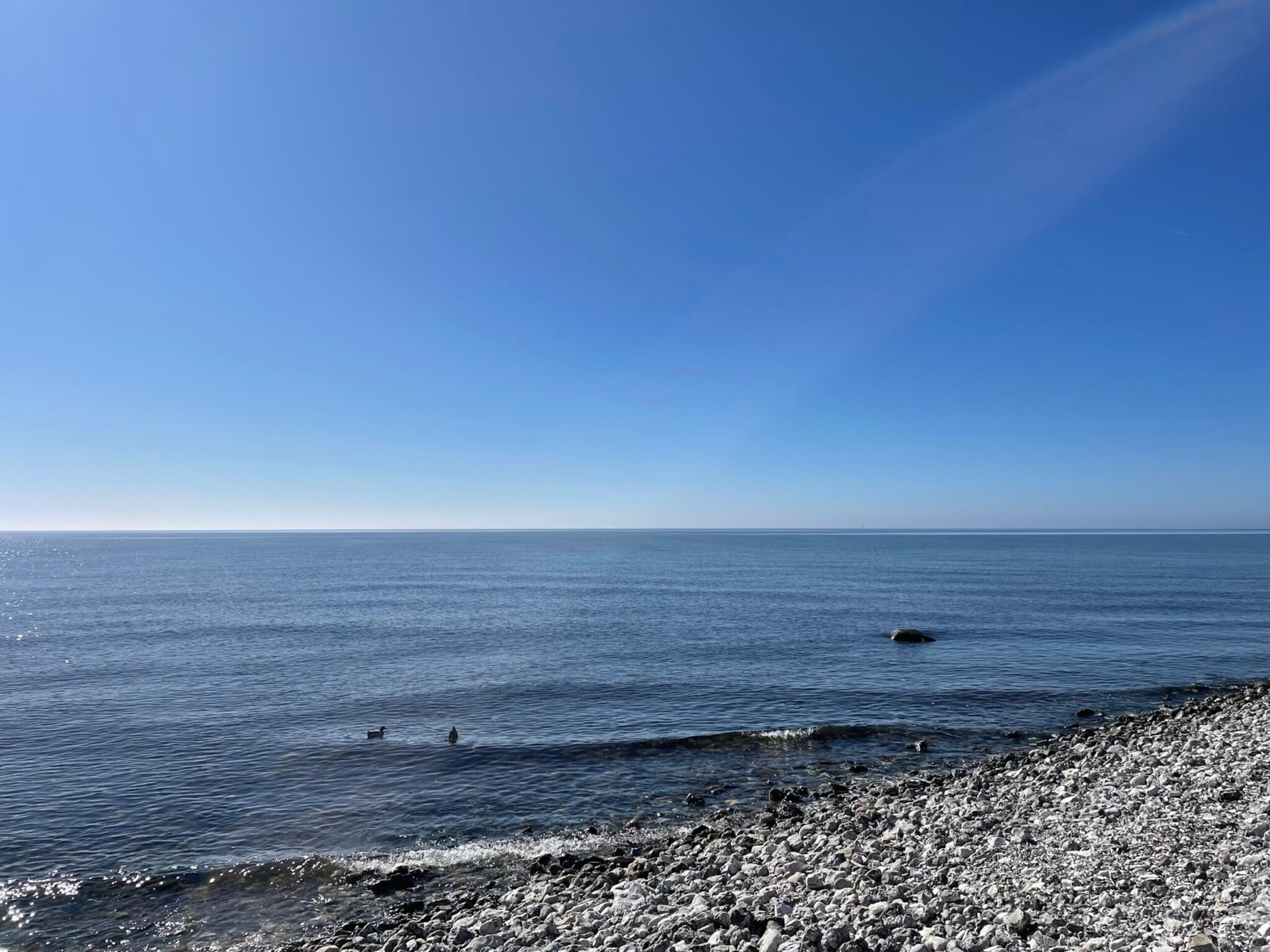
As much as I love waves, I also love the calm of the sea with hardly any waves
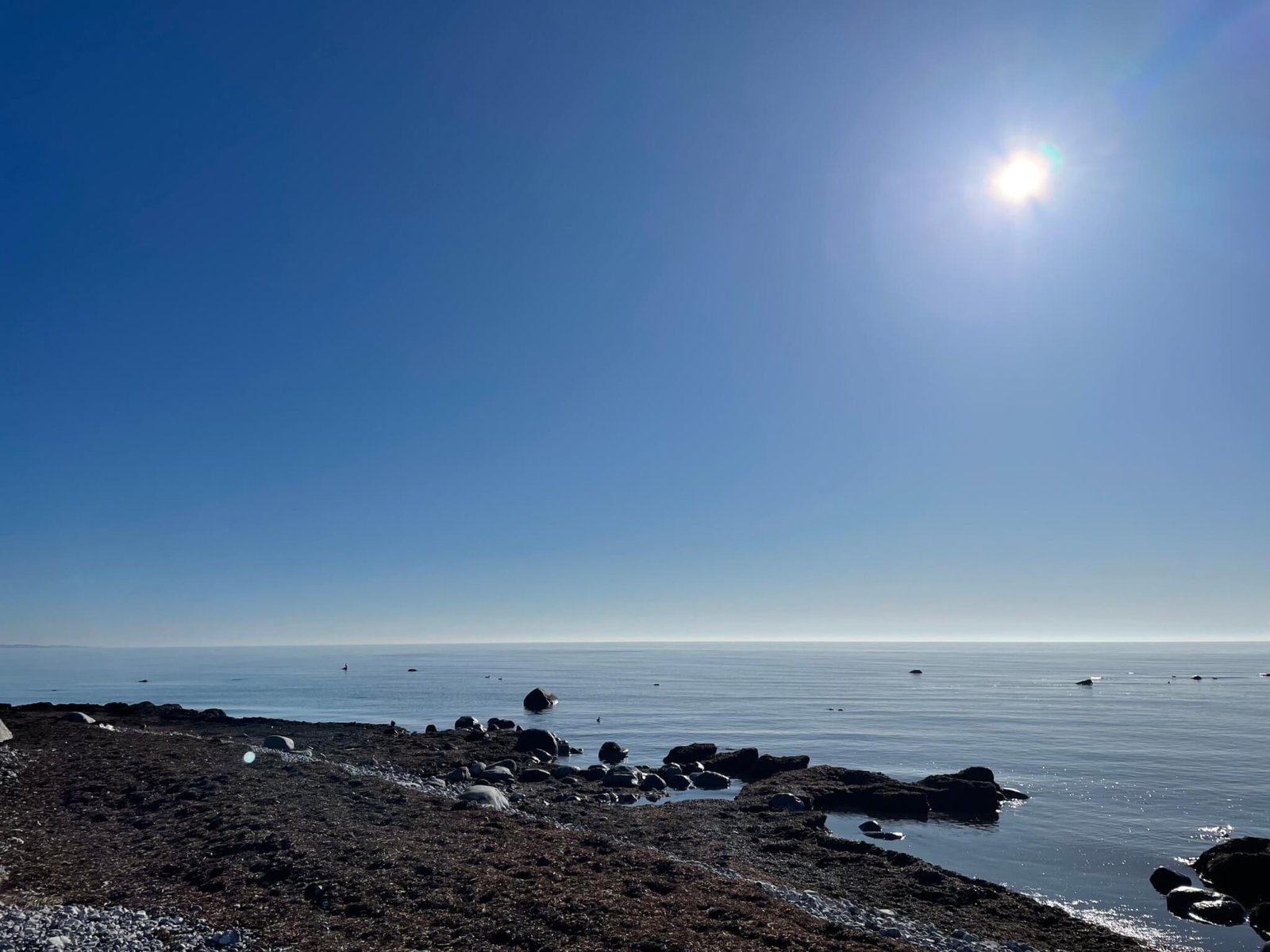
Fossil hunting!
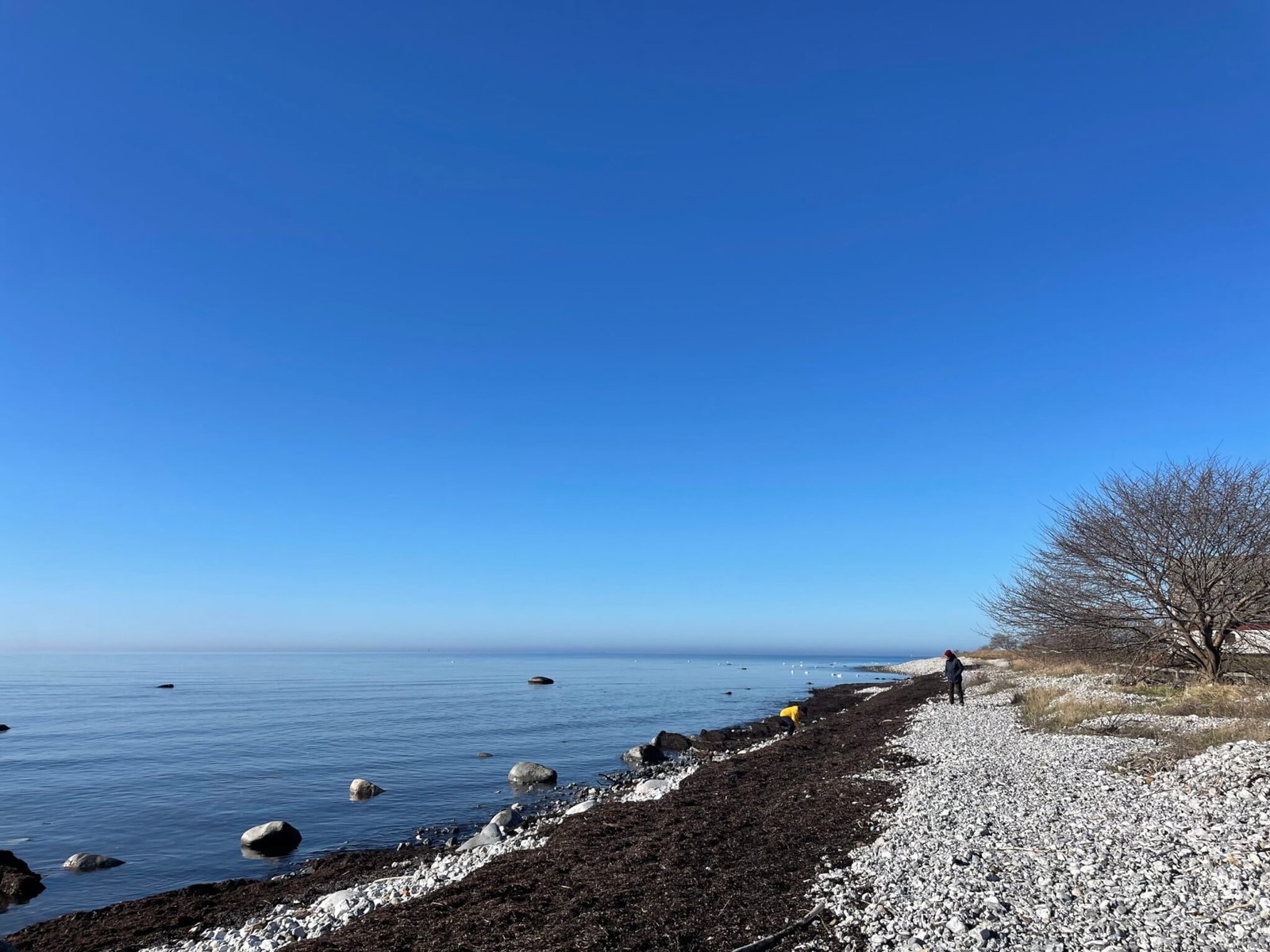
And enjoying the view, of course, and the gentle lapping of waves on the rocky beach…
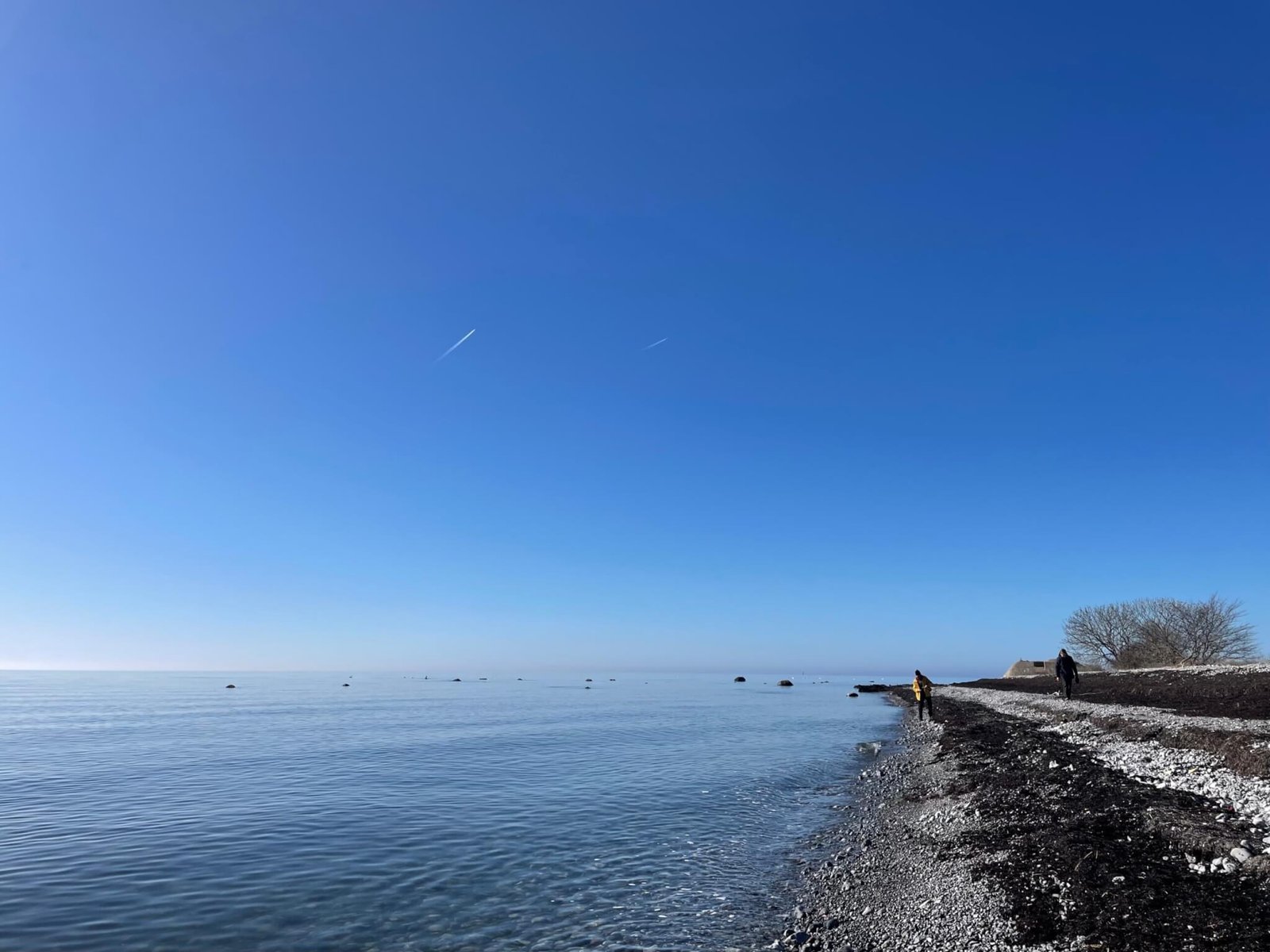
Waves coming in from far away
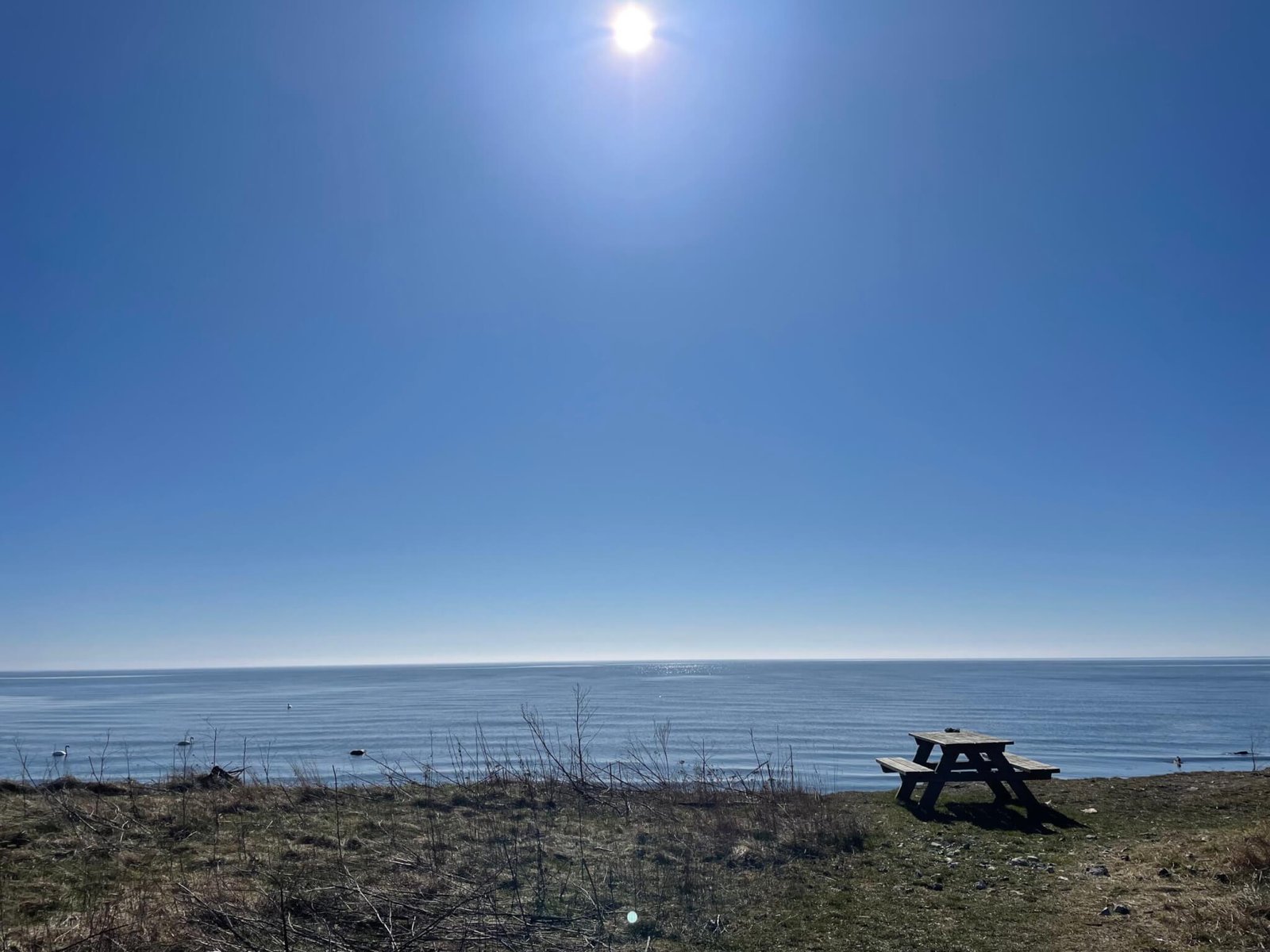
And a picknick bench!
Some more waves
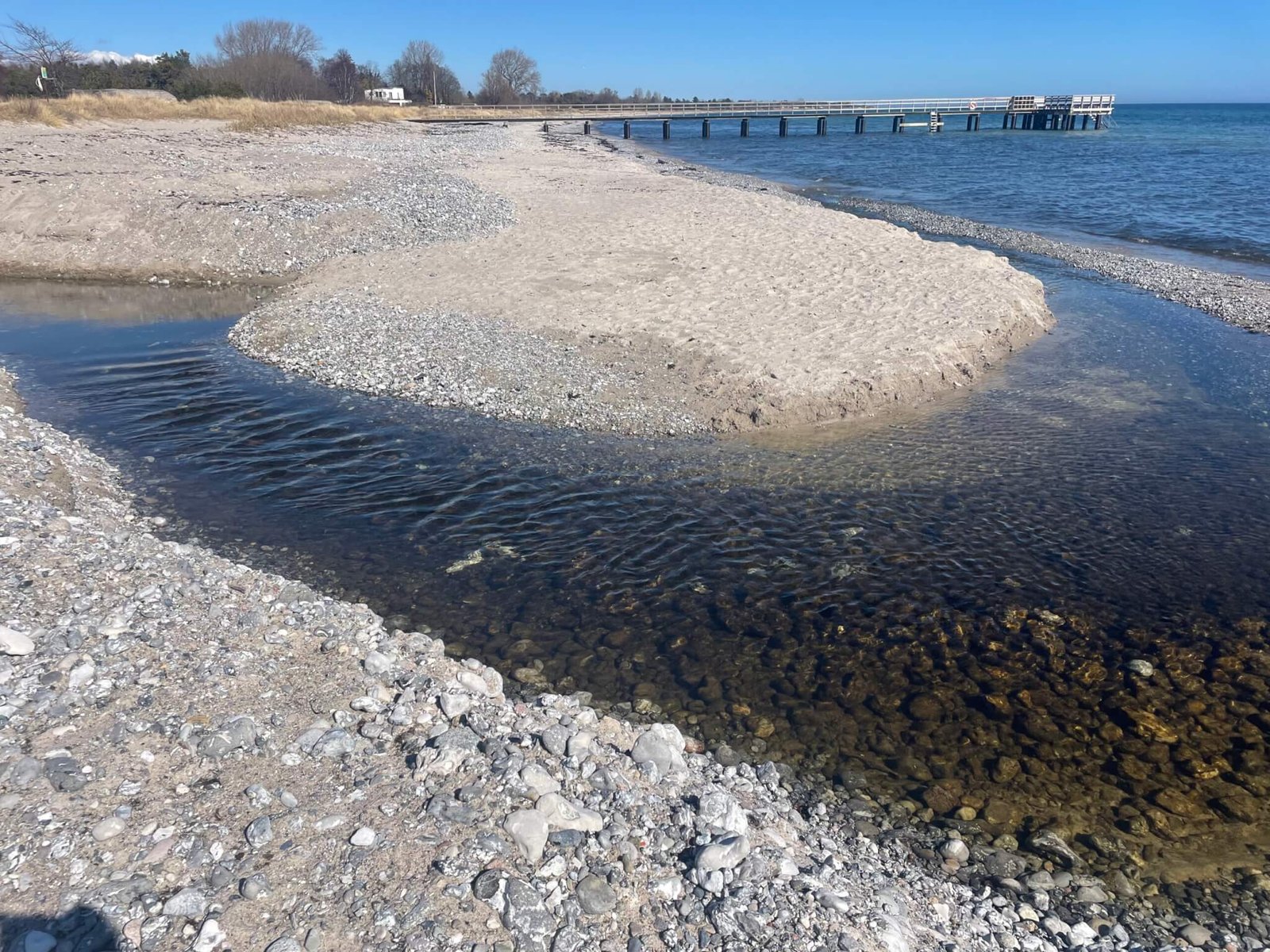
Very interesting standing waves in this little river going into the sea!
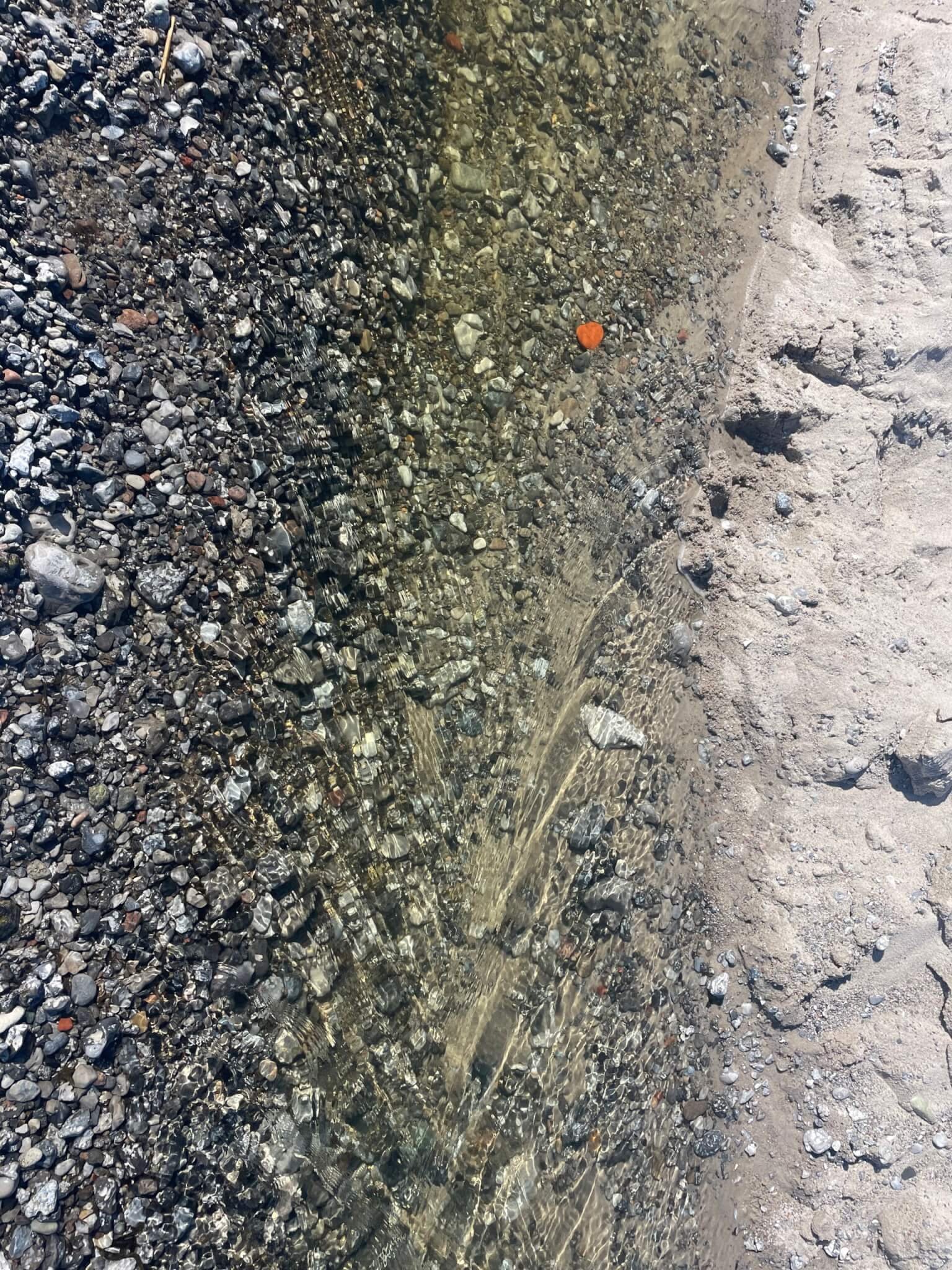
Standing waves are always awesome
As are normal waves…
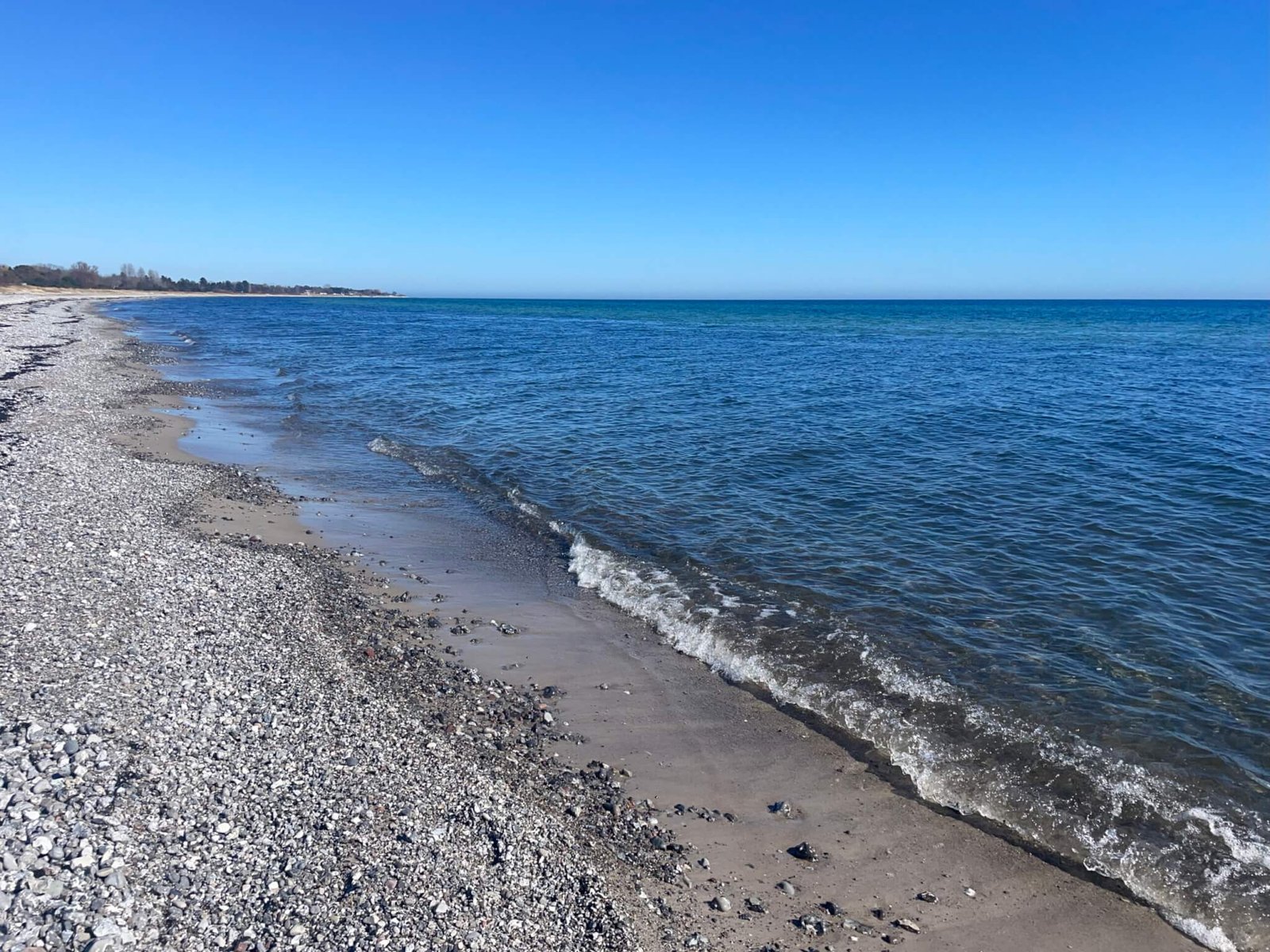
I love those glossy crests just before breaking!
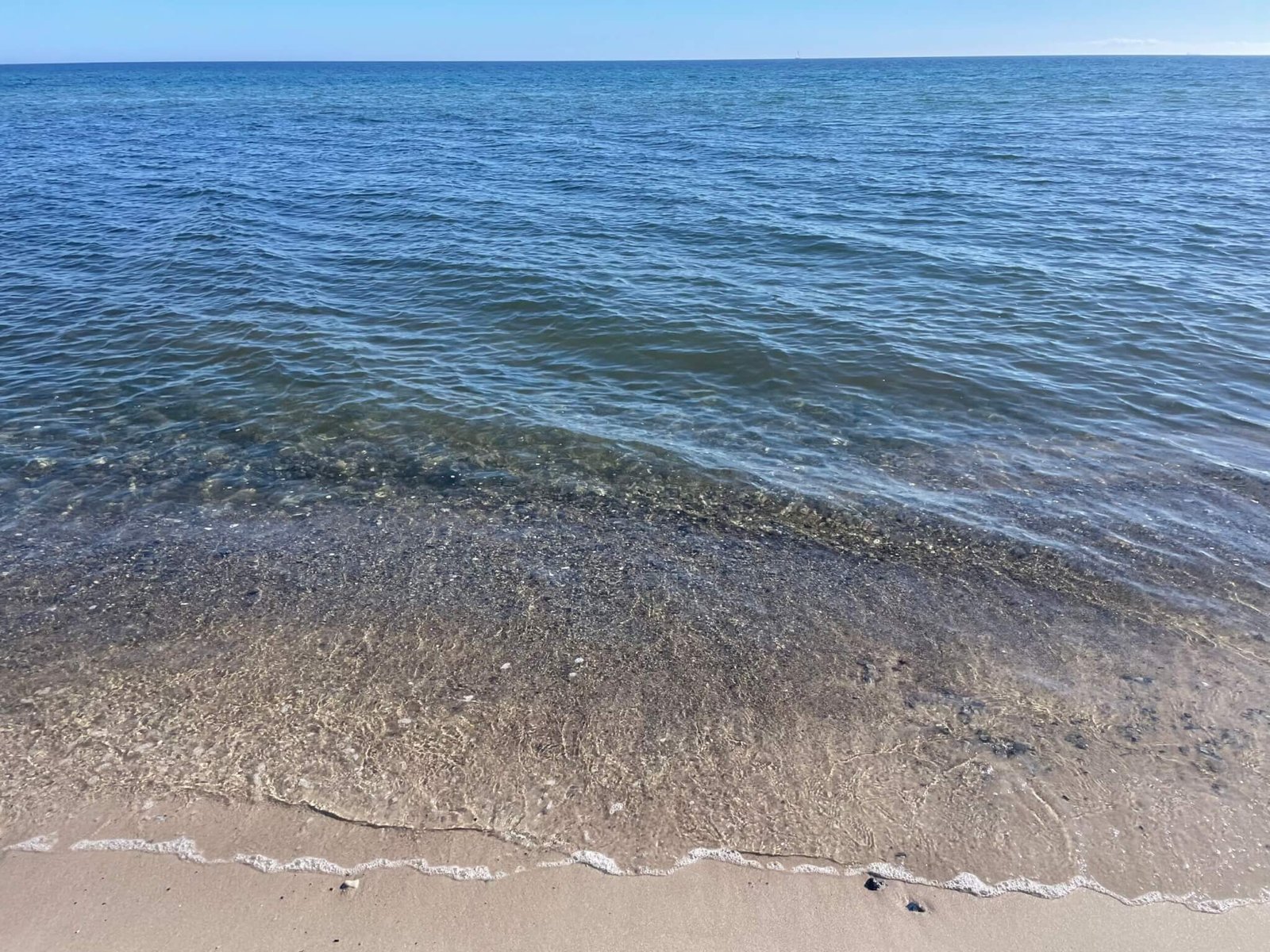
And the breaking
And a nice pier
More of the standing waves in the little river!
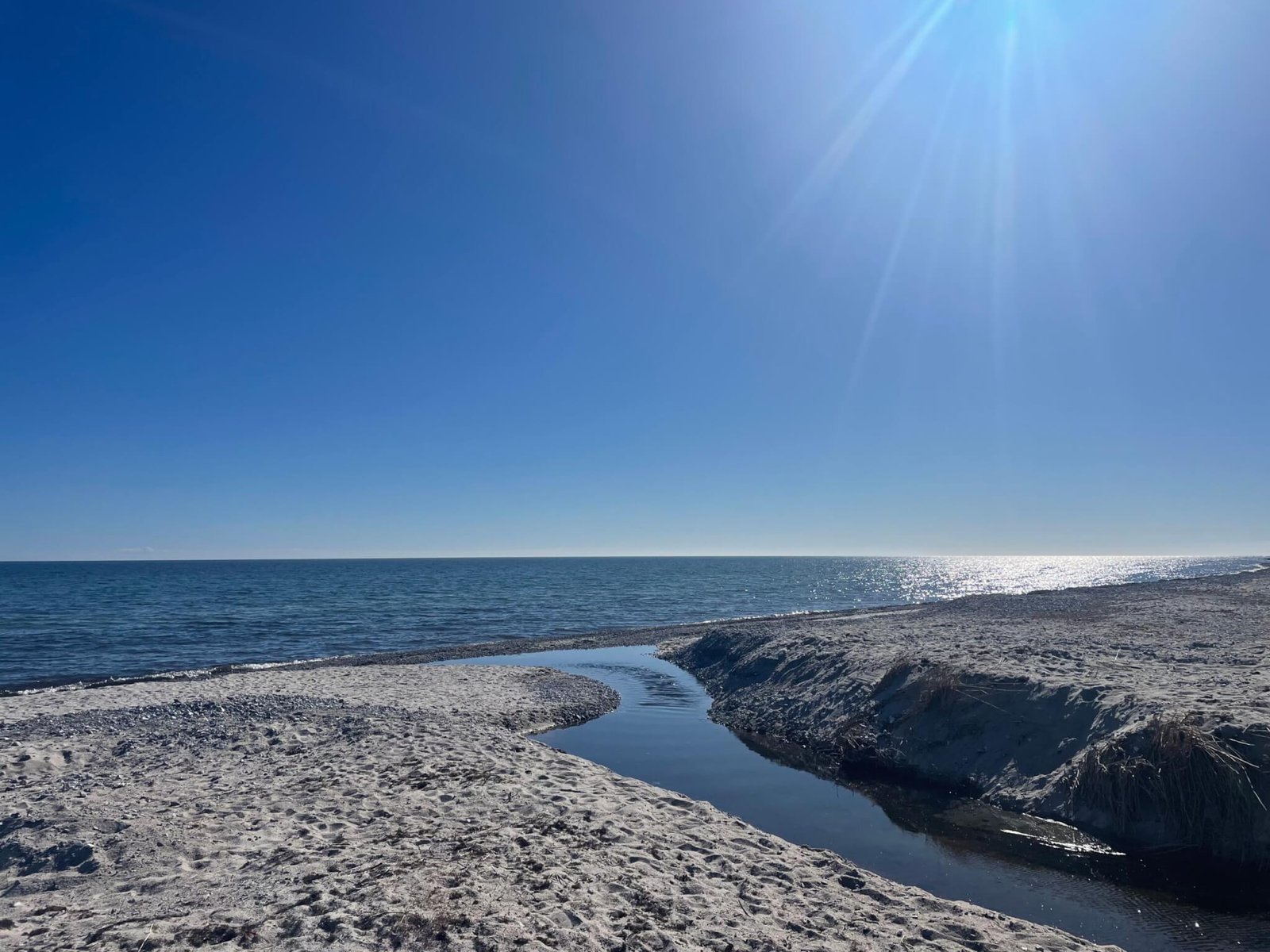
So fascinating how water can look so completely calm and then there are standing waves that show that it is flowing after all!