Currently reading Hingle & Johri (2026) on “A guided inquiry approach to students co-designing generative AI course policies”
In their study, Hingle & Johri (2026) describe a 4-week module in a course on a related topic, in which students first learn about how GenAI works both technically and in society.
In week 3, students individually developed at least 5 (or as many more as needed for a coherent policy) evidence-based elements of a GenAI course policy, drawing on both literature that was provided by the teacher, their own research, and importantly, their own experiences. For each policy element, they had to motivate why it was important to include in the policy, the benefits of including it, and concerns that various stakeholders, e.g. future employers or teachers, might have. In week 4, students discussed their elements in groups, focusing on finding consensus on a comprehensive policy which also explains what exactly is covered, when the policy applies, its effect on different student groups, and necessary success factors. In the end, students then reflected on the process and on how their views had changed.
The main message of the article is then about what exactly students came up with (in the authors’ own words, “participants prioritized training for students and instructors, standardized procedures for disclosing AI use, and stronger institutional support. Participants also wanted greater involvement in GenAI-related decision-making“), but I am mostly interested in that activity and really like it and the way the instructions are given! Especially since the authors also report that students “described the policy design process as a way to engage with multiple perspectives and the inherent trade-offs involved in governing AI use“, and that is exactly what I would want to use it for, too, and I think I already know when and how :-)
Hingle, A., and Johri, A. (2026), “A guided inquiry approach to students co-designing generative AI course policies”. Artificial Intelligence in Education, Vol. 2 No. 4 pp. 91–109, doi: https://doi.org/10.1108/AIIE-05-2025-0123
Windy walk some time ago!
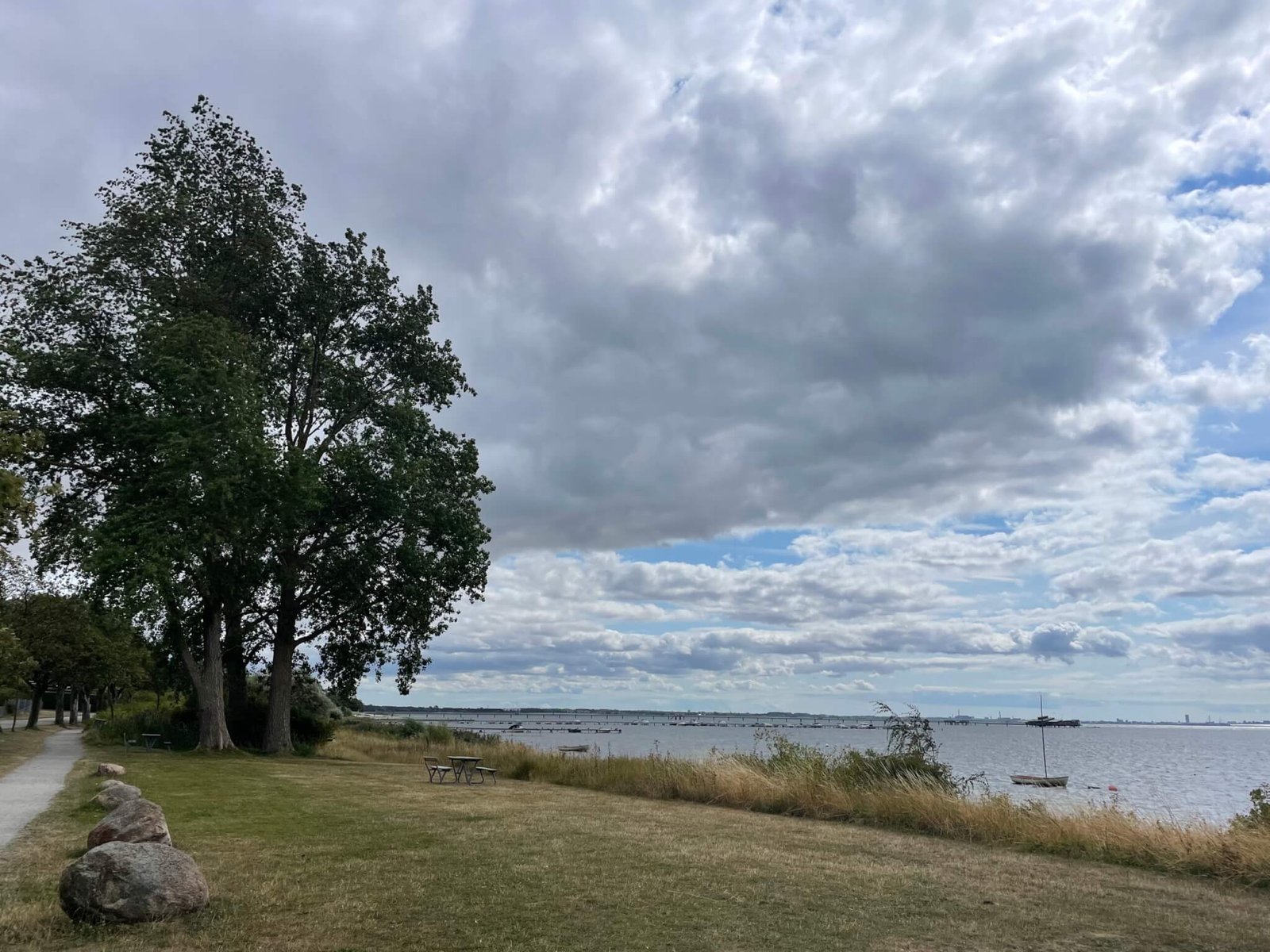
But I like the Langmuir foam stripes!
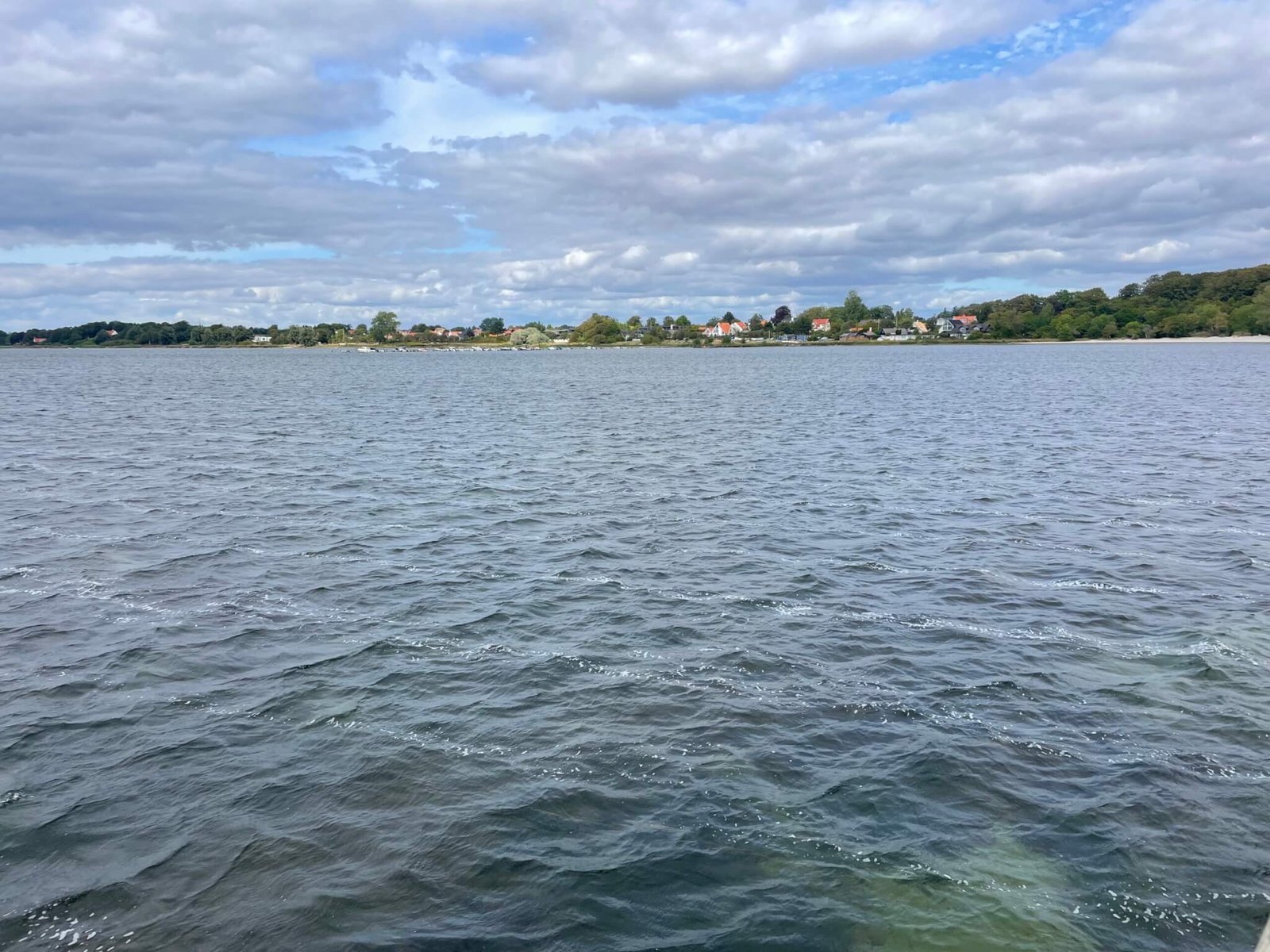
It is not so common that you can see them well looking in both directions, usually one direction is much clearer than the other one. But the sky being overcast helps!
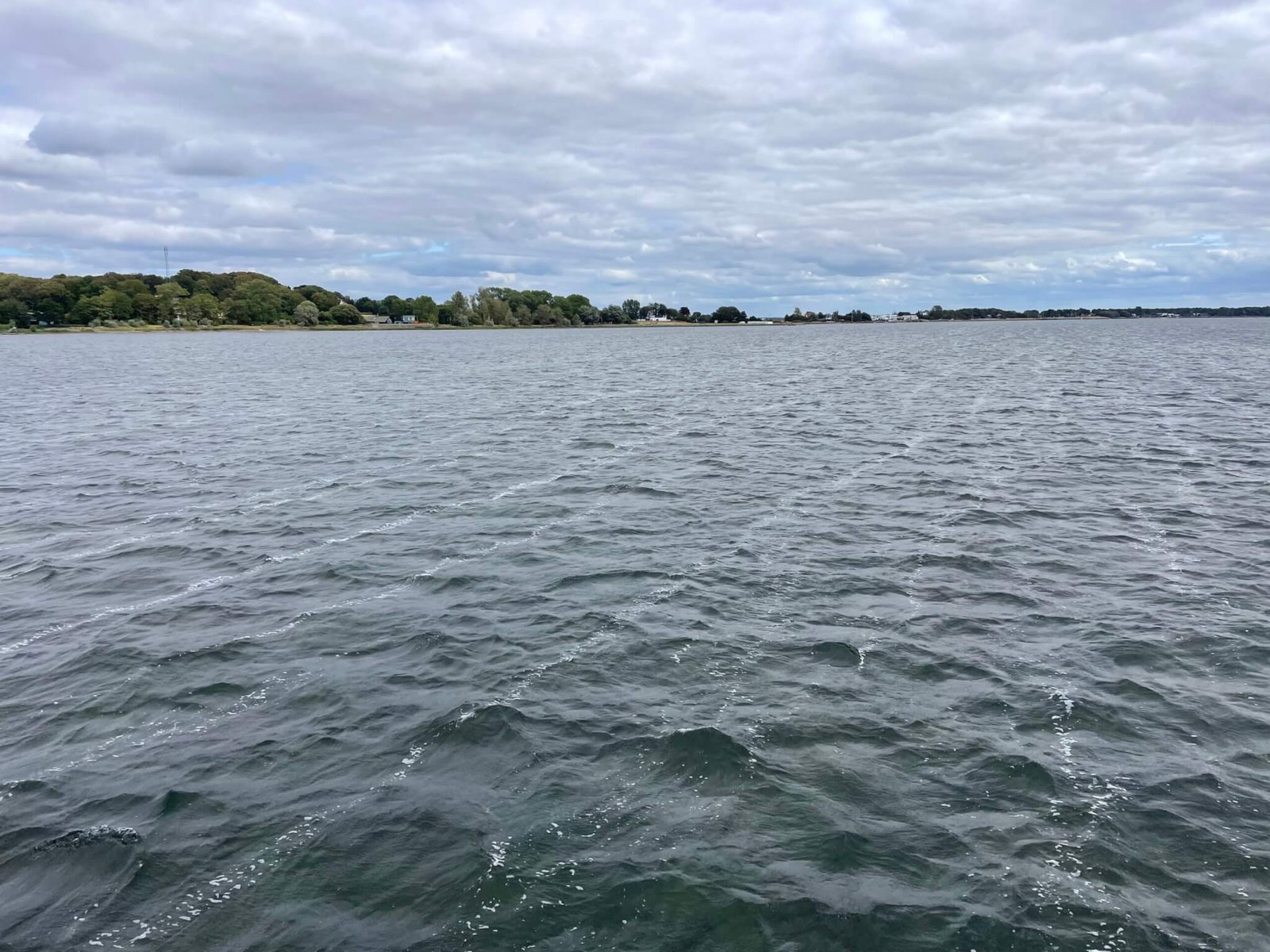
Yay waves!