Currently reading Bonnevier (2026) “Being a university teacher in a landscape of practice—A qualitative study of critical incidents”
To understand why teachers start professionalising in teaching, Bonnevier et al. (2026) analyse critical incidents in teaching. They find that teaching is overwhelmingly perceived as an individual venture where teachers feel left alone with heavy personal responsibilities, and identify four sub themes:
- Blaming oneself for not being a good enough teacher, or others for not having prepared students well enough to do well in a course
- Feelings of having been thrown into the deep end of the pool without any support
- Communication being difficult, for example when expectations were mismatched
- Wanting to do well and taking initiative
In response to this, Bonnevier et al. (2026) highlight that teaching and developing teaching should not be an individual task but rather be done in a community. They use the concept of “landscapes of practice“, which describe the partly overlapping, partly distinct communities of practice that exist in and around a field of interest. Teachers are typically part of several communities of practice in their role as researcher: at least one around their research interests (but often more than one, for example at a previous and current institution, or one or more general and specific ones). In my own work, I often assume that they are also in several communities of practice related to teaching, or at least would like to be: One in their home department, probably one related to a professional society in their field, our Teaching for Sustainability community or the one on teaching in the presence of GenAI, and likely others. But what motivates teachers to enter, or identify with, one — or even several — of these communities when their “primary” community is another one?
Bonnevier et al. (2026) describe the process of entering a new community of teaching practice as emotional — leading either to strong commitment or to withdrawal if things did not go well or as expected. Especially being thrown into someone else’s teaching on short notice without knowing enough about the context of the course can be a really difficult experience, and teachers who are used to being experts in their field “found it difficult to integrate their subject knowledge with pedagogical competence“.
One recommendation by Bonnevier et al. (2026) is that “Beyond developing an educational CoP to support identification processes when crossing the boundary to the educational context, it is crucial to support reflection across the broader LoP, particularly regarding alignment between different communities“. And I have been wondering about something similar recently. Maybe we are offering too many communities of practice on different topics, and are making it too difficult for people to orient themselves in the landscape? We are trying to make people aware of the alignment between different communities of practice, for example by speaking about sustainability at the Inclusive LU conference, or by arranging joint lunches with the sustainability and GenAI communities of practice, with the idea that based on their interest in one, they could easily be part of, and would be welcome in both. And we hope to lower the threshold of participation by making sure that those meetings are not “just” be about AI or sustainability, but recognise that teachers might also want and need to discuss “basic stuff” like classroom management etc in the context of AI or sustainability, and that we should not be sending them elsewhere to talk about those things. But maybe that also makes the landscape even more confusing? Maybe it’s time for a network analysis of who talks with whom about what related to teaching to see whether what we assume about wants and needs is somewhat close to reality, or where we should focus our efforts…
Bonnevier, A., Rundlöf, A. K., Palmgren, P. J., & Silén, C. (2026). Being a university teacher in a landscape of practice—A qualitative study of critical incidents. Medical Teacher, 1-14.
Yet another walk…
…to yet another dip…
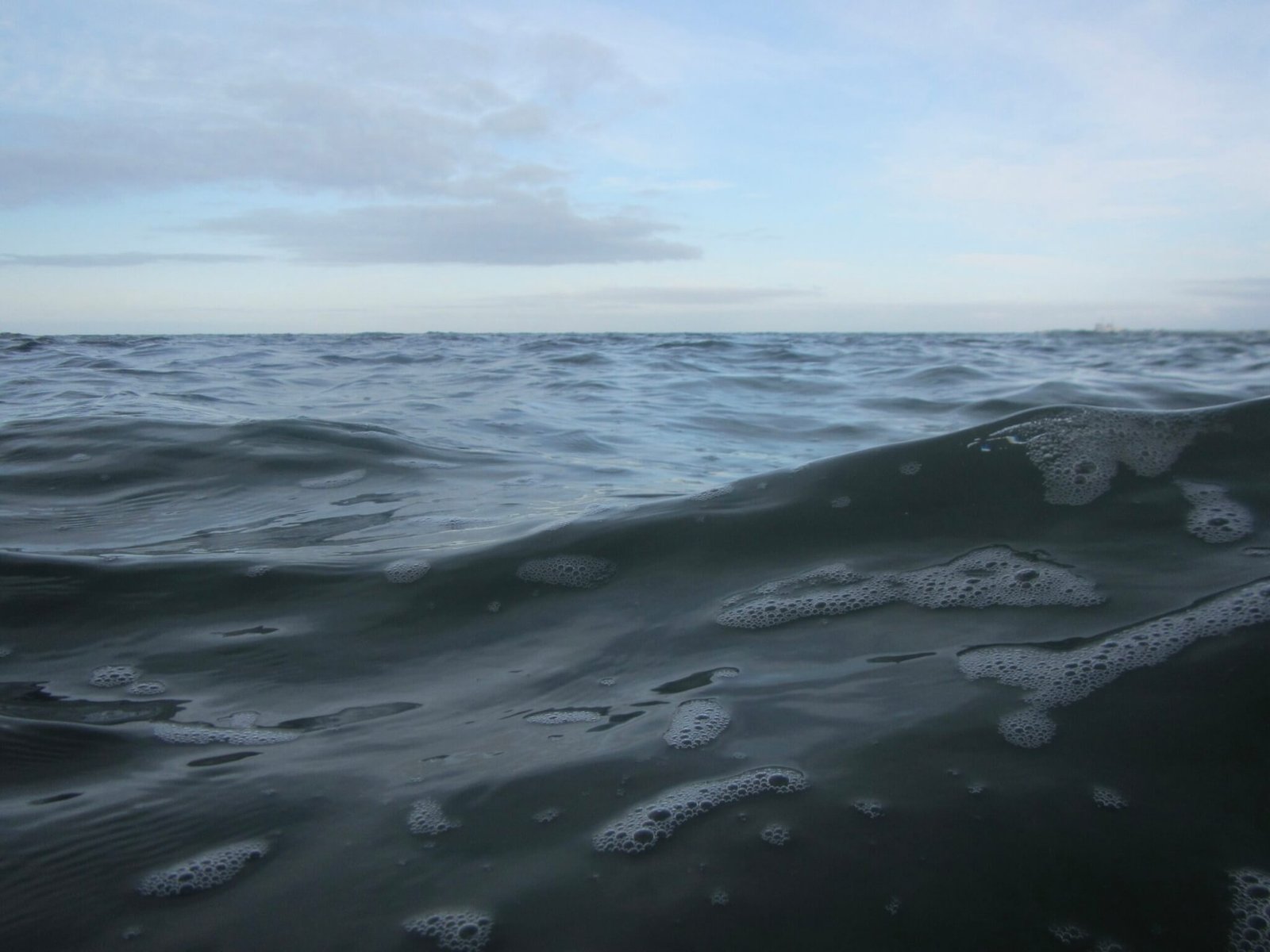
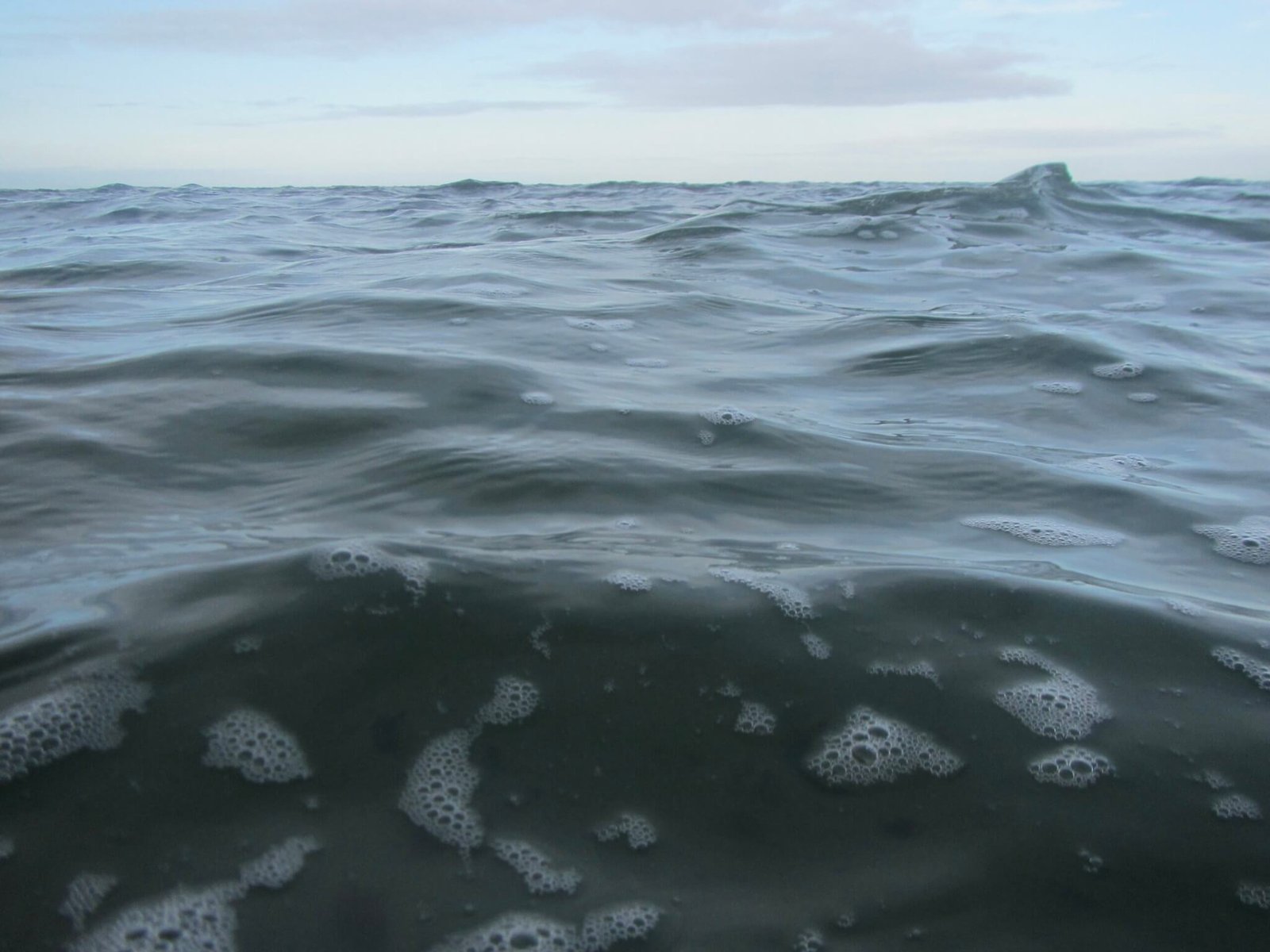
…but waves awesome as always!
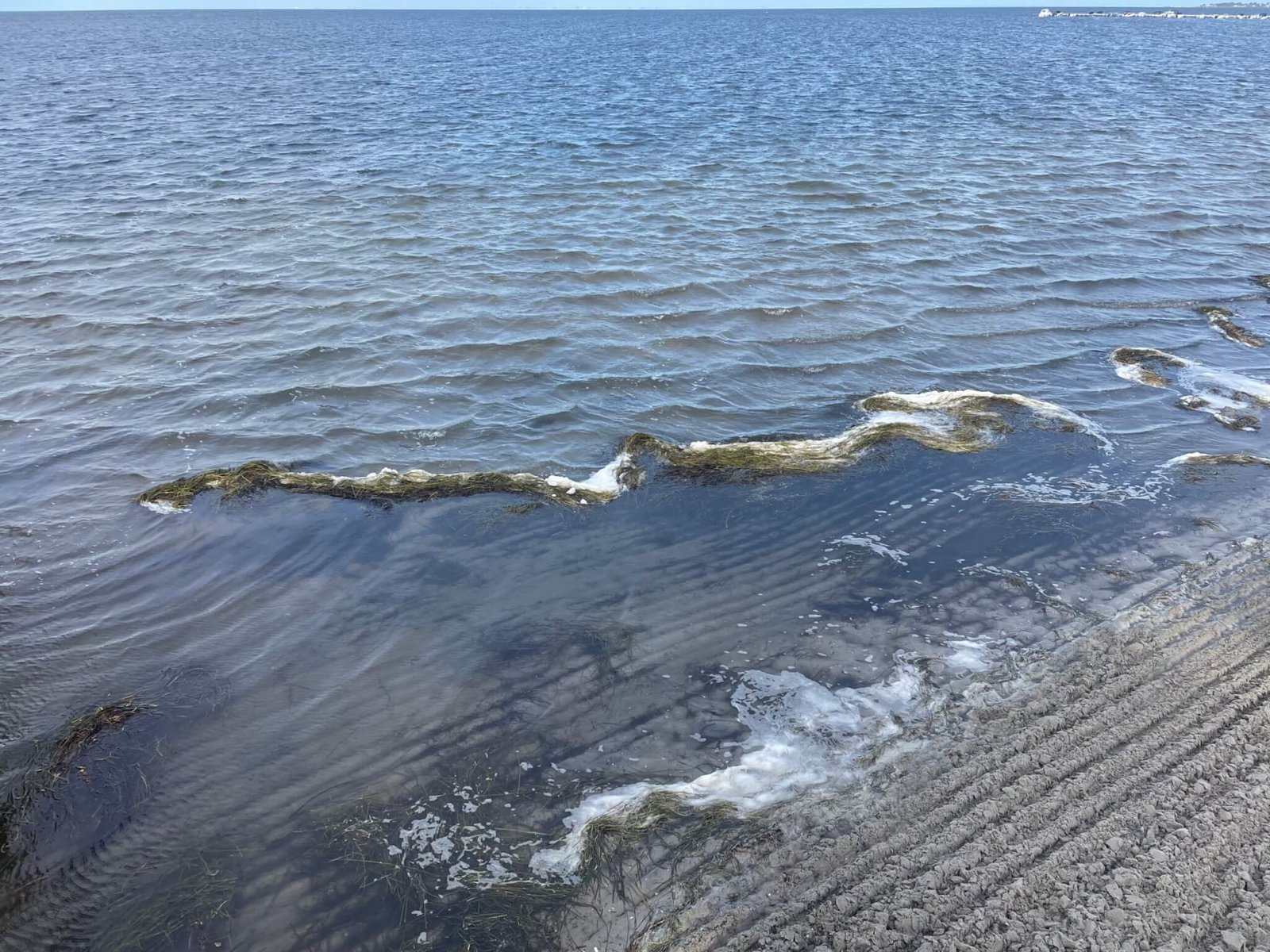
Unusual today: The beach shows the troughs and ridges that the cleaning-beach-from-seaweed tractor (technical term!) made, likely not so long before I took the picture (which must have been back in August, when they were still cleaning the beach), otherwise the waves and wind would have wiped them out. Also nice: How the floating seaweeds block waves except for some narrow gaps which give us cool wave-and-slit experiments…
Oh, and passing by my favourite picture spot on the way back, too…