Currently reading Hope (2026): “Beyond participation: reimagining silence as pedagogical presence in the university seminar”
During February this year, I had a phase of reading about the “tyranny of participation“, and this morning on the bus I read the super interesting article “Beyond participation: reimagining silence as pedagogical presence in the university seminar” by Hope (2026), in which she reinterprets silence from a lack of participation to forms of participation that are commonly not recognized.
She presents a conceptual morel of silent presence, with the seven dimensions below (and my examples of what I think that would mean)
- Cognitive processing: basically thinking, trying to understand new concepts, connecting them to prior knowledge, building arguments
- Emotional regulation: for example managing climate anxiety or a sense of (not) belonging, or evaluating whether a situation feels safe enough (or the topic is important enough) to speak up as someone from a minority or with a minority opinion
- Embodied attunement: things like shifting to be able to see a speaker better or to signal listening through posture
- Relational ethic: staying silent to create space for others, to calm down to avoid responding too emotionally, to let a conversation stay on a topic that is clearly relevant for others
- Identity navigation: not wanting to be stereotyped or to be perceived as a representative of a certain demographic, not being confident in language skills or belonging
- Epistemic positioning: figuring out how to position oneself to arguments made or course content more generally
- Quiet resistance: interrupting conversations that are too fast, or challenging the norm that who speaks the most has the most to say
Reading this article was really meaningful to me as I can relate to all seven dimensions, and recognize the unfortunate general assumption that engagement means speaking and speaking means engagement, which then misinterprets silence as disengagement. And now with the presence of AI making a lot of teachers rethink assessment and the focus shifting towards oral examinations and participation grading, it is important to understand what kind of engagement or participation we actually want from students: talking, or all the seven dimensions of silence, or a good mixture of both? And beyond assessment, as Hope (2026) writes in the “implications for teaching practice” section, “The findings suggest that seminar pedagogy may need to interpret silence more carefully. Rather than treating quietness primarily as absence or disengagement, educators may benefit from recognising that students participate in different ways and at different paces. Creating space for reflective pauses, listening, and slower responses may support broader participation in seminar learning. This does not require lowering participation expectations. Rather, it invites educators to distinguish between participation as observable verbal contribution and participation as engagement with learning. Recognising this distinction may enable more inclusive pedagogical practices while preserving the dialogic purposes of seminar teaching.” (my emphasis, and that’s a very good quote to end this blog post on!)
Hope, J. (2026). Beyond participation: reimagining silence as pedagogical presence in the university seminar. Teaching in Higher Education, 1–14. https://doi.org/10.1080/13562517.2026.2728976
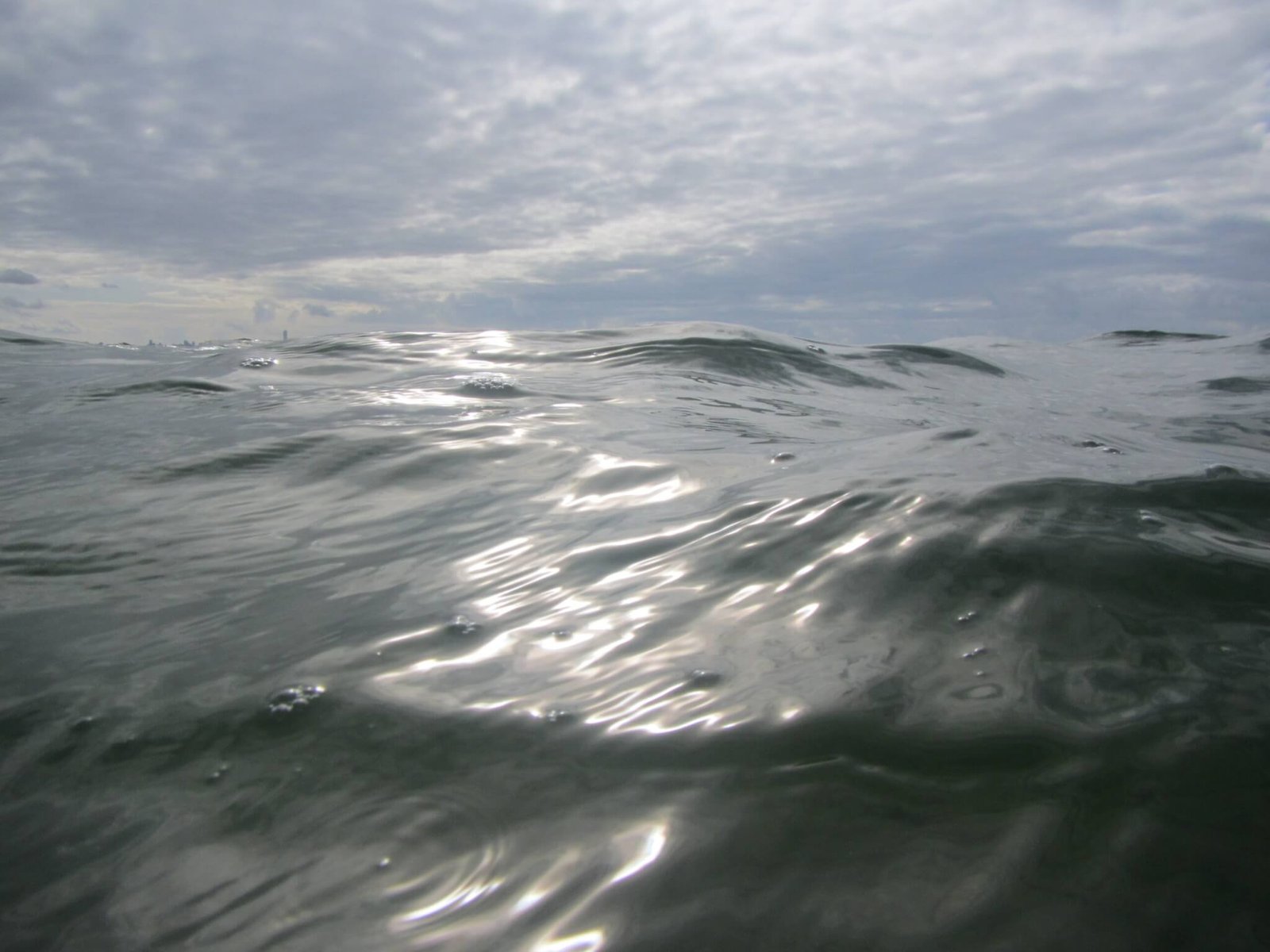
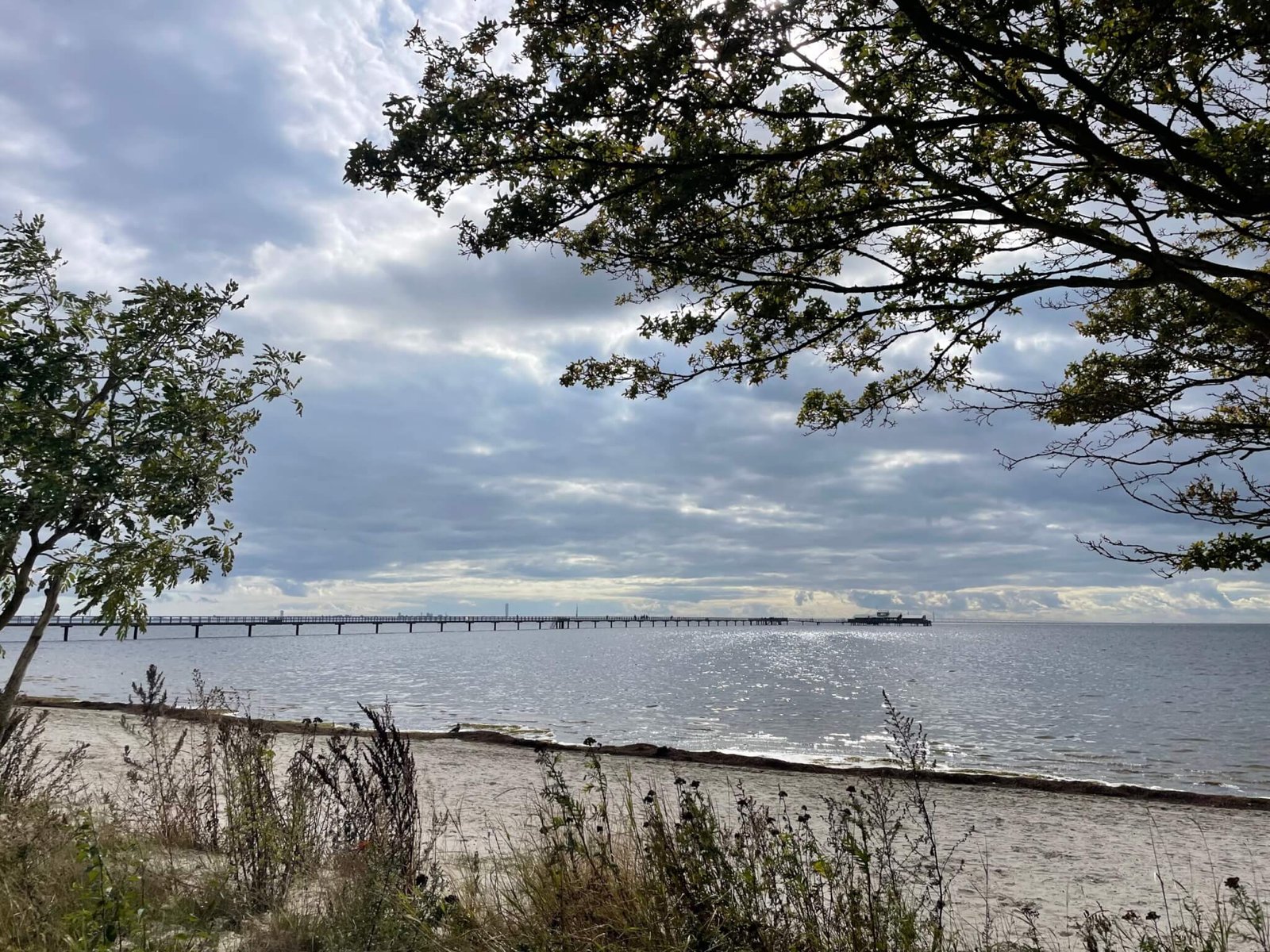
Saturday’s walk to the dip
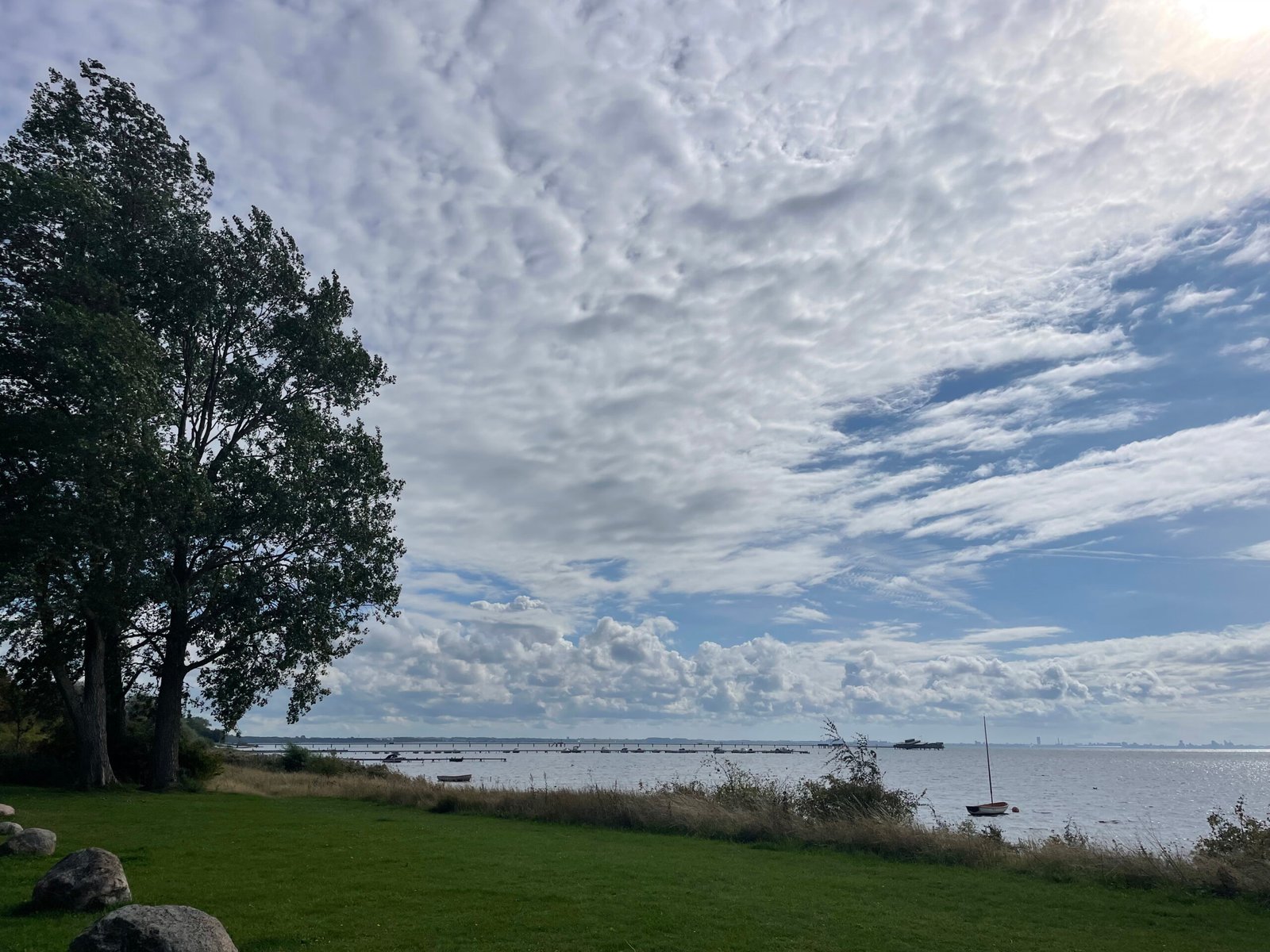
Water is starting to feel cold!
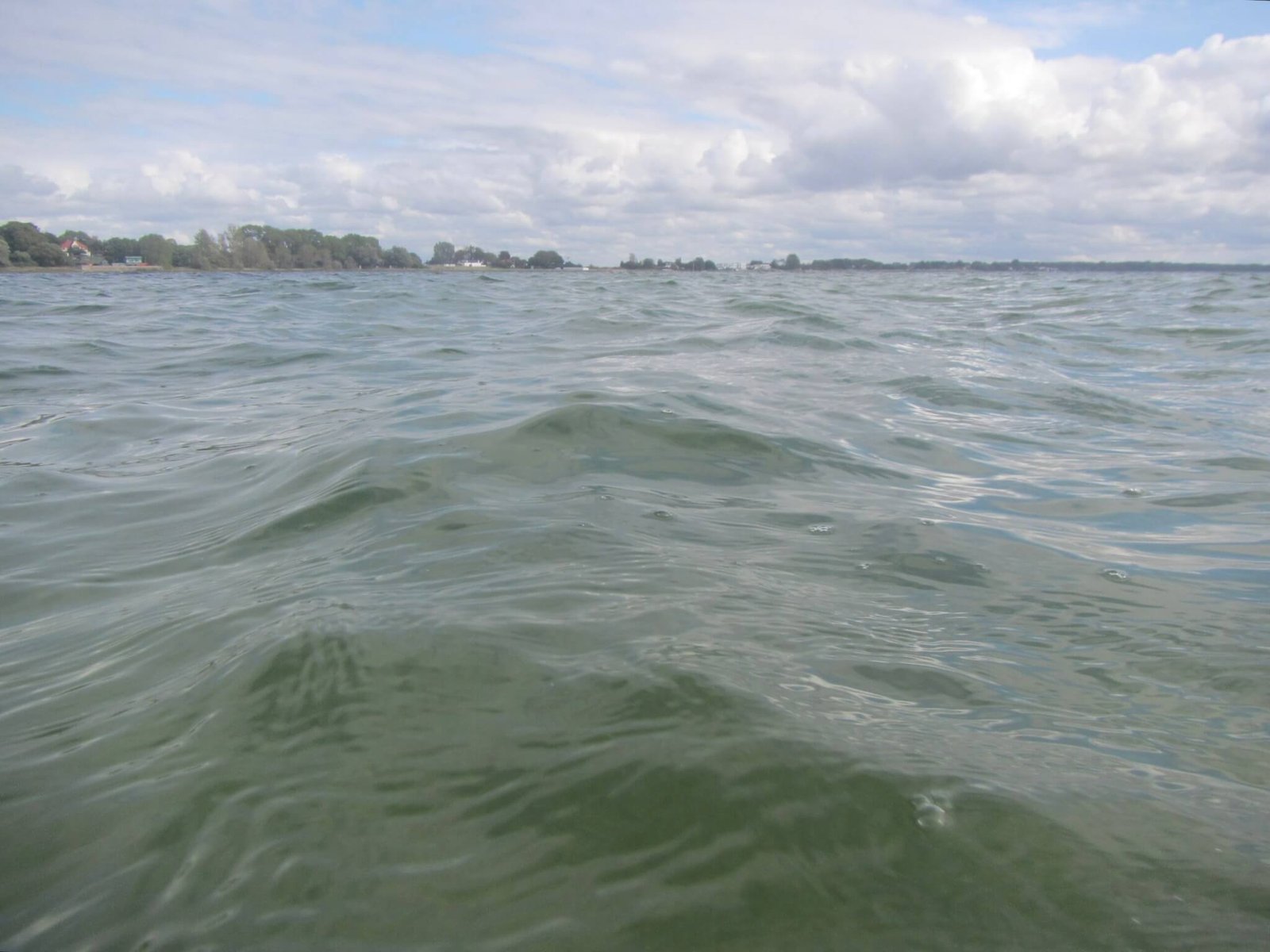
But it’s always so fascinating how different the color is depending on which direction you are looking at
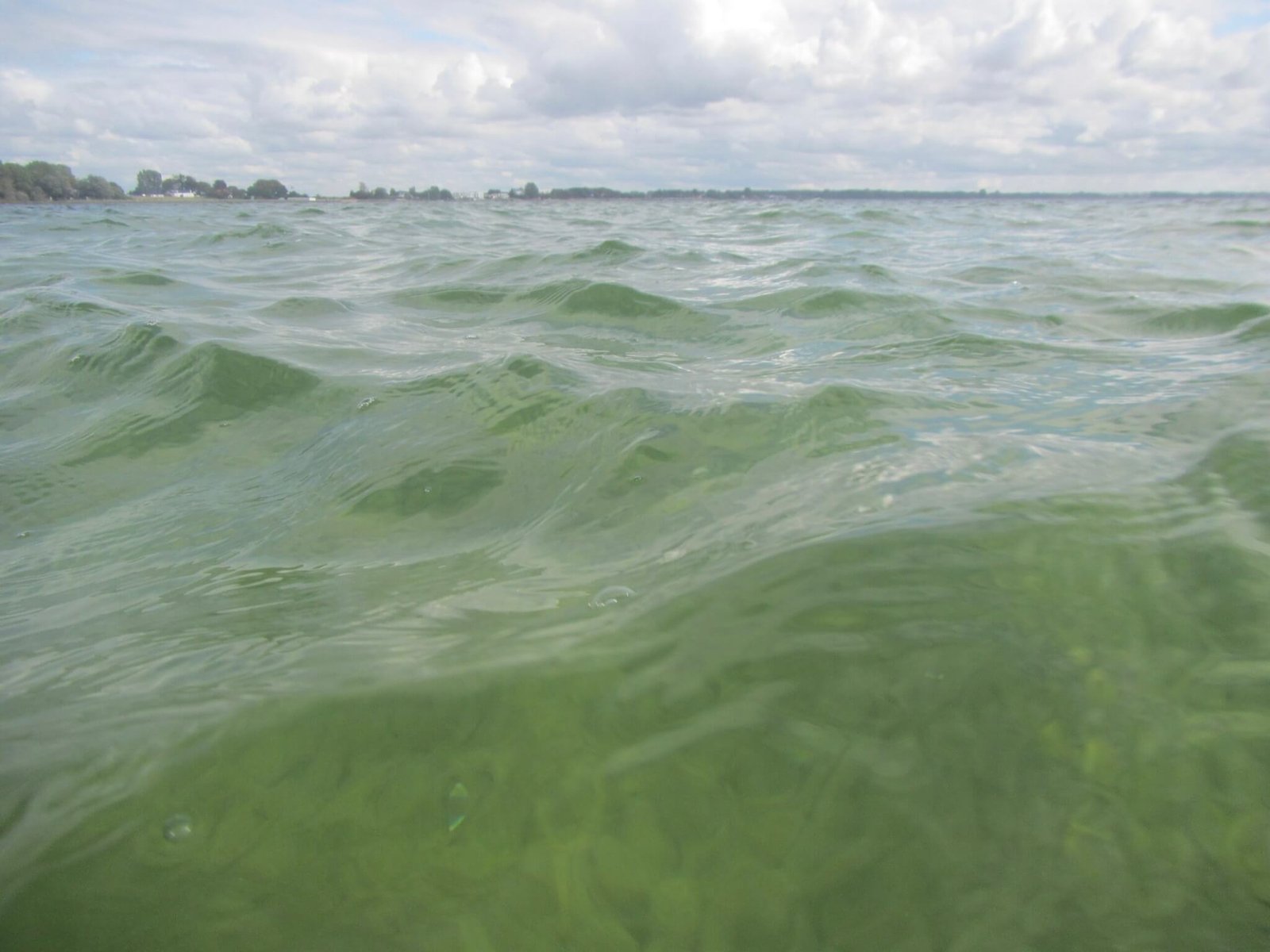
A little sun glint and much stronger shadows
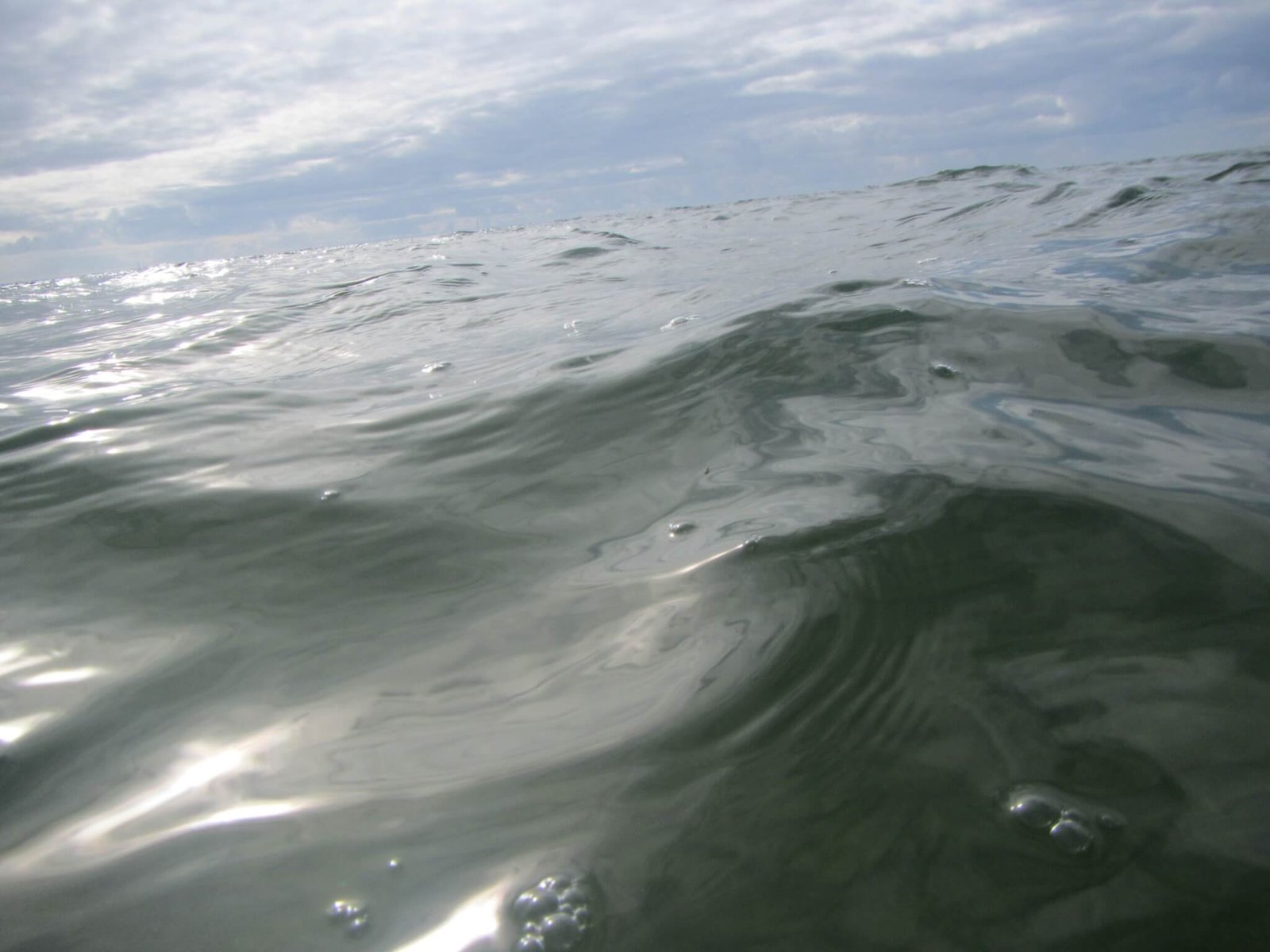
A little green but mostly reflections of the sky
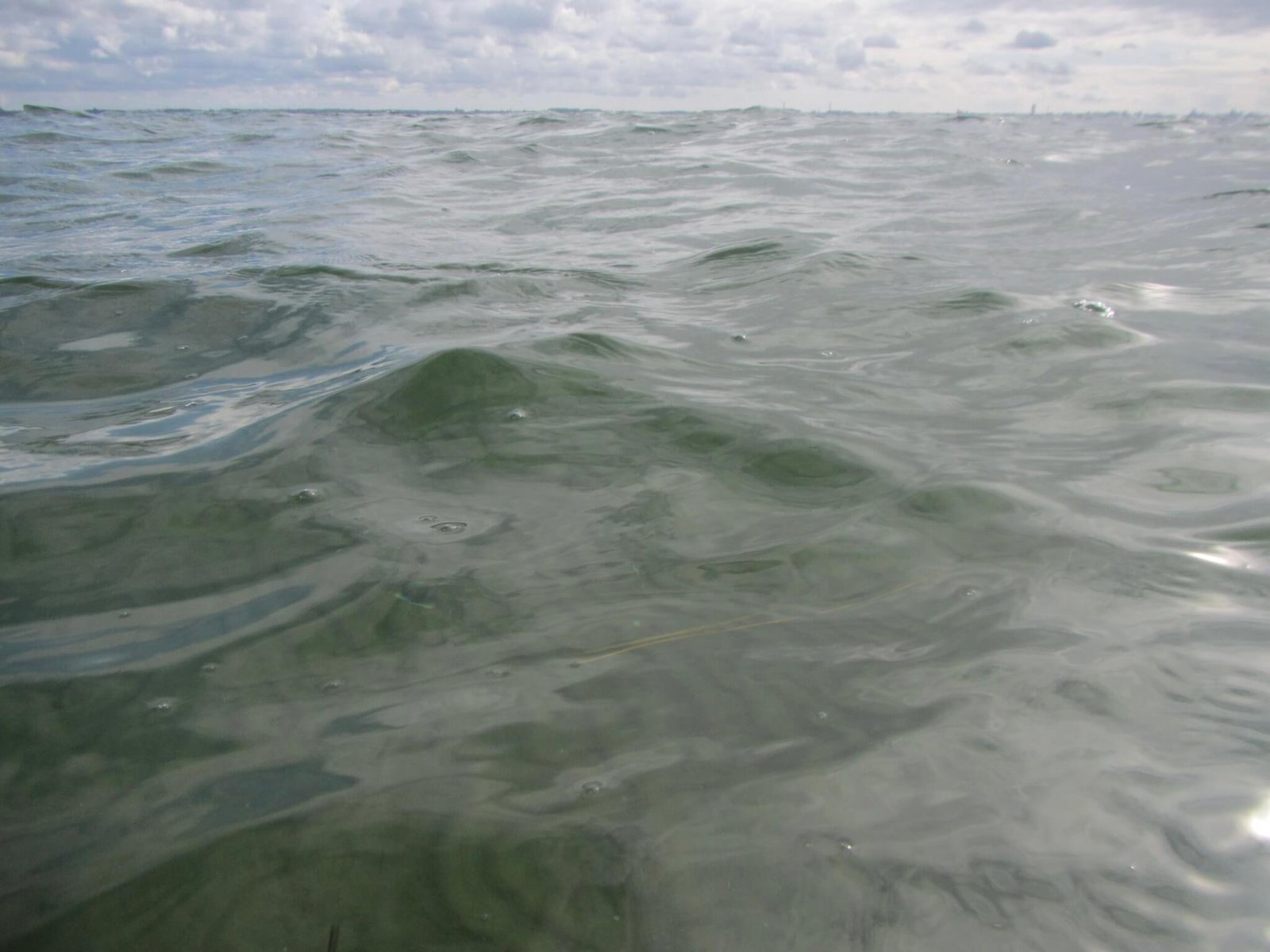
Love how dynamic the water looks here, did you deduce the presence of a sandbank, causing the pile-up of waves here?
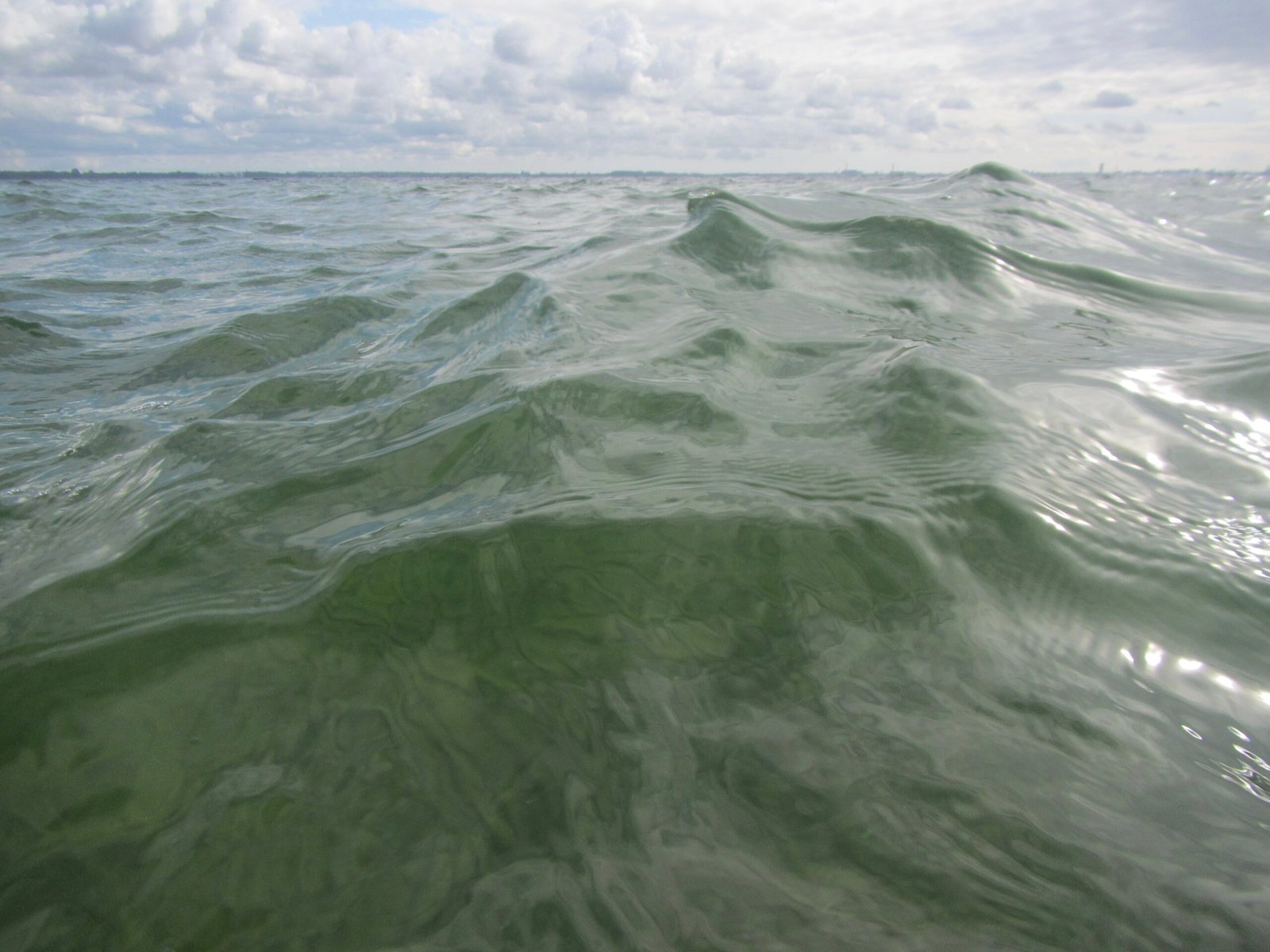
It is a looong bridge indeed
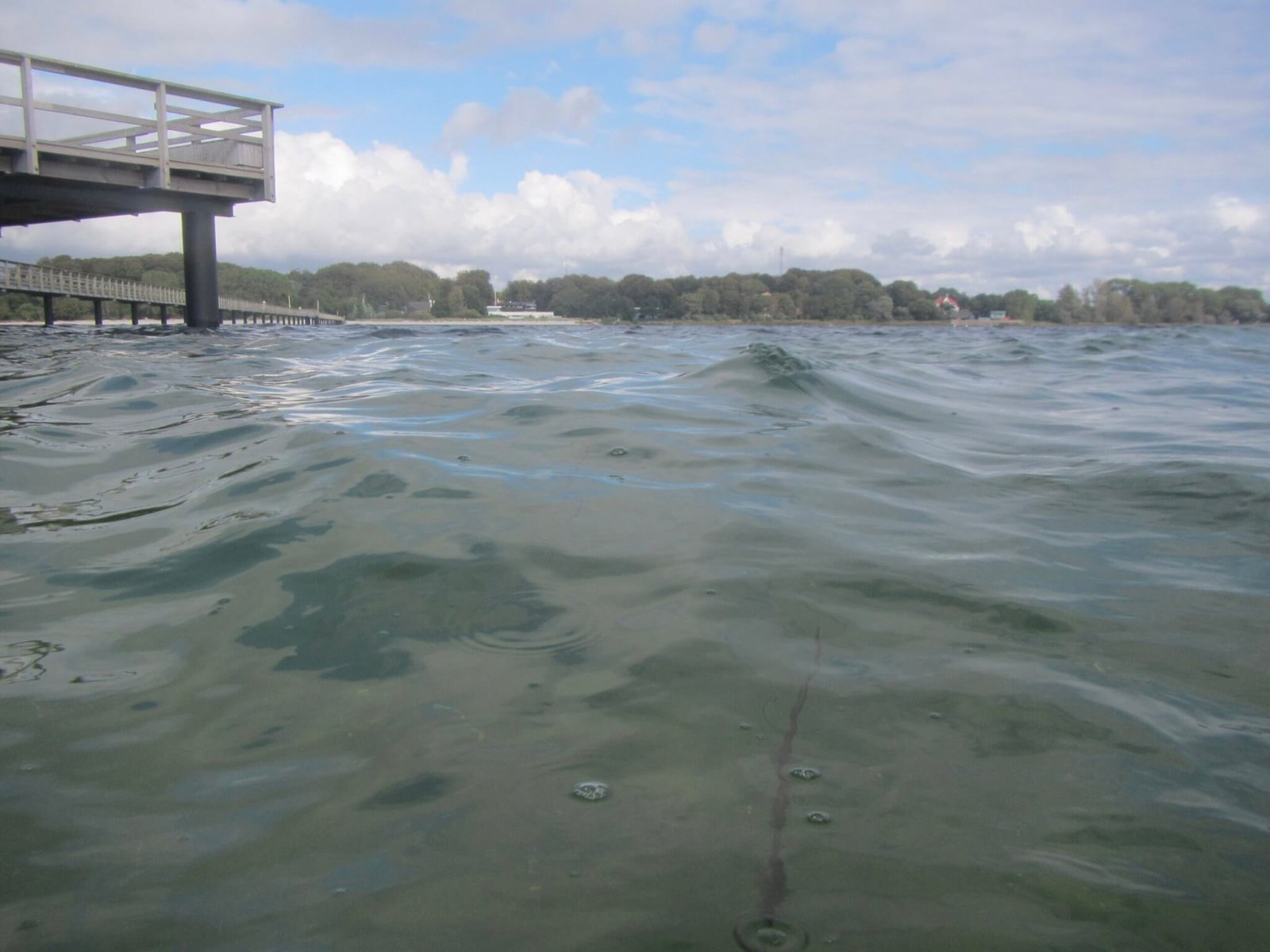
I love it when water looks like this, do you see the one little capillary ring wave from something dropping in the water near the bottom left?