
Listening to “3 fresh ideas for structuring professional development”
Another walk, another podcast episode! The Cult of Pedagogy podcast had an episode on “3 fresh ideas for structuring professional development” and their discussions were really interesting!
First, they talked about how introducing new teaching methods in professional development workshops works really nicely through letting participants (the teachers who we want to be inspired to use a method) experiencing the method from a learner perspective. We’ve written about that, too, with similar arguments as came up in the podcast: it is often helpful to have an emotional experience rather than reading about a method in theory, participants get to experience the benefits first hand, and they also see how to do the instruction and that it is really not as complicated as it might have seemed just reading about it.
One aspect they discussed on the podcast is something that Rachel and I also realized when we gave our keynote in Stockholm: It is a really good idea to end a keynote with a think-pair-share(the questions you want to ask the keynote speaker) rather than just asking “any questions?”. That gives the audience time to process, to talk with their neighbor and maybe already get explanations or sharpen their questions. Plus they get to connect to someone they might just happen to be sitting next to! And when the “share” part starts, the question quality is likely higher, and more diverse people are likely to ask a question. I think this is a great way to end any kind of presentation, or transition from presentation into Q&A!
In the podcast, they do the think-pair-share session not directly in the auditorium at the end of the keynote, but in smaller groups in “debrief rooms”, where they have plenty of time to process first in pairs, then in a first “share” in those smaller groups, and a collection of questions. The organizer and keynote speaker went through the collected questions together and prioritized what was most relevant to bring up again, and then there was a second, larger “share” in the afternoon, where the keynote speaker responded to the questions they had selected earlier. I think that is a really good way to make even more use of a keynote!
And they did even more: With all the methods they discussed, they use a “pre-during-post” approach of engaging participants. The “pre” for the keynote was getting a structured outline and thinking through what a presenter might be talking about, thus eliciting prior knowledge, already priming participants with questions, and really preparing the ground for the keynote!
In some parts of the discussion in the podcast, I was thinking “but you are aware that you are working with grown-ups and not kindergarten kids, right?”, especially when methods became highly structured and there were facilitators assigned to lead every tiny process everywhere, for example making sure that participants were not on their phones during a poster session. What? If I am on my phone, please trust that I have a good reason for that! That is a cultural thing that would just not fly in my work context, but a bit more structure would probably not hurt in most settings over here, too!
Overall, this was a really useful discussion!
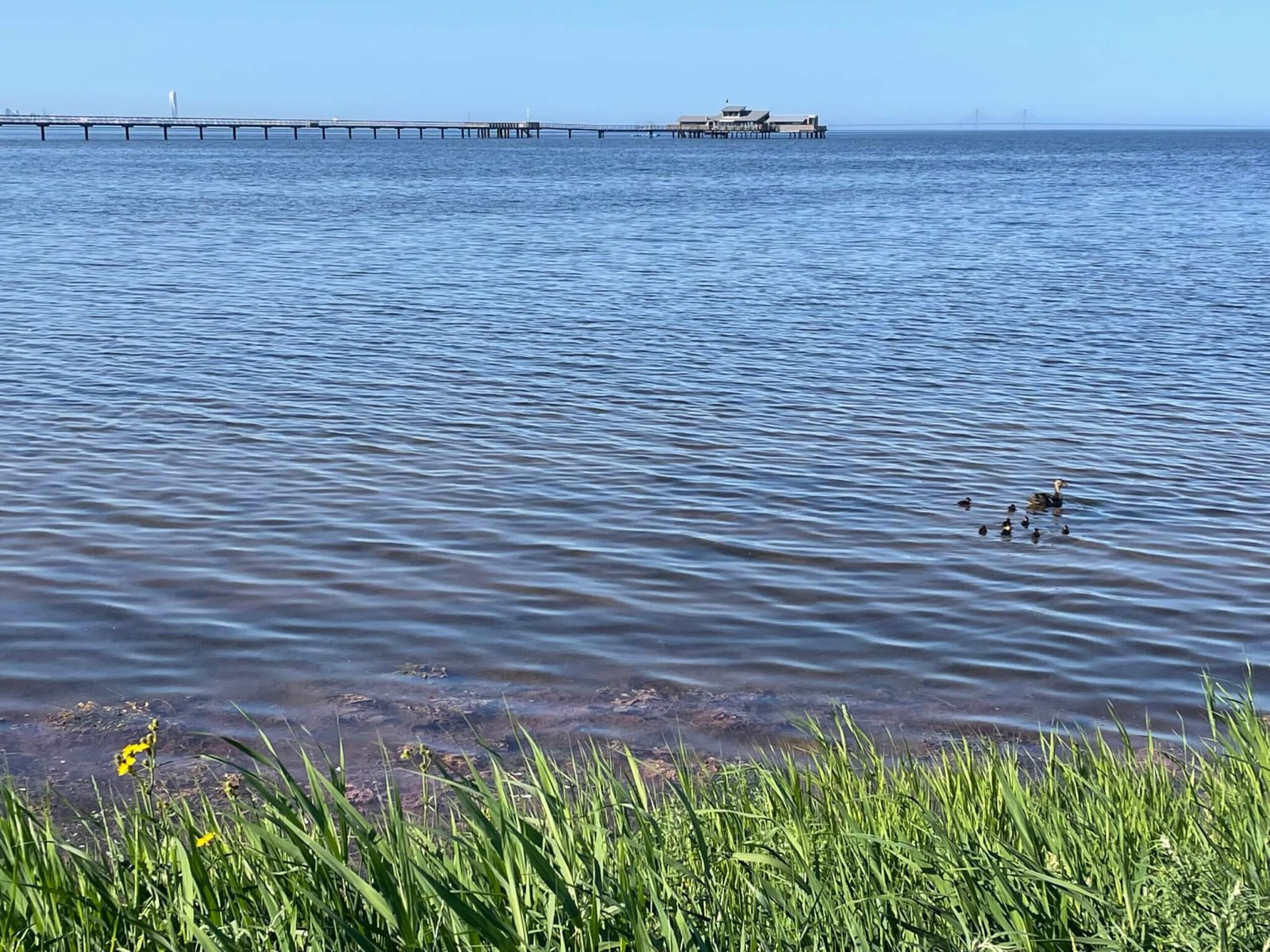
Pictures from this morning’s dip, although I listened to that podcast yesterday. Today I listened to a super interesting discussion of the conspiracy theories around the sinking of the Estonia (in Swedish).

Water is just always the best!

Capillary waves and total reflection…

And the cuuuuutest tiny baby ducks!!!
Always a nice view. Love how lush the tree looks!
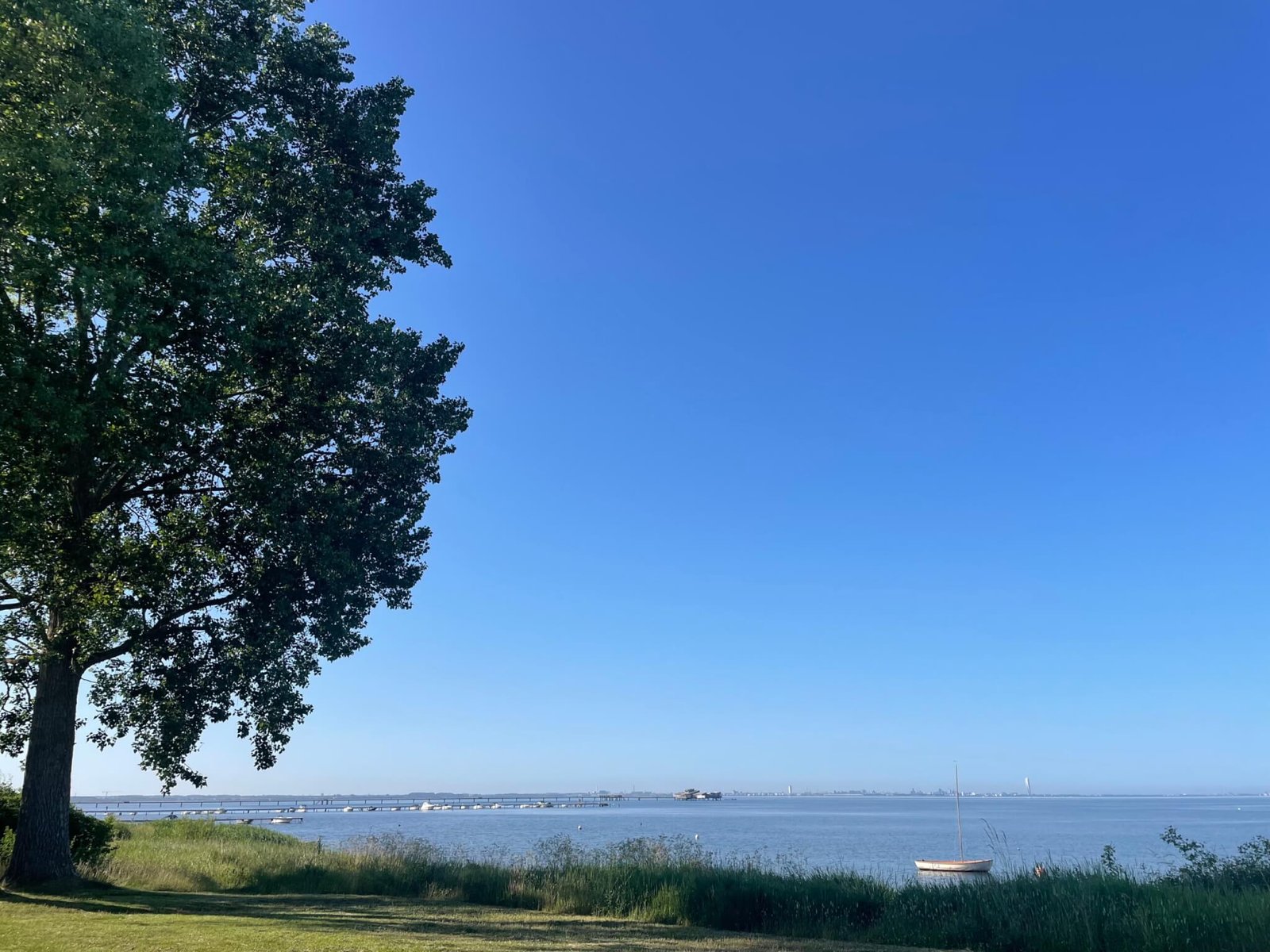
The lawn, however, needs a bit more rain soon! But the picknick bench has moved back into a better spot in terms of picture composition