Currently reading Dowdle (2026) on “‘Oral essay’. Reflections on the relevance and possibilities of spontaneous oral academic monologue as a higher education study practice”
With the presence of AI, oral exams have made a strong come-back because it is harder to cheat on them. But they come with lots of problems, too: A lot of students struggle with anxiety that prevents them from showing all they know, it is difficult to assess fairly, and it is unclear whether oral assessments actually measure what they are supposed to. When, as it is pretty common, oral assessments are scripted, rehearsed, supported by slides, the presentation and communication skill displayed easily influence the impression a student makes.
Dowdle (2026) suggests an alternative to at least formative assessment, the “oral essay“. They point out that the word essay originally came from the french trying out, so it should be a space to try out disciplinary reasoning rather than presenting a finished and polished product. They describe the oral essay as “‘a spontaneous structured oral monologue, without visual aids or prepared manuscripts, where students are ‘given the floor’ (an uninterrupted stretch of time) and minimal preparation time to construct a critical academic argument, combining personal stance with experts’ ideas’”
For it to actually support thinking and learning, several aspects need careful consideration:
- What should the task be? For example, a teacher could provide quotes or other statements and students then sort them into a new order and interlace them with their own thoughts.
- How much uninterrupted time do students need so they have the physical and mental space to articulate what they want to say?
- How much preparation time should they have so that they can come prepared and possibly with notes*, but not with a scripted or rehearsed presentation?
- How to frame the task so that the focus is really — and also obvious to students, to manage anxiety — on development and meaning making, and not on performance?
- How do we make sure to assess content, not speech norms? (And if those are part of what is being assessed, how can we make them explicit and teach and train them?)
- In terms of structure, do we want a thesis and then elaboration on it and supporting arguments, or the development of thought that finally reaches a thesis in the end, or a mixture of both? Can the students choose?
- How do we give structured and constructive feedback?
*Related to what notes or other supporting materials we want to allow: Dowdle (2026) discusses how the technology we use has a big influence: “presentation software cannot be understood simply as a neutral support for speech; it contributes to structuring how academic argument is prepared, sequenced, visualised and anticipated. Slide-based presentation encourages a particular temporal logic (one of pre-structuring, advance segmentation and controlled progression), which may privilege completed formulations over exploratory thinking. The concern, then, is not only that PowerPoint displaces spontaneity, but that it participates in redefining what counts as coherent and legitimate academic reasoning“. Despite sometimes having felt constricted and frustrated by presentation softwares, I had never thought about it in these terms!
I find this article especially interesting in the context of what actually externalizes and shapes thinking. We often hear that students should write to think, to structure their thoughts. While that is a method that works well for many, including myself, it also depends on other skills and abilities (like typing, or writing by hand, resonably quickly). There are work-arounds, like for example dictating a first draft and then working with that, which makes writing somewhat more accessible (but I personally find it a lot easier to type out my thoughts than to edit dictated work). But in any case, the focus is then still on producing a written product, when there really isn’t a good reason (other than tradition) for why that is what we want to see. Why text? Why not a sculpture, or melody, or a community event, or an oral essay?
Regarding the list of considerations above, I also find it super interesting to see how many things we suddenly very obviously need to consider just because we are exploring a format that is slightly different from what we are used to. All of the questions above are of course equally relevant for any other assessment format, except that there we often just fall into the norms and habits of how things are done and don’t take the time to explicitly consider all details.
What if the focus on text wasn’t actually helping us? What if we didn’t center text this much but instead considered alternatives? What if we thought through existing assessment formats and possible alternatives in parallel, equally careful ways?
Dowdle, K. (2026). ‘Oral essay’. Reflections on the relevance and possibilities of spontaneous oral academic monologue as a higher education study practice. Educational Philosophy and Theory, 1–13. https://doi.org/10.1080/00131857.2026.2665213
Midsummer morning swim!
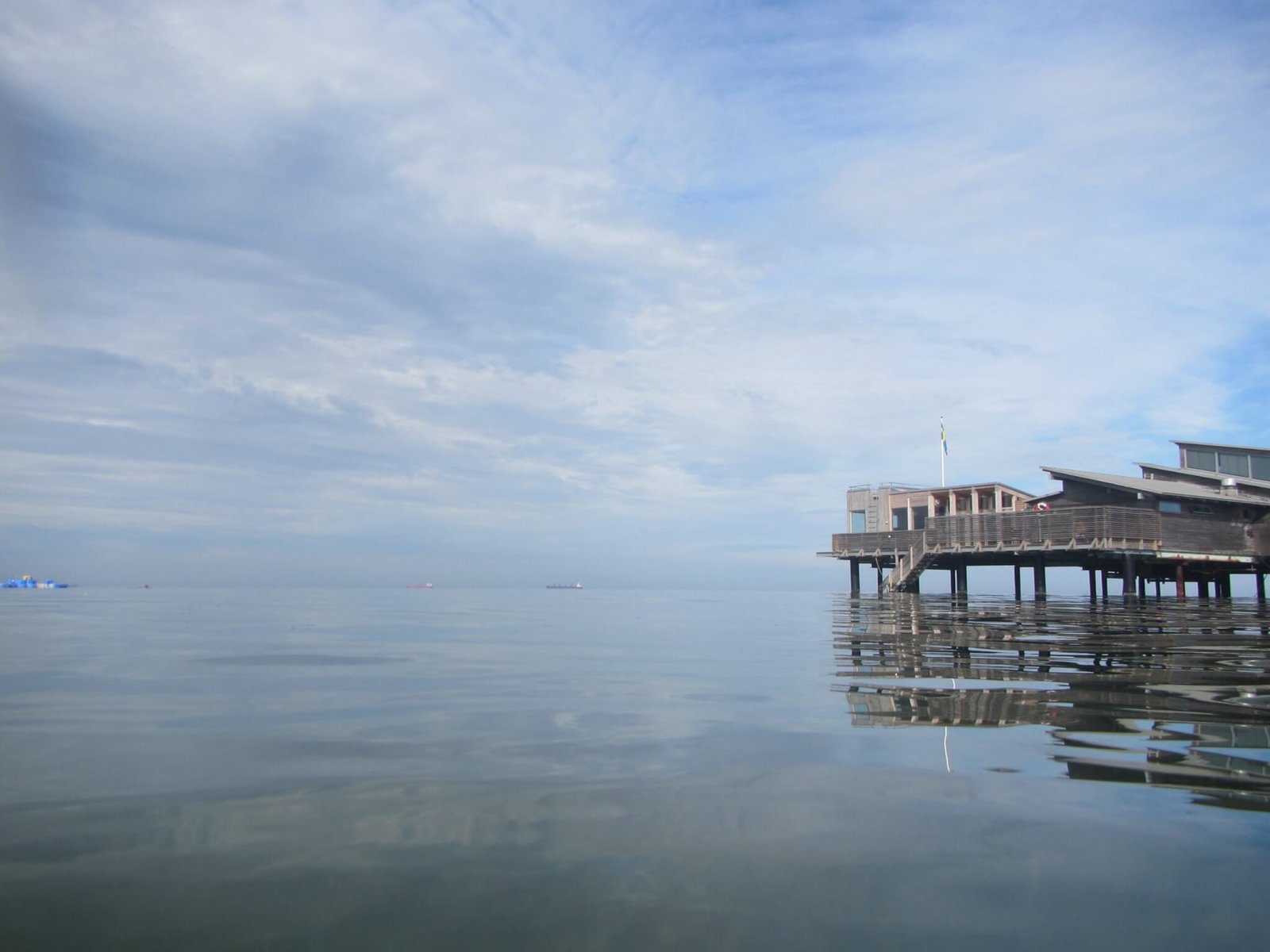
So calm!
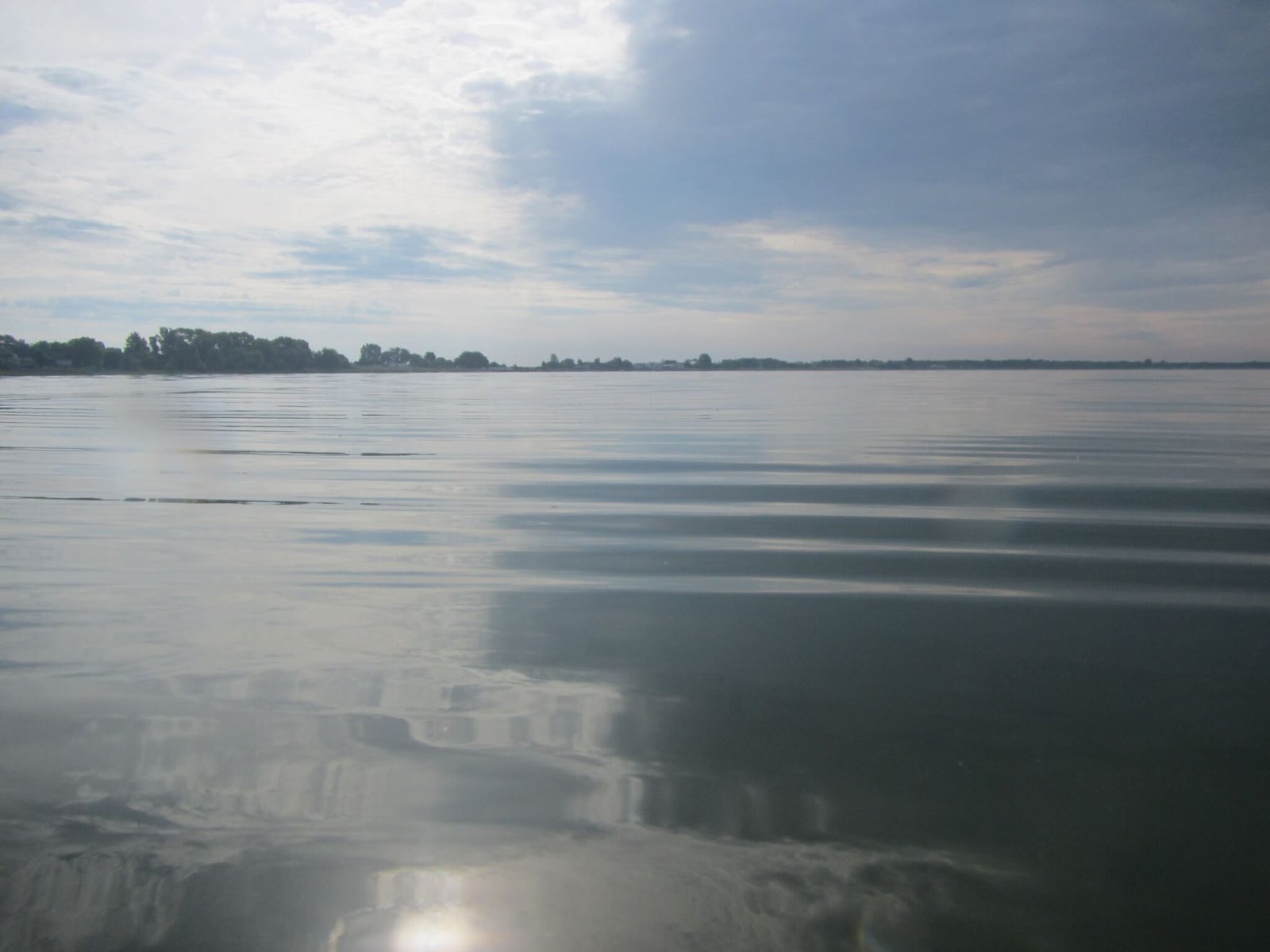
And such nice water!
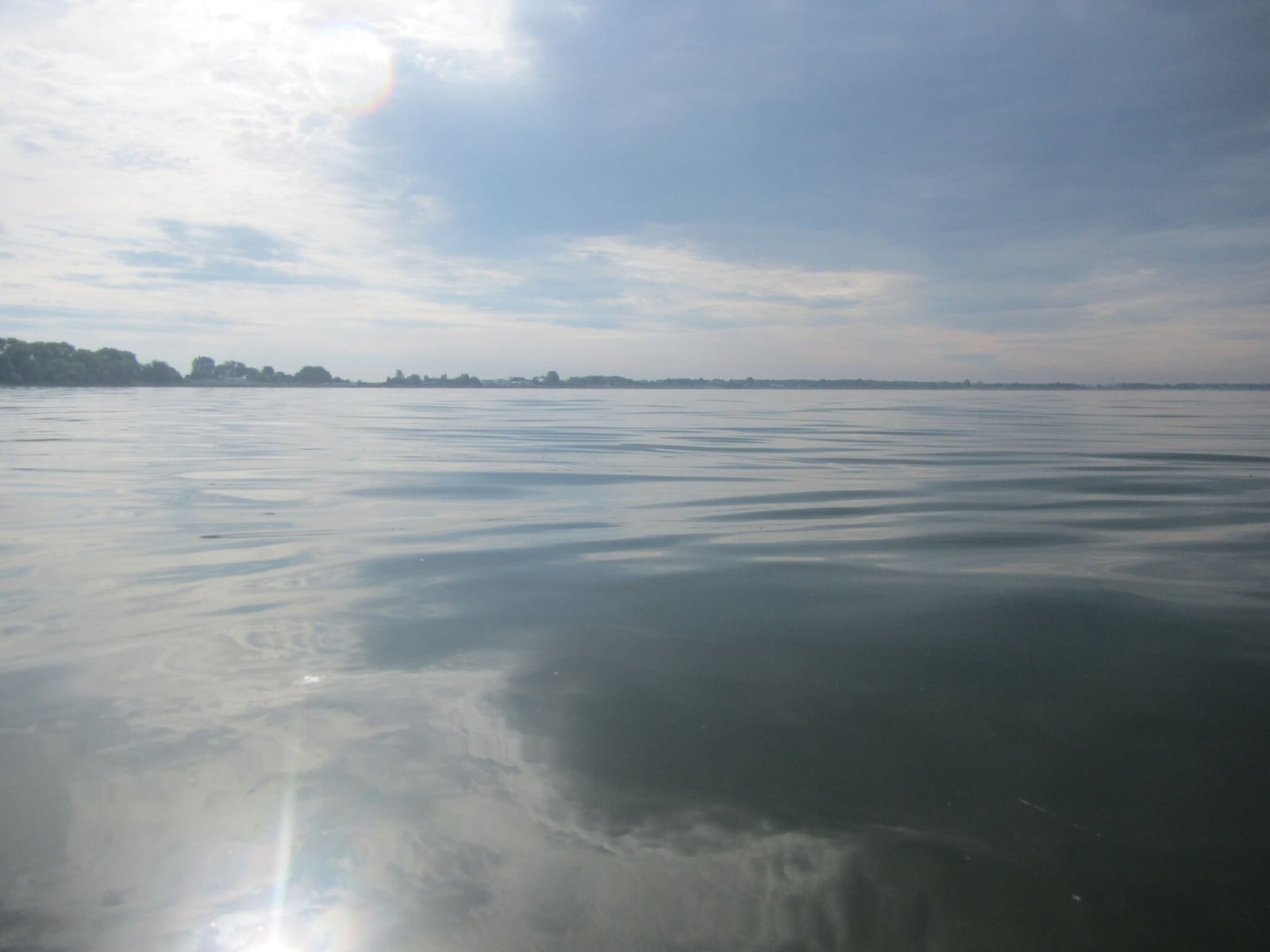
See the wave group from when we went in?


