Currently reading Canal et al. (2026) “Designing sensory-inclusive study spaces: comparing environmental preferences and barriers for neurodivergent and neurotypical university students”
For me, the space I am in is hugely important for how well I can think. In the office, I have the desk in the corner between windows, because sitting in a cubicle facing a wall makes me depressed (and interestingly, nobody else wanted my spot, since you are not supposed to have your screen in front of a window, and it gets hot when the sun is on it and draughty when it’s windy. But how else do people rest their eyes and give their thoughts space?). Anyway, I work really well on ferry trips where I can look out the window and watch the ever-changing sea, but also in gardens or parks, or, right now, in the shade (and airflow!) outside the main entrance of the building I am working in today.
I might be picky, or maybe not? Canal et al. (2026) investigate 159, mostly undergrad, students’ responses (31% of those reporting neurodivergence) to an online survey about preferences and barriers to learning due to environmental factors.
Overall, the environmental factors that students report as impairing focus or concentration the most are noise (especially people talking, and for neurodivergent students also air conditioning or ventilation noises, and background music, causing anxiety, stress, and irritation; and overall almost 70% of students agreed they would prefer quiter study environments), light (with a preference for natural daylight from windows, and adjustable dim light. Very bright light can cause sensory overload), and temperature (almost 75% of students report usually feeling uncomfortable because too hot or too cold!). Interestingly, for neurodivergent students, the second worst factor are open spaces. 67% of neurodivergent students report avoiding some study spaces due to “sensory discomfort”, especially regarding noise and light.
Importantly, there are no pattern of certain environments working better for neurodivergent students vs neurotypical students. So creating quite study spaces where light and temperature are adjustable is probably good for everyone, and about 90% of students agreed that the university should focus their efforts on designated and enforced quiet study spaces which are clearly separated from social spaces (although not segregated).
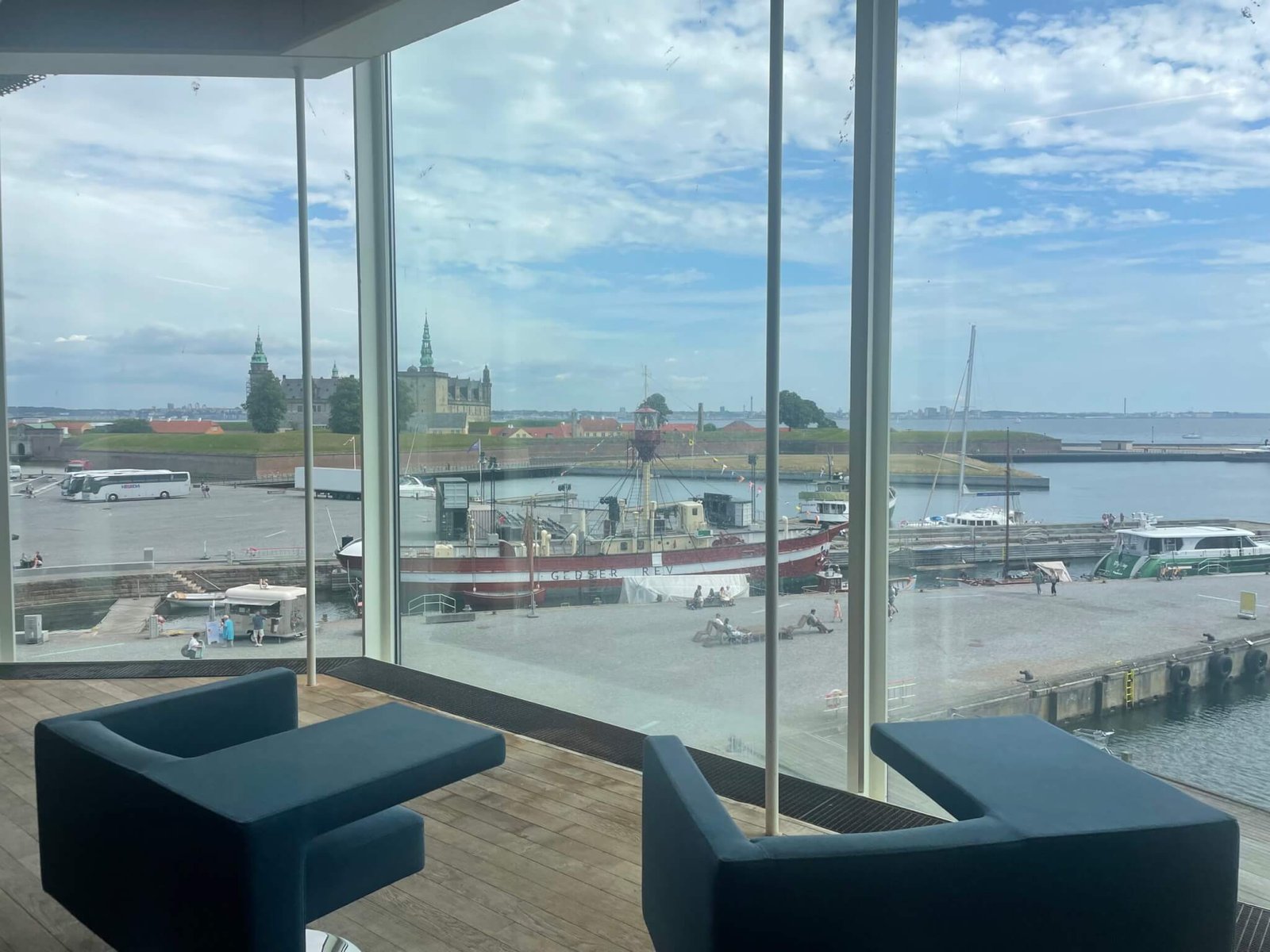
The featured image is interesting: It looks like it would be my PERFECT work spot: Great view, comfy chairs with that little integrated desk space to put your laptop, sufficient distance between seats, and it was super quiet (as in seriously dead quiet, although there were quite some people around). But it was unfortunately way too hot! Temperature is usually not an issue I have, but reading this article today, I understand the sentiment a lot better than I probably would have before I was in that seemingly perfect space just yesterday…
Anyway, the recommendation from the study are not surprising (but worth noting): Universities should offer diverse study space types for quiet and group work, make sure they are all noise-managed and with adjustable lighting, temperature, and furniture, involve students in designing the spaces, and monitor and evaluate how it is working out in practice. And I think we would get such a long way by just realizing that we are not just brains operating no matter where they are, but that our bodies, and the environment they are in, have a huge influence on our thinking…
Canal, M. M., Yeserdir, N. Y., Hynds, E., and Pocock, T. (2026). Designing sensory-inclusive study spaces: comparing environmental preferences and barriers for neurodivergent and neurotypical university students. Front. Educ. 11:1813799. doi: 10.3389/feduc.2026.1813799


