Currently reading Wals (2022): “Transgressive learning, resistance pedagogy and disruptive capacity building as levers for sustainability”
Wals (2022) argues that the classical key competencies for sustainability are not sufficient, that we also need to learn to disrupt, and then learn from the resistance against that. Interesting!!
Wals (2022) describes the current systemic dysfunction, partly willingly, partly unknowingly taught in the “hidden curriculum of unsustainability”, based on the ideas that everything, including nature and public goods, can be sold and bought, that reducing complexity by introducing boundaries, disciplines, etc is good, that efficiency and accountability are desirable and should be managed, that we live in a meritocracy and innovation and excellence should be celebrated and the fittest survive (so accepting inequalities), and that there can be continuous personal and economic growth. (OMG, maybe I was in Germany for too long if this is how long my sentences now are!) Wals (2022) argues that “all education is sustainability education”, meaning that all education has an effect on how sustainable (or, most of the time unsustainable) we are and become.
“Sustainability-oriented learning can be described as an organic and relational process of continuous framing, reframing, tuning and fine-tuning, disruption and accommodation, and action and reflection, which is guided by a moral compass inspired by an ethic of care”, and that also includes testing boundaries, resisting, and grappling with this: “The quest for a more sustainable world begs two questions: what is it that we need to sustain, in ourselves and in the world, and what is it that we need to disrupt, in ourselves and in the world?” For example, the framing of the rapidly changing world that we need to keep up with to not be left behind is very common (especially right now with all the discussions around AI in education!), but we need to not actually accept it. The future is not predetermined, so why are we passively trying to keep up rather than actually working to shape the future?
To try to break free, Wals (2022) suggests “Resistance pedagogy [which] allows people (e.g. teachers and students) to address injustices and forms of marginalisation and exploitation that they themselves identify, by finding forms and spaces that can oppose the authorities and normalised established systems that are responsible for their existence”. He cites bell hooks with “I celebrate teaching that enables transgressions – a movement against and beyond boundaries. It is that movement which makes education a practice of freedom”
But part of this process of resisting and breaking free will necessarily feel uncomfortable, and we need to learn (and teach) how to deal with that.
Wals (2022) describes three elements of resistive inquiry after Kuntz: Mapping what is, resisting it, and not prescribing our chosen course to others. To be able to do that in teaching, we need to be
- Relevant, as in connected with what matters to students and the community
- Responsive to change
- Responsible in reacting to what values are amplified or silenced
- Re-imaginative of alternative futures
- Relational in the sense of being connected to humans and the world
- Reflexive and learning in community
- Resisting
How do we teach transgression? Wals (2022) suggests an activity; “trans-sectional walks“, which are a type of photo-voice activity. Small, diverse students group walk to different goals ca 20 mins away, primed to look for examples of unsustainability on the way there (or alternatively, for example empathy and lack thereof!), and sustainability on the way back. They take pictures and send to teacher, and the whole class discusses when everybody is back. But of course this only scratches the surface…
There is a lot of transgressive learning happening for example in FFF, Extinction Rebellion, and other such initiatives. But how do we bring it into the classroom (and then also deal with it as the teacher against whom students might well resist?)? Some ideas are given in the paper by Lasselin et al. (2025) — participants from the Teaching for Sustainability course we gave last fall! But still plenty more to figure out there!
Lasselin, C., Haldar, S., and Iao-Jörgensen, J. (2025). Transgressive learning in sustainability pedagogy: promises, risks, and responsible integration. In: Proceedings of LTH:s 13:e Pedagogiska Inspirationskonferens, 4 december 2025. https://www.lth.se/fileadmin/cee/genombrottet/konferens2025/D4a_Lasselin_etal.pdf
Wals, A. E. (2022). Transgressive learning, resistance pedagogy and disruptive capacity building as levers for sustainability. New Visions for Higher Education Towards 2030 – Part 2: Transitions: Key Topics, Key Voices.
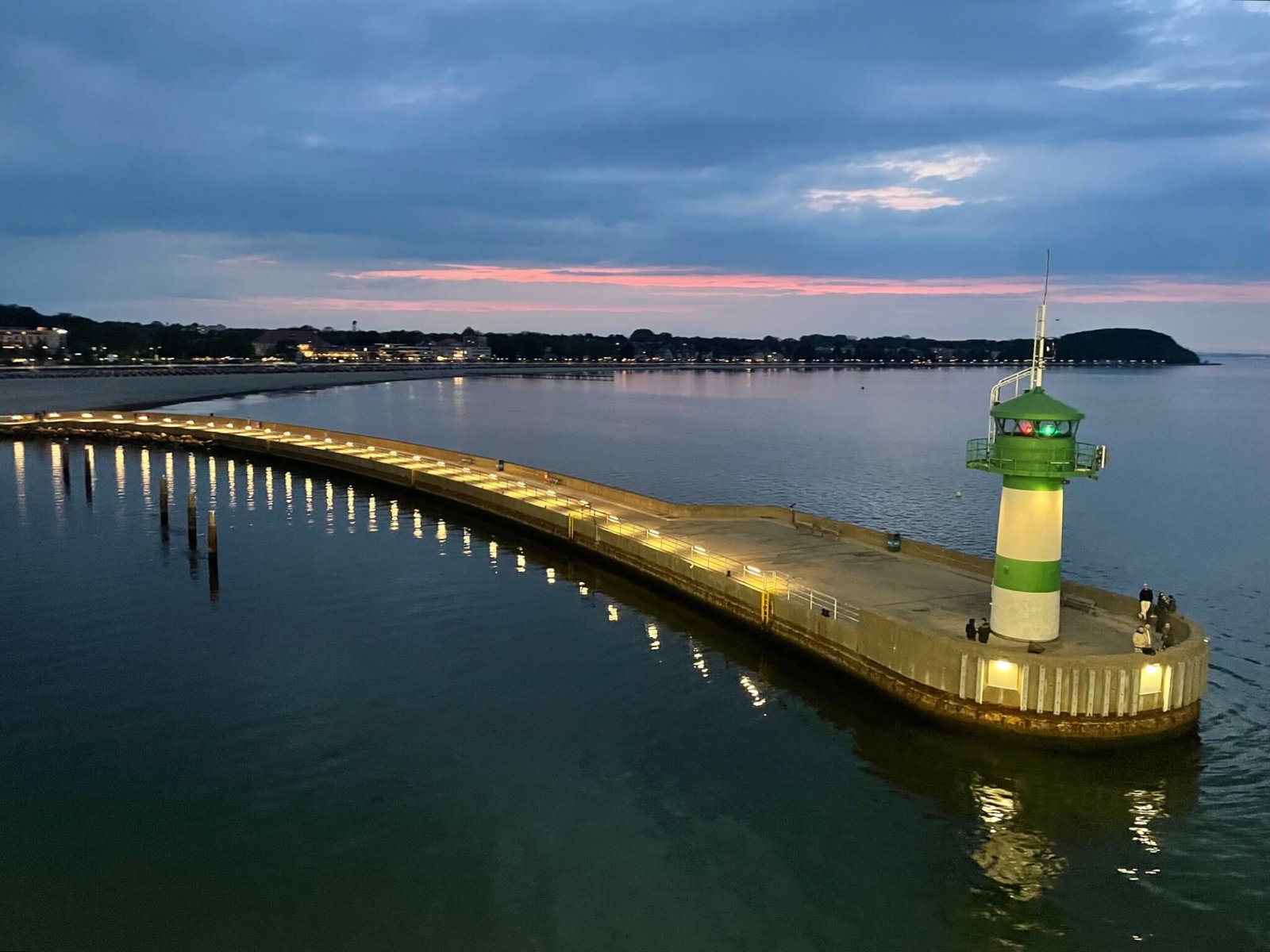
…and here we are leaving Travemünde again at the end of my previous trip…

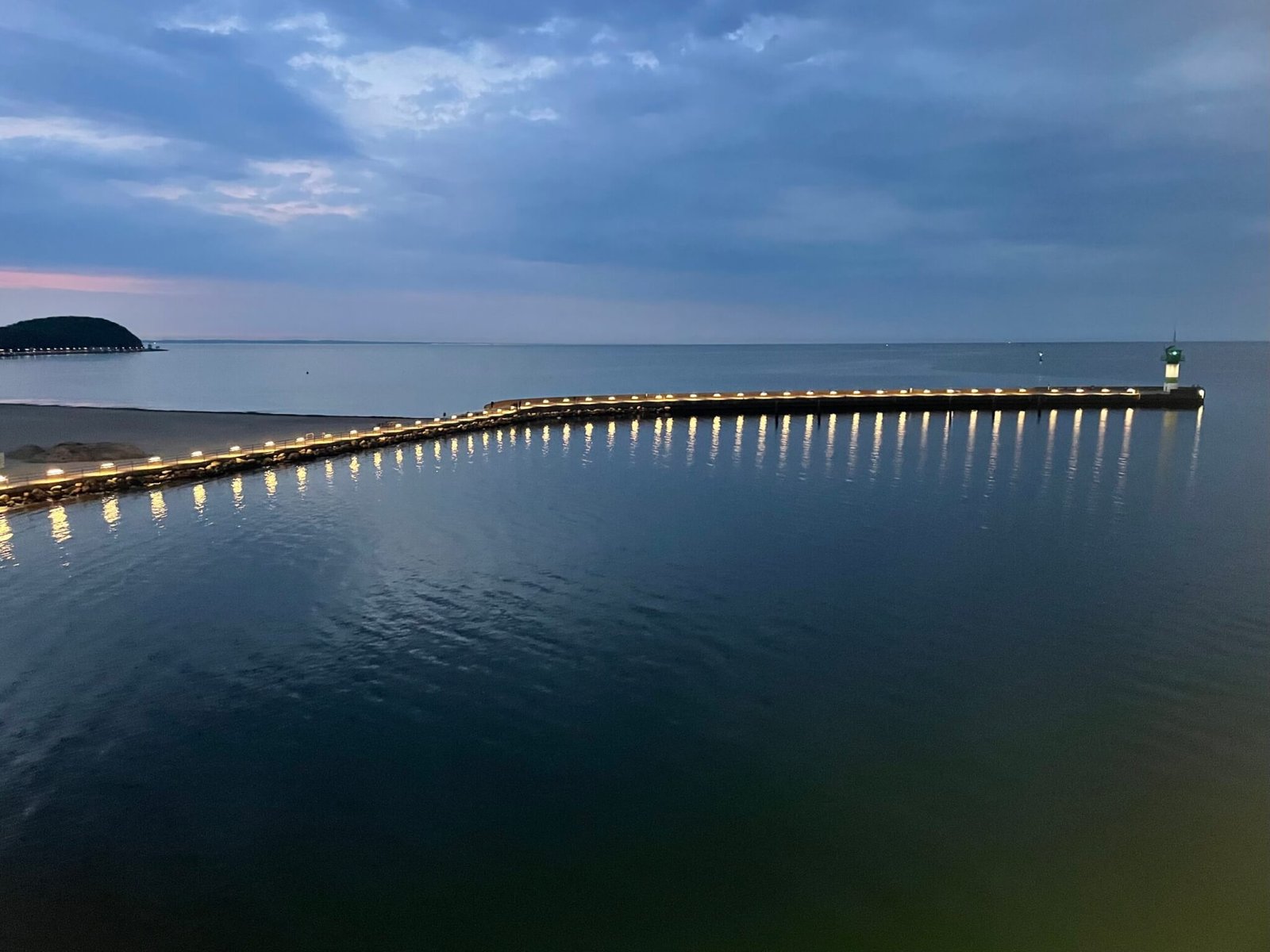
Can you spot the little lighthouse already?

And here we are!


ESG Investing says:
There is definately a lot to find out about this subject. I like all the points you made